
EU extends temporary protection for Ukrainians until March 2028
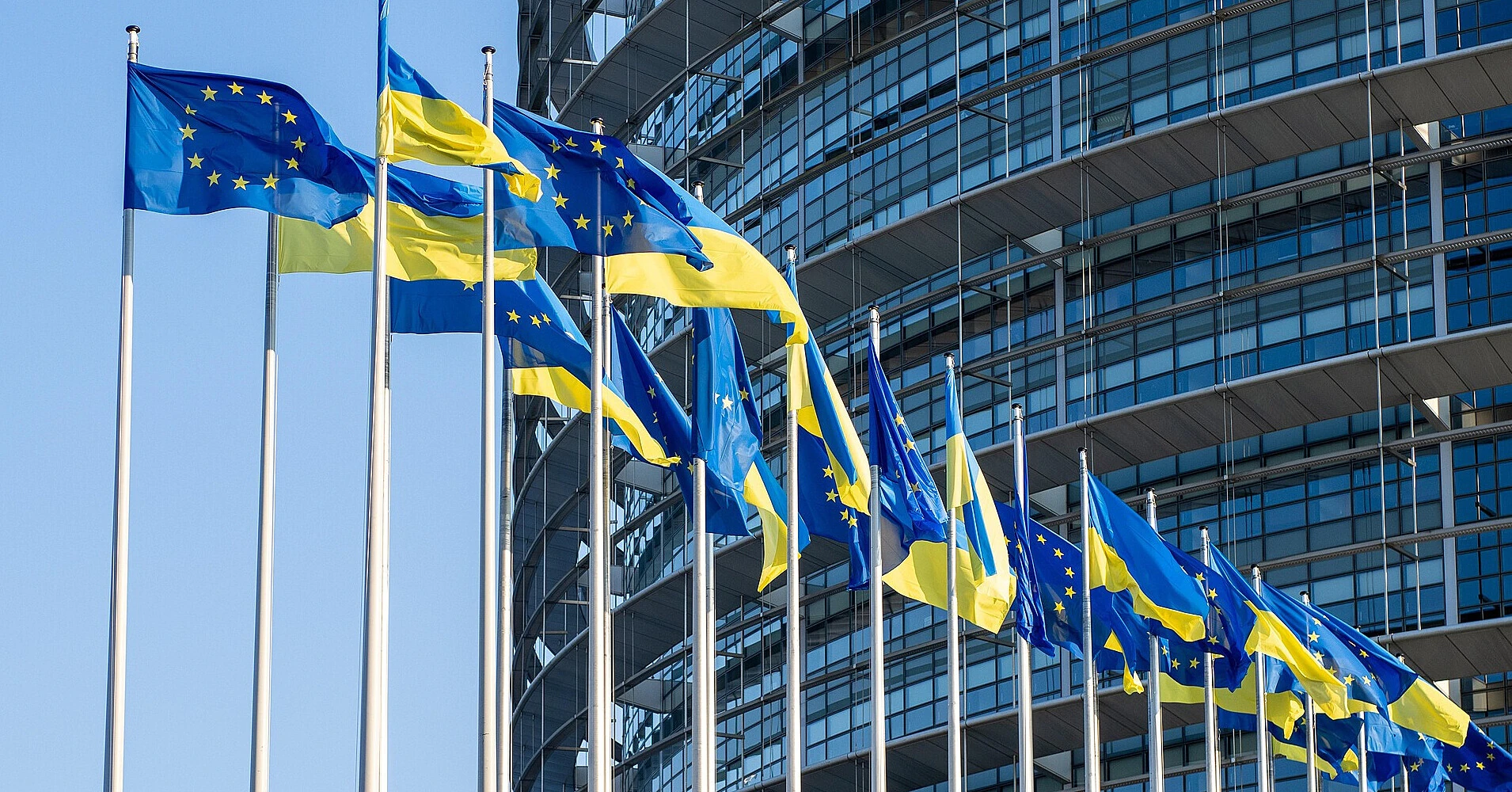
The European Union has finally approved the extension of temporary protection for Ukrainians for another year — until 4 March 2028. A European diplomat informed journalists in Brussels on Thursday, 30 July.
The decision concerns Ukrainians who were forced to leave the country because of Russia's full-scale war. Previously, the temporary protection mechanism was limited to 4 March 2027.
The status provides Ukrainians with the right to reside in EU countries, access to the labour market, healthcare, education for children, housing, and social support in accordance with the national rules of the EU Member States.
At the same time, the EU is introducing an additional condition for new applicants. Temporary protection will not be granted to people who do not fulfil the military obligations provided for by Ukrainian law and therefore do not have permission from the Ukrainian authorities to leave the country.
The restriction does not apply to Ukrainians who already enjoy temporary protection in the European Union. For new applicants, proof of lawful departure can be a stamp in the passport, a document on exemption from military duty, or other official confirmation in paper or electronic form.
According to the Council of the EU, as of the end of May 2026, about 4.38 million people who left Ukraine were under temporary protection in EU countries.
The decision will enter into force after publication in the Official Journal of the European Union. The extended period of protection will run from 5 March 2027 to 4 March 2028.
The European Union is also preparing a gradual transition from temporary protection to other legal grounds for residence. Ukrainians may be offered long-term statuses related to work, study, or family reunification, if they meet the established requirements.
Based on materials from: Council of the European Union, EUR-Lex
