
The United States refused to return Turkey to the F-35 fighter jet program
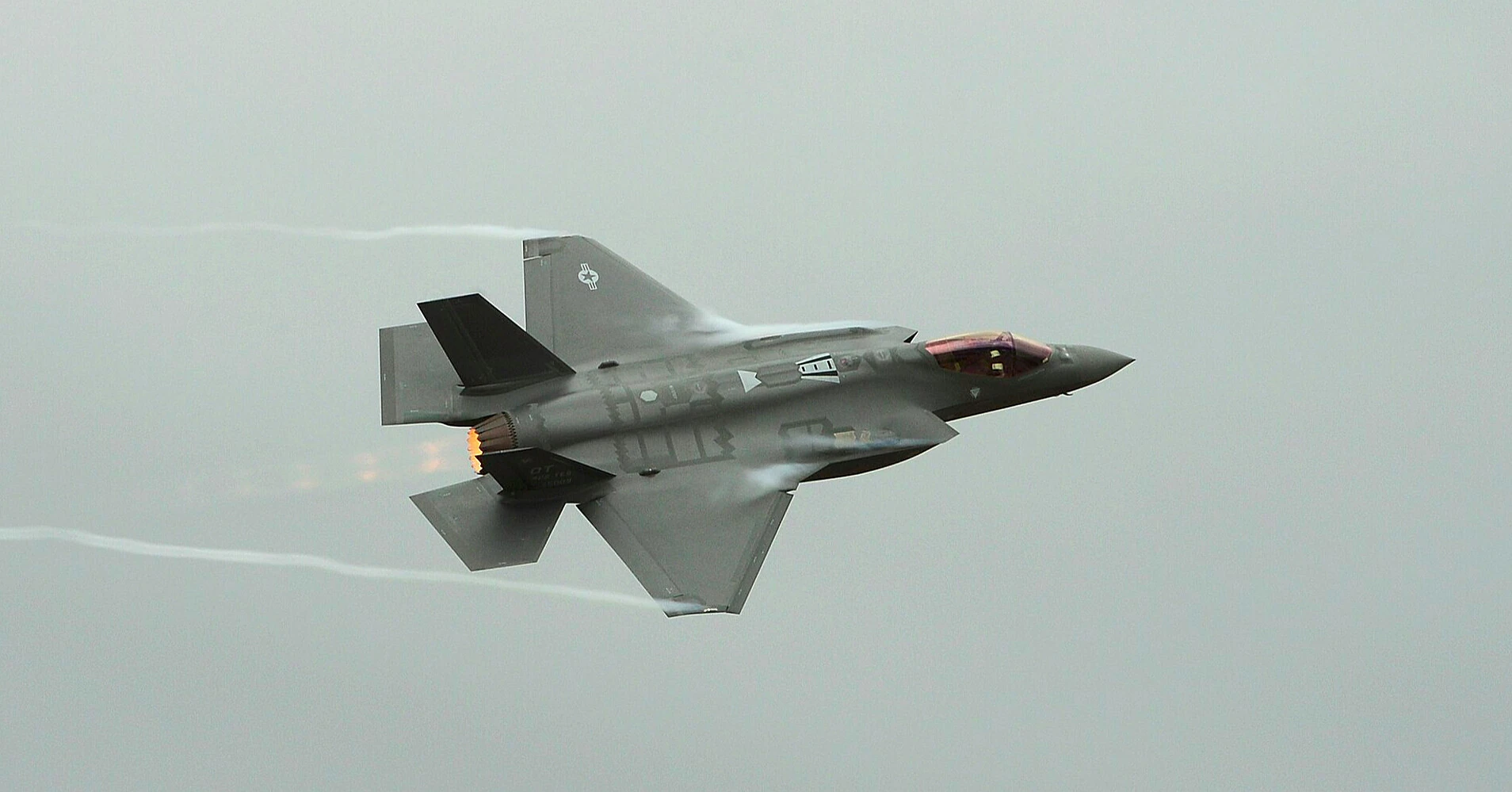
Turkey has not yet met the legal conditions required to return to the American fifth-generation F-35 fighter jet program. The U.S. State Department informed Congress of this in a letter dated July 22.
The document was prepared by the State Department on behalf of the White House in response to a request from Democratic Congressman Wesley Bell. It emphasizes that current legislation prohibits the transfer of F-35 jets to Turkey as long as Ankara retains the Russian S-400 air defense systems.
The U.S. State Department stated that Washington's position remains unchanged. Turkey must satisfy the requirements of the CAATSA law, which provides for sanctions for major transactions with the Russian defense sector, as well as Section 1245 of the U.S. National Defense Authorization Act for Fiscal Year 2020.
This section prohibits the Pentagon from transferring F-35 jets to Turkey until the U.S. President certifies to Congress that Ankara no longer possesses the S-400 systems and related equipment. The Turkish side must also guarantee that it will not acquire the Russian system again.
Thus, statements by U.S. President Donald Trump about being ready to consider the sale of the jets do not yet override the restrictions imposed by Congress. For deliveries to resume, not only a political decision by the White House is required, but also the removal of legal obstacles.
During a meeting with Turkish President Recep Tayyip Erdogan at the NATO summit on July 7, Trump said he planned to lift the defense sanctions imposed on Ankara and make a decision on the possible sale of F-35s. He also emphasized Turkey's strategic role in the North Atlantic Alliance.
Turkey had participated in the F-35 development program and planned to acquire about 100 aircraft. However, in 2019, the United States excluded it from the project after its purchase of the Russian S-400 systems. Washington feared that joint operation of the Russian system and the American fighter could allow information on F-35 stealth technologies to be obtained.
In December 2020, the United States also imposed sanctions on Turkey's Defense Industries Directorate. Ankara called the exclusion from the program unjust and demanded either the delivery of the paid-for aircraft or the return of the invested funds.
According to the Congressional Research Service, six F-35 fighter jets originally destined for Turkey remain in storage in the United States. About $1.7 billion, previously paid by Ankara as part of the program, also remains with the American side.
American and Turkish representatives continue to discuss possible ways to resolve the S-400 dispute. However, the State Department letter confirms that a decision to lift sanctions alone will not be enough: Turkey must fully comply with the conditions stipulated by law.
Based on materials from: Kathimerini, Congressional Research Service
