
FT: Russia has attacked over 200 Ukrainian gas stations since the start of summer
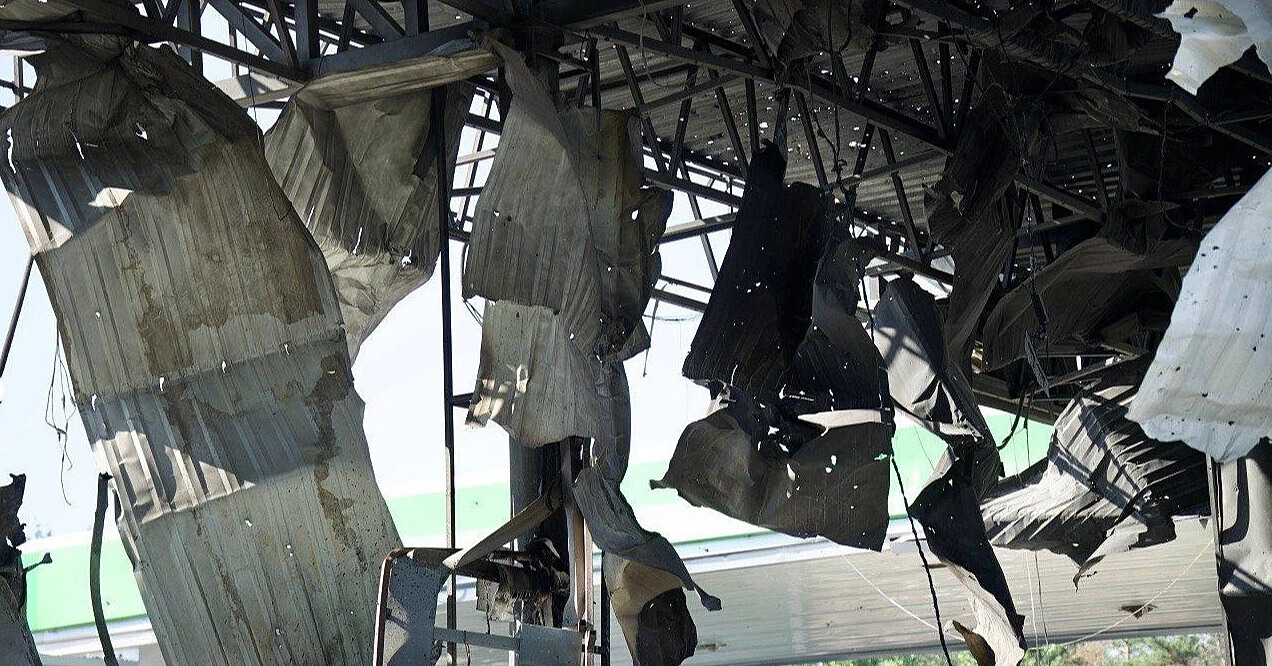
This summer, Russian forces sharply intensified attacks on gas stations in Ukraine. The strikes complicate access to fuel, disrupt logistics, and force businesses to change their operating hours in frontline regions.
In total, Russian attacks have destroyed over 200 Ukrainian gas stations, reported Kharkiv Regional Council deputy Oleksandr Skoryk. However, he did not specify over what period this statistic was collected. At least 80 destroyed stations are located in Kharkiv Oblast.
The Kharkiv, Sumy, Poltava, Donetsk, Dnipropetrovsk, and Zaporizhzhia regions are under the greatest pressure. In Zaporizhzhia alone, recent Russian strikes have destroyed over 30 gas stations, stated the head of the regional military administration, Ivan Fedorov.
For attacks, Russia uses attack drones of the "Geran" type, other loitering munitions, FPV drones, and guided aerial bombs. The Russian unit "Rubikon" published a video of nine daytime strikes on gas stations in the Kharkiv and Sumy regions. In some footage, cars and people were near the objects.
Of particular concern are attacks on gas stations along the E40 highway between Kharkiv and Kyiv. This is one of two main transport corridors connecting the capital with frontline areas. Drivers are urged to fill up their vehicles in advance before traveling on affected sections.
In Poltava Oblast, Russian forces attacked four gas stations on the road to Kharkiv within a few hours. The regional administration assures that there is no fuel shortage, but acknowledges the complications in goods supply and work of local businesses.
Due to the danger, some gas stations close during air raid alerts or refuse to operate at night. Facilities near the front are protected with concrete blocks and anti-drone nets, and customers are asked to plan refueling in advance.
The strikes are already complicating the delivery of goods. Against the backdrop of rising oil and fuel prices globally, additional logistical costs may subsequently affect prices in stores, supermarkets, and the service sector.
Ukrainian officials believe that Russia is trying to increase pressure on the population of regions where its troops cannot make significant advances. The attacks may also be Moscow's response to Ukrainian strikes on Russian oil refineries and other fuel infrastructure facilities.
Based on materials from: Financial Times
