
Up to 50,000 migrants may have entered Spain, EU countries tighten controls (Updated)
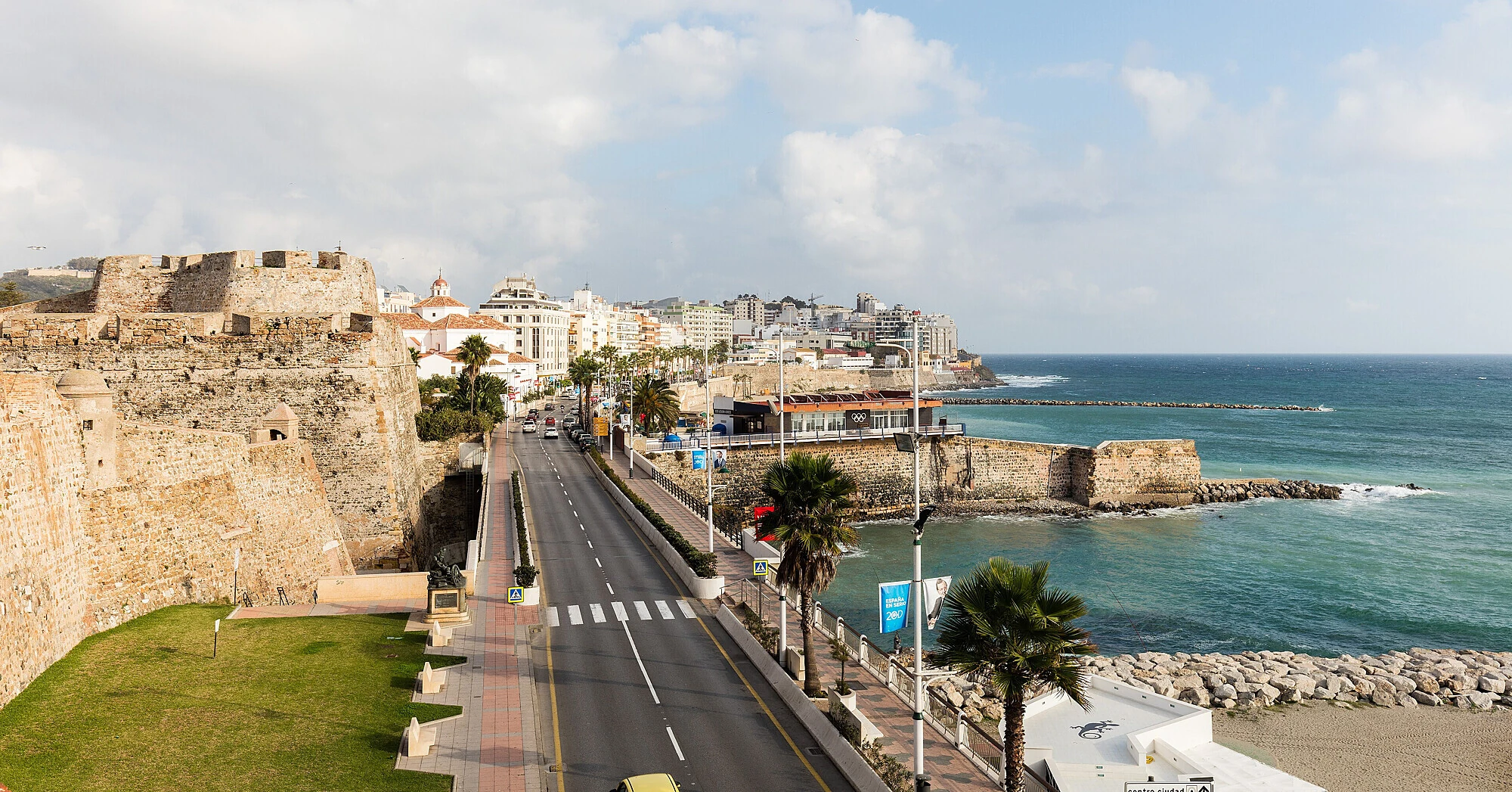
The death toll from the mass border crossing between Morocco and the Spanish enclave of Ceuta has risen to 27. According to initial estimates by law enforcement, more than 40,000 migrants may have entered the Spanish enclave in the past 24 hours.
Some sources estimate the number of people who crossed the border at nearly 50,000. Most of them entered Ceuta on Thursday, July 30, bypassing border structures by sea or climbing over fences.
The population of Ceuta is about 83,600, so the mass arrival of migrants essentially increased the number of people in the city by almost half. Thousands of arrivals spent the night in parks, on sidewalks, and other open areas.
Death toll continues to rise
As of midday on July 31, Spanish law enforcement had recovered the bodies of 27 people. The vast majority died trying to swim around a border breakwater near El Tarajal beach.
The search operation is ongoing. The Civil Guard has dispatched two dive teams from the GEAS unit to Ceuta to search the sea near the border. The final death toll could therefore rise.
Officially, Spain's Interior Ministry has not yet confirmed the total number of people who entered Ceuta. The office plans to publish its next statistical report on August 3.
Spain's prime minister and military arrive in Ceuta
Spanish Prime Minister Pedro Sánchez and Interior Minister Fernando Grande-Marlaska arrived in the Tarajal border area. They met with law enforcement representatives and local authorities.
To support the police and Civil Guard, Spain deployed the military. Around 30 army vehicles have been stationed near the border. Soldiers are helping guard the border area and conduct humanitarian operations.
The president of Ceuta's government, Juan Jesús Vivas, asked Madrid to declare the situation a matter of national security interest. He also called for an increased police and military presence.
At the same time, the Spanish authorities have not declared a state of emergency. The border crossing remains open for people crossing legally.
EU offered to involve Frontex
The European Commission offered Spain additional operational and financial assistance, including an increased presence of the European border agency Frontex.
Brussels is also in contact with Moroccan authorities, demanding urgent action to stop the dangerous mass crossings. The Commission stressed that protecting the EU's external borders is an important part of combating illegal migration.
The crisis has also spread to Melilla - another Spanish enclave in North Africa. According to local authorities, between 300 and 400 people crossed there from Morocco overnight into July 31.
European countries tighten controls
Italian Prime Minister Giorgia Meloni proposed considering a temporary suspension of the Schengen Agreement with Spain. This position was later supported by Finnish Interior Minister Mari Rantanen.
France has increased checks on its border with Spain and deployed a mobile border unit. Swedish Prime Minister Ulf Kristersson also called on the Spanish authorities to regain control of the situation as soon as possible.
The current migrant flow is the largest in Ceuta's history. During the previous major crisis in May 2021, around 10,000 people crossed the border in two days.
Sources: El País, Associated Press, El País
