
Poland summons Russian ambassador after rocket crash
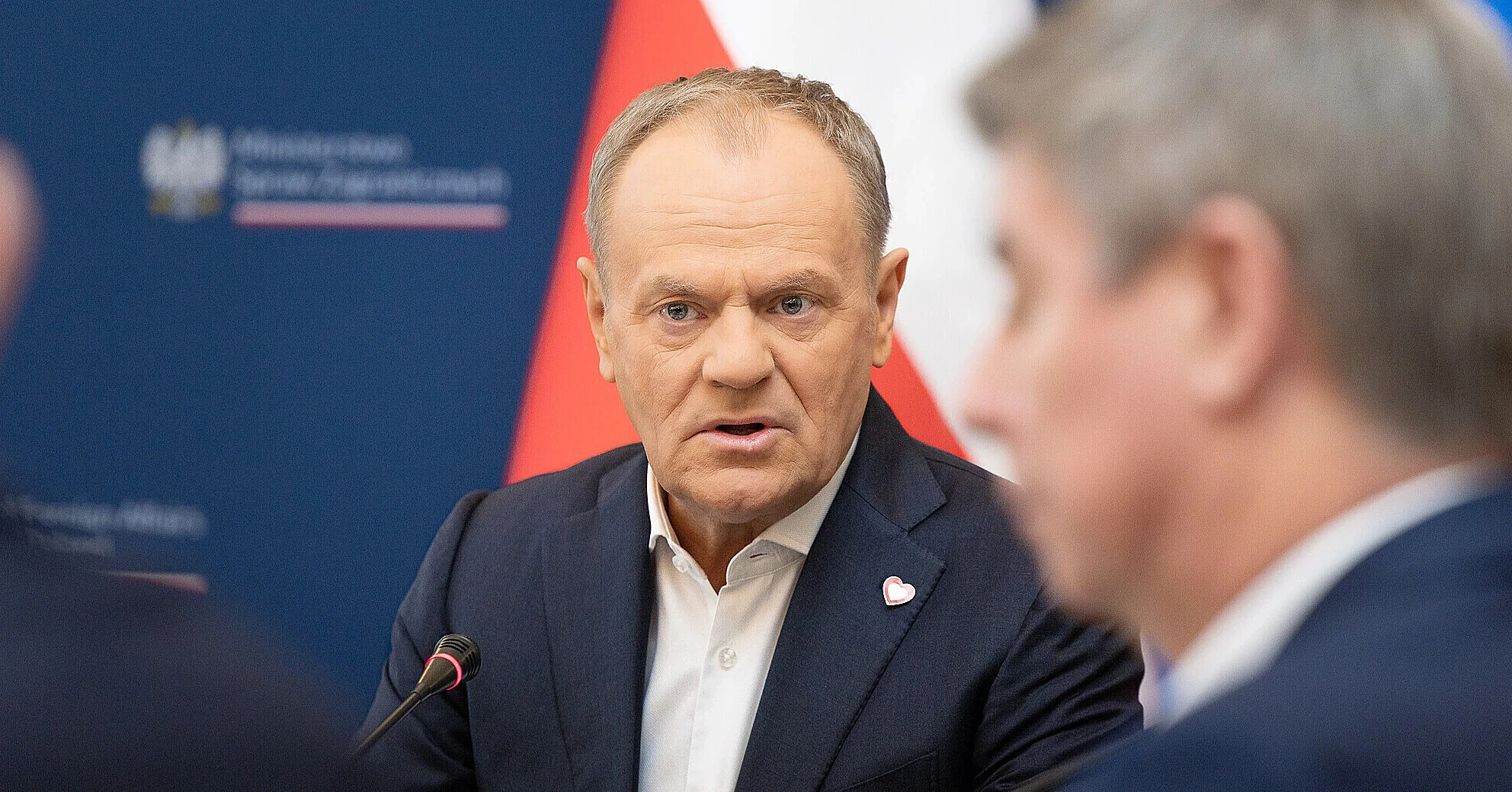
The Polish Ministry of Foreign Affairs summoned the Russian ambassador in connection with the crash of a presumably Russian missile in the Lublin Voivodeship. The incident occurred on July 30 during a massive Russian attack on Ukraine.
This was reported by Polish Prime Minister Donald Tusk on the social network X. Warsaw demanded explanations from the Russian side regarding the violation of the country's airspace.
The missile fell in a rural area near the settlement of Tarnawa-Kolonia, approximately 80 kilometers from the border with Ukraine. The explosion site formed a crater about 10 meters in diameter. No one was killed or injured in the incident, and no damage to residential buildings was recorded.
According to Tusk, an analysis of the recovered debris indicates that a Russian Kh-101 cruise missile may have fallen on Polish territory. Final conclusions are to be made by specialists investigating the circumstances of the incident.
The Polish prime minister stated that the authorities currently see no grounds to consider the country a deliberate target of the Russian attack. He nevertheless called the incident serious and emphasized that Polish armed forces were prepared to destroy the missile had it posed a direct threat to populated areas.
During the Russian strike, Polish and allied forces put air defense systems on high alert. Fighter jets were scrambled, and the military monitored objects approaching the Polish border. After the missile disappeared from radars, a helicopter was dispatched to the presumed crash site.
NATO confirmed the violation of Poland's airspace. Secretary General Mark Rutte called the incident another reckless act by Russia and a dangerous consequence of the war against Ukraine. The NATO command stated that it will take necessary measures to protect the territory of member states.
The missile crossed the Polish border during a large-scale Russian attack on Ukraine. Russian forces used more than 70 missiles and over 280 strike drones. Strikes were recorded in Kyiv, Lviv, Dnipropetrovsk, Poltava, and other regions. The attack resulted in civilian casualties, with dozens of people injured.
