
Europe could lose leadership in support for Ukraine after Macron's term ends - The Telegraph
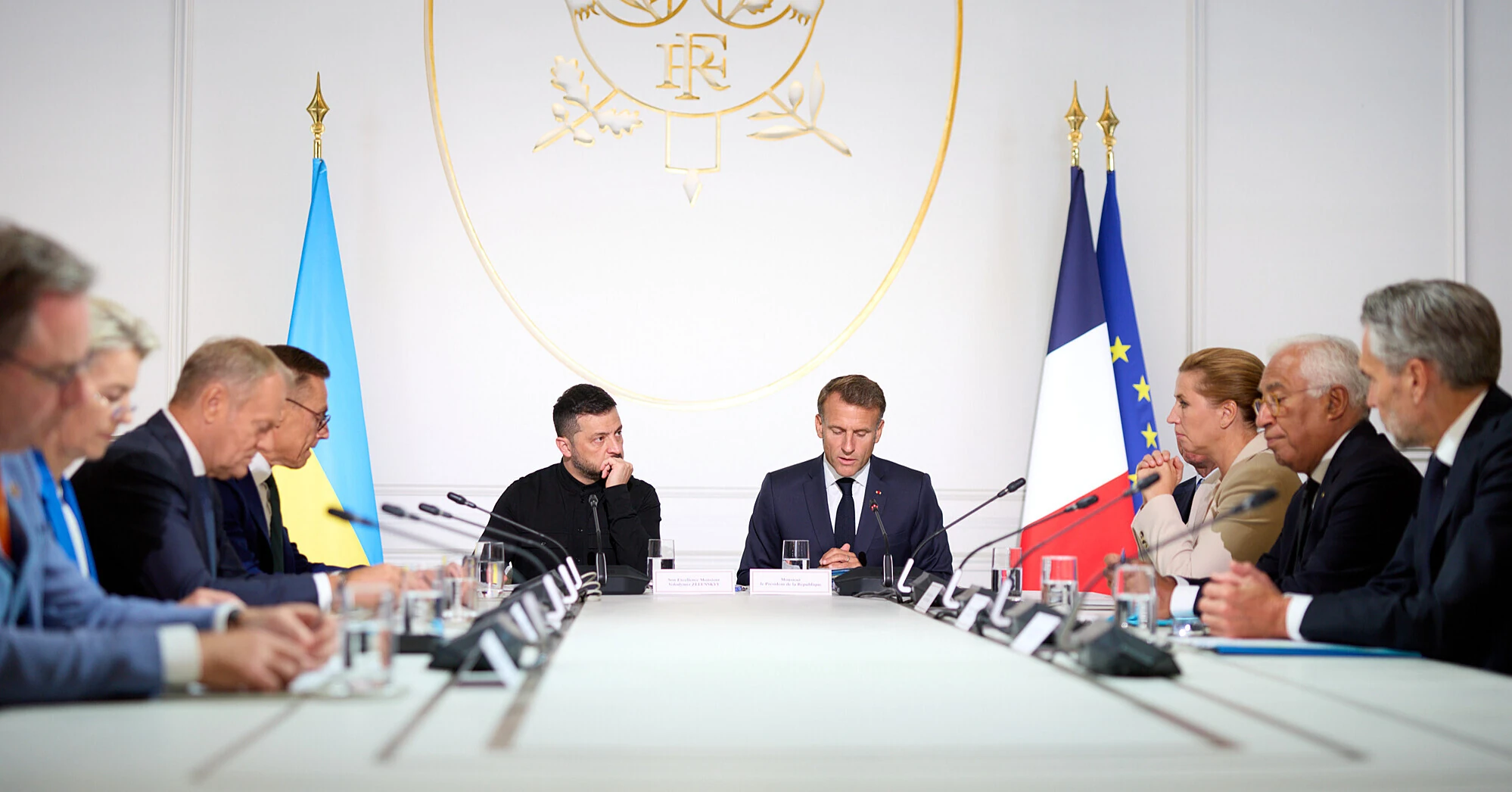
The "coalition of the willing," which coordinates support for Ukraine and prepares security guarantees after a possible ceasefire, may face a leadership crisis. The reasons include the resignation of British Prime Minister Keir Starmer and the upcoming end of Emmanuel Macron's presidential term, writes The Telegraph.
Starmer and Macron effectively led the coalition and sought to strengthen Europe's role amid the unpredictable policy of US President Donald Trump. At the July summit in Paris, 37 countries were already represented. Participants confirmed the readiness of multinational forces to operate in Ukraine on land, in the air, and at sea following the establishment of a reliable ceasefire regime and at Kyiv's request.
Keir Starmer stepped down as Prime Minister of the United Kingdom on July 20. His successor was former Greater Manchester Mayor Andy Burnham, who has far less experience in foreign policy.
The new British premier assured allies that London would not change course on Ukraine. The first foreign leader Burnham received after taking office was President Volodymyr Zelenskyy. Their meeting took place on July 27 at the naval base in Portsmouth.
At the same time, the main concerns of Western diplomats are linked not to London but to Macron's upcoming departure. The presidential elections in France are scheduled for April 18 and May 2, 2027, and his second term ends on May 14. Macron cannot run for a third consecutive term.
According to The Telegraph, a victory in the French elections by politicians more favorable toward Russia or opposed to NATO's current role could significantly alter support for Ukraine. British officials are already analyzing the potential implications for the "coalition of the willing," London-Paris relations, and the sharing of secret intelligence.
A potential successor to Macron as a European leader of the coalition, the outlet cites, is German Chancellor Friedrich Merz. However, Berlin has not yet committed to deploying troops to Ukraine after a ceasefire. Divisions also persist within the German governing coalition regarding negotiations with Moscow and the future renewal of economic relations with Russia.
The coalition is also unlikely to be led by the prime ministers of Poland and Italy, Donald Tusk and Giorgia Meloni. Both countries support Ukraine, but their governments have not agreed to send troops for a future mission on Ukrainian territory.
The Telegraph warns that a weakening of the "coalition of the willing" could have long-term consequences. If European partners fail to deliver on their security guarantee promises, future Ukrainian governments may begin seeking alternative allies outside the traditional Western bloc.
Based on materials: The Telegraph
