
Spain will need months to return migrants from Ceuta
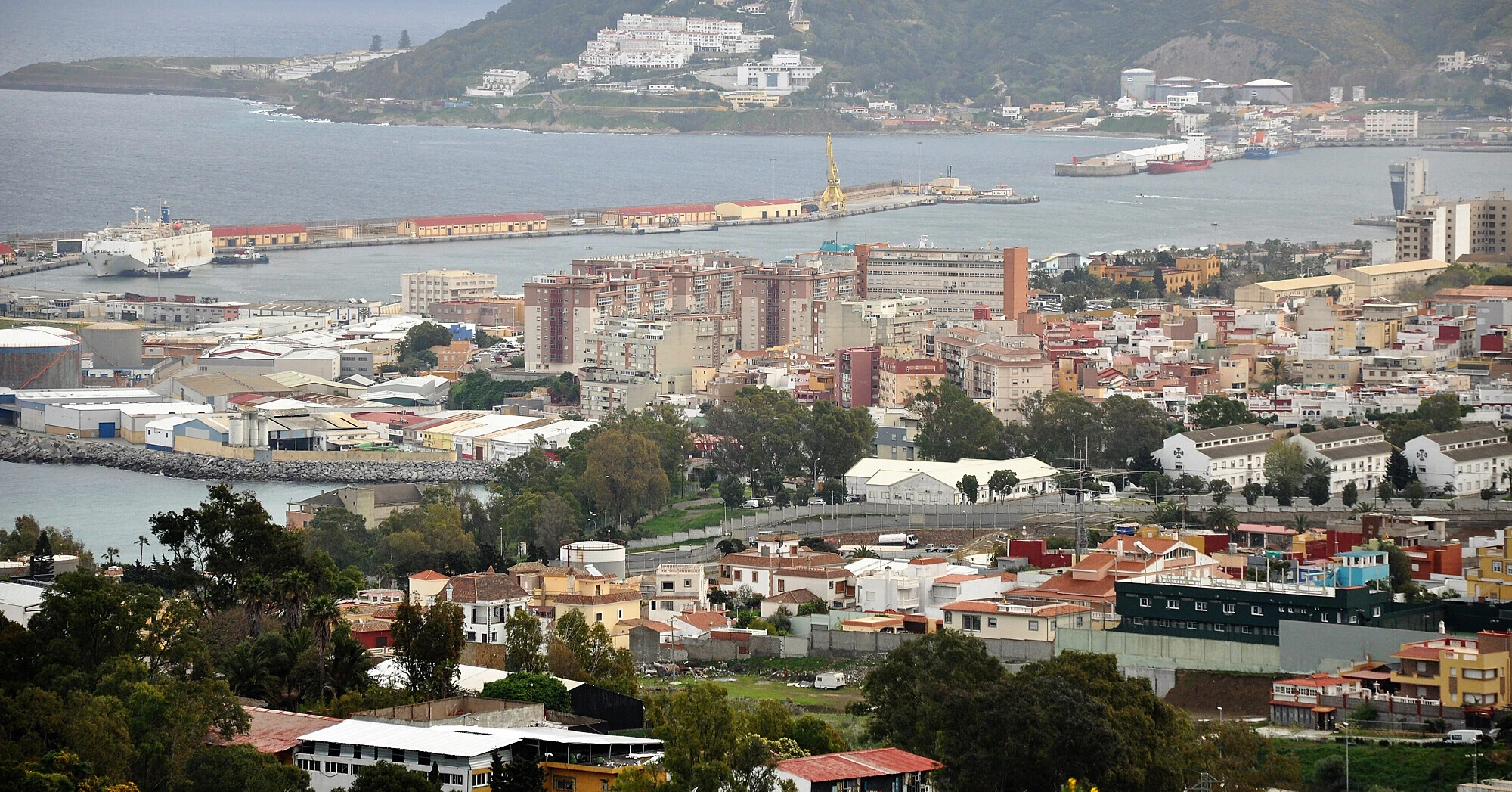
The majority of migrants who rushed from Moroccan territory into Spain's Ceuta have already voluntarily left the enclave. However, thousands of Moroccans are still on the city's streets, and their return procedure could take several months.
The Spanish authorities must identify each migrant, check their legal status, and issue an individual return decision. These procedures are complicated by the large number of people remaining in the city.
The situation has also changed after a Spanish Supreme Court ruling on migrants arriving in Ceuta by sea. The court declared the immediate return of such individuals without the procedure provided for by law to be unlawful.
Now, people intercepted at sea or after reaching the coast must be taken to police stations. Their cases, including possible applications for international protection, must then be individually reviewed by the authorities.
Mass and simultaneous returns of migrants are impossible due to the need to follow legal procedures. The speed of the process will also depend on identifying individuals and cooperating with Moroccan authorities.
At the end of July, between 50,000 and 60,000 people, mostly young men, entered Ceuta within a short timeframe. It was the largest simultaneous migration influx in Spanish history.
The vast majority of migrants later returned to Morocco. According to Spanish authorities, the border was brought back under control in less than two days. Meanwhile, bodies of people who drowned while attempting to reach Ceuta continue to be found in coastal waters. Various sources provide differing casualty figures, so the true scale of the tragedy has yet to be determined.
Due to the crisis, the EU also called an urgent meeting of interior ministers.
Based on materials from: The Objective
