
U.S. and Japan Jointly Supported the Yen — Exchange Rate Sharply Rises
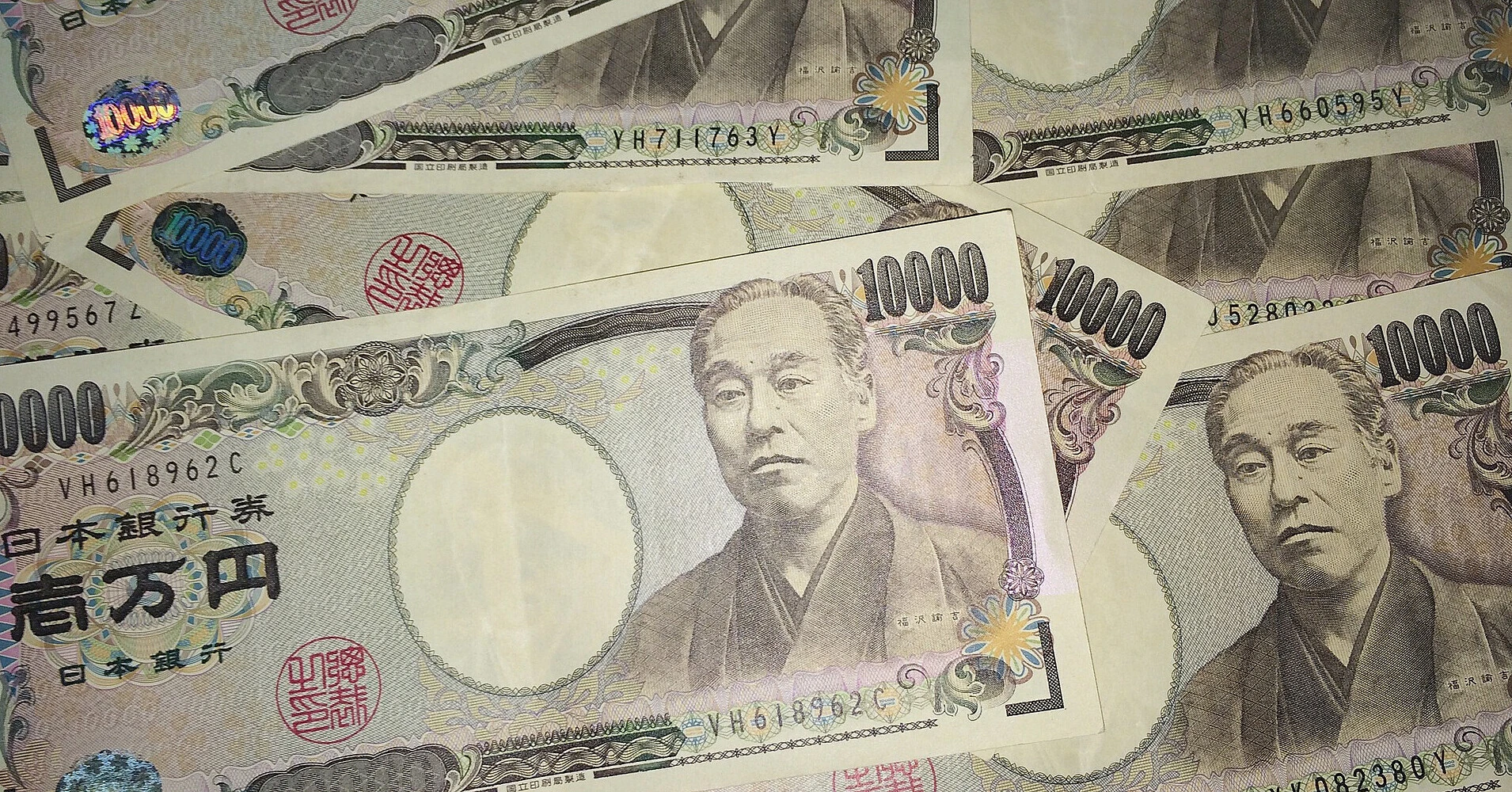
The U.S. and Japan conducted a coordinated currency intervention to support the yen, which had previously fallen to its lowest level in about 40 years. After the authorities' actions, the Japanese currency strengthened sharply.
Before the intervention, the dollar exchange rate exceeded 163 yen. After the U.S. and Japan entered the currency market, it fell to approximately 155.2 yen per dollar. Thus, the Japanese currency strengthened by about 5%.
The joint actions were confirmed by Japanese Finance Minister Satsuki Katayama and U.S. Treasury Secretary Scott Bessent. Representatives of both countries allowed for repeat interventions if sharp and disorderly fluctuations reappear in the market.
Japanese authorities were buying yen to stop its rapid decline. The U.S. side also participated in the operation through currency transactions, supporting demand for the Japanese currency.
The weak yen raises the cost of energy carriers, food and raw materials imported by Japan, increasing inflation. Pressure on the currency additionally rose amid high oil prices.
One of the main reasons for the multiyear weakening of the yen remains the interest rate differential between the U.S. and Japan. Investors borrow funds in the cheap Japanese currency and invest them in higher-yielding dollar assets.
Analysts warn that the intervention may provide only a temporary strengthening of the yen. For a sustainable change in the exchange rate, a rate hike by the Bank of Japan or a narrowing of the gap between Japanese and U.S. monetary policies may be required.
The sharp strengthening of the currency also put pressure on the Japanese stock market, as the expensive yen reduces the value of overseas earnings for major export-oriented companies.
Based on materials from: Associated Press, The Guardian
