
25 US states have sued over Trump's new tariffs
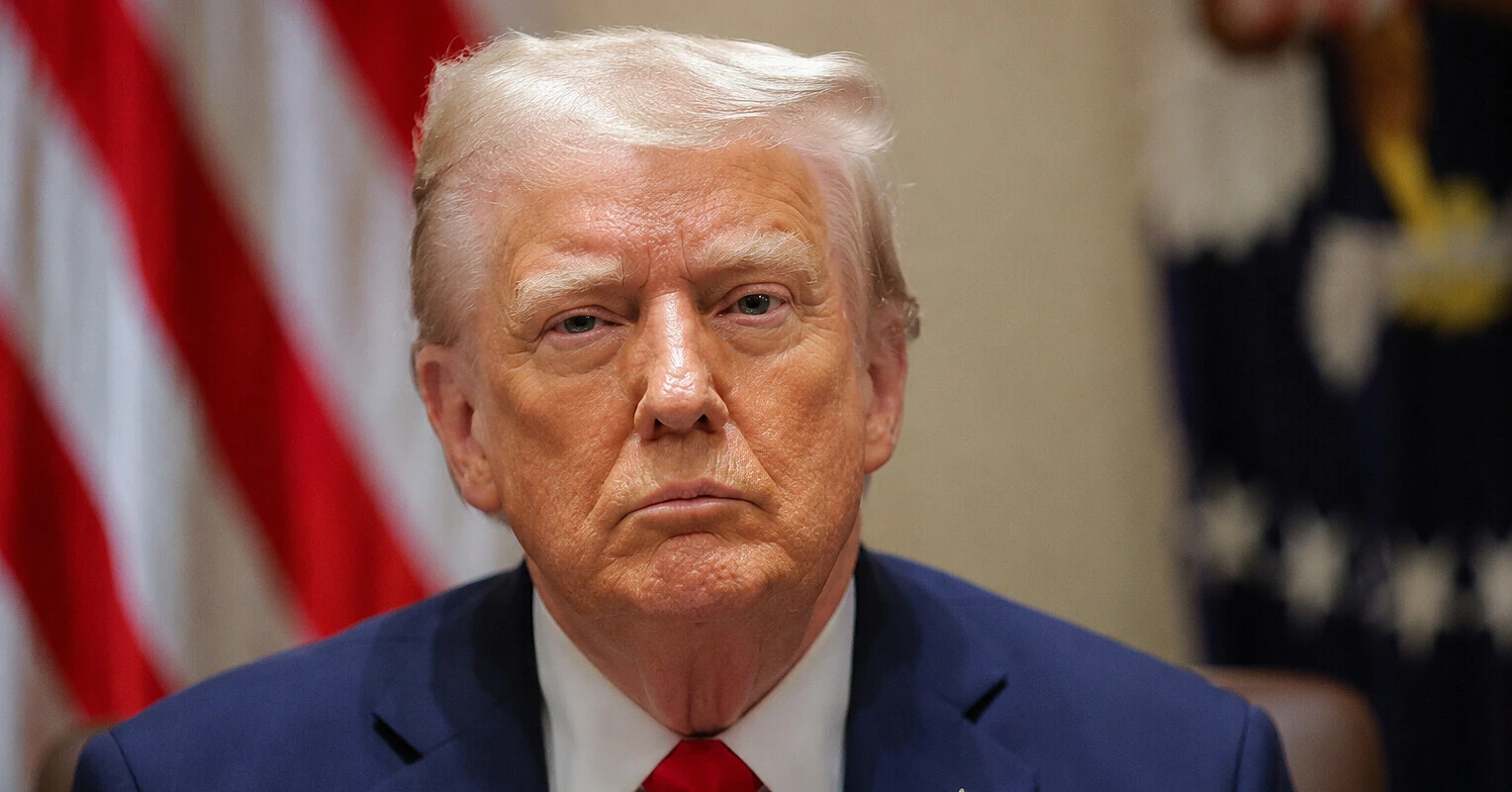
A coalition of 25 US states has filed a lawsuit against the administration of President Donald Trump, demanding the cancellation of new import duties on goods from 59 countries and the European Union.
The plaintiffs believe that the White House used the fight against forced labor as a pretext to reinstate large-scale import tariffs that had previously been ruled illegal by the courts.
The new duties were imposed under Section 301 of the Trade Act of 1974. A tariff of 10% was set for goods from 15 countries and the European Union, and 12.5% for products from 44 other countries.
Combined, these trading partners account for more than 99% of American imports. The Trump administration accused them of insufficiently combating the import of goods produced using forced labor.
The state attorneys general argue that the tariffs are not aimed at addressing specific violations. In their view, the administration is attempting to replace with these tariffs the duties that the US Supreme Court revoked in February 2026.
“After its defeat in the Supreme Court, the administration is again trying to illegally raise taxes on families and businesses through a new round of tariffs,” — said New York Attorney General Letitia James.
Why the states consider the tariffs illegal
Section 301 allows the US Trade Representative to take measures against specific foreign practices that restrict US trade. Prior to this, the agency must conduct an investigation, consult with the respective countries, and provide an opportunity for public comment.
The plaintiffs point out that the current investigation covered 59 countries and the European Union simultaneously and took about two and a half months. Typically, such procedures are conducted on a country-by-country basis and can last a year or more.
In the states' view, identical or similar tariffs for dozens of economies do not take into account the differences in their legislation and forced-labor-fighting practices. Thus, the new tariffs allegedly do not correspond to their stated purpose and exceed the administration's authority.
Previous Trump tariffs already revoked
In February, the US Supreme Court declared illegal the sweeping duties Trump imposed using the International Emergency Economic Powers Act. The court ruled that this law does not grant the president the authority to unilaterally set such import tariffs.
Following that, the White House imposed a universal 10% duty, citing another section of the Trade Act. However, in May, the Federal Court of International Trade also found this tariff unlawful.
The states demand that the new tariff regime be ruled invalid and that federal agencies be prohibited from collecting the corresponding duties. The case could again define the boundaries of the US president's authority in the realm of trade policy.
Source materials: Associated Press, Office of the Attorney General of California
