
Russia may attack Ukraine's water supply in winter – Shmyhal
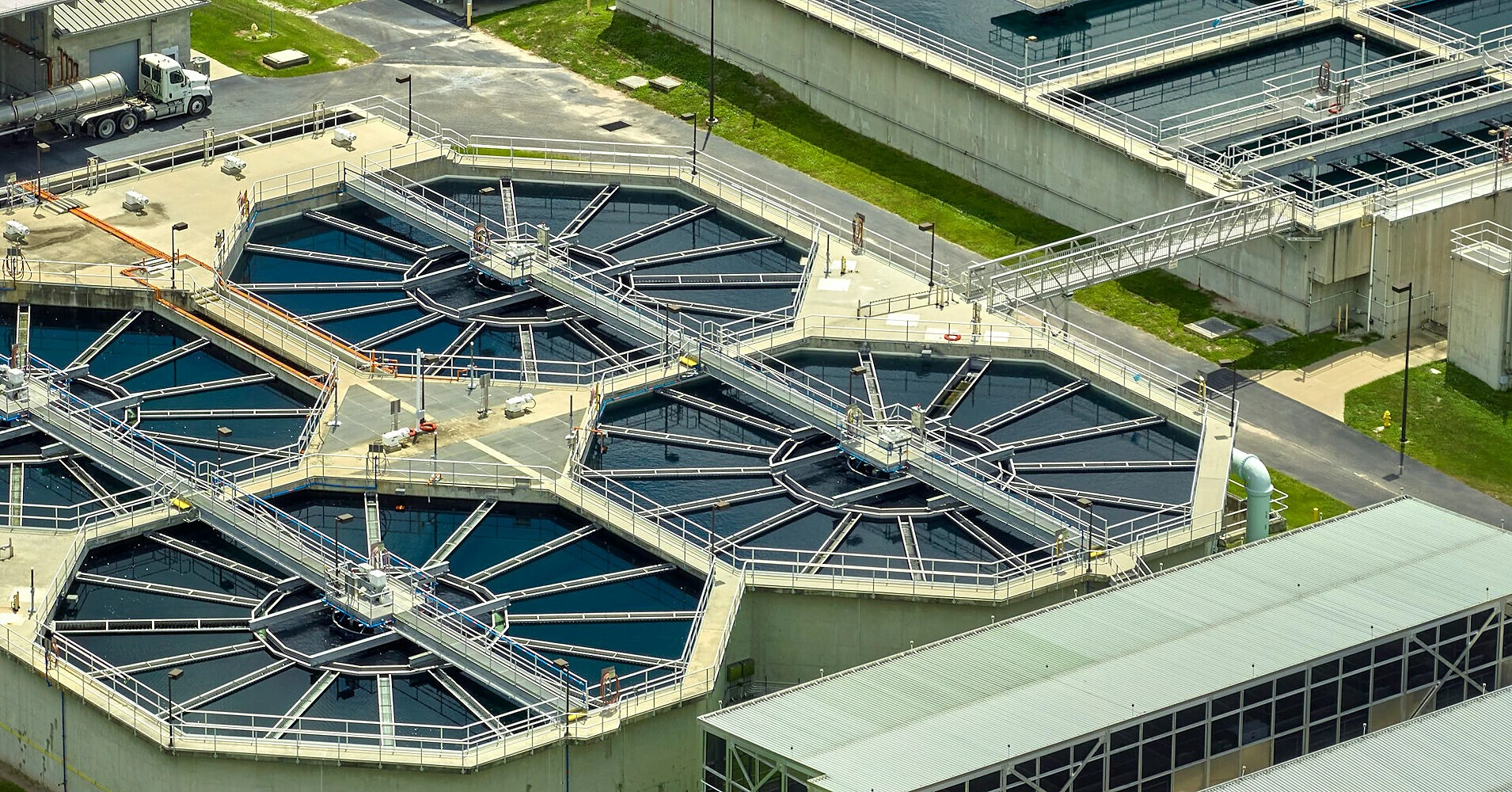
Russia may focus winter strikes on Ukraine's water supply and sewage systems. To protect its energy infrastructure, Kyiv needs PAC-3 missiles for Patriot systems, as well as about €900 million in additional international assistance.
This was stated by Ukraine's Deputy Prime Minister and Minister of Energy Denys Shmyhal in an interview with Politico.
According to him, Russian leader Vladimir Putin is trying to completely undermine Ukraine's energy system, weaken the economy, and halt weapons production. Moscow also expects that the population's exhaustion in winter will increase pressure on the Ukrainian authorities.
Shmyhal noted that last winter Russia mainly attacked electricity and heat supply facilities, while now it may try to destroy water infrastructure.
"It is difficult to survive more than three days without water and sewage", - the minister emphasized.
In response, Ukraine continues long-range strikes on Russian oil refineries. According to data cited by Politico, they have disabled about 40% of Russia's primary oil refining capacity and caused fuel shortages in a number of regions.
Shmyhal compared the two countries' confrontation to the twelfth round of a boxing match, where each side is waiting for the opponent to fall first. The Ukrainian authorities hope that strikes on Russian energy together with partners' sanctions will force the Kremlin to end the war as early as this fall.
To defend against Russian ballistic missiles, Ukraine needs PAC-3 interceptors for Patriot systems. President Volodymyr Zelensky earlier specified a benchmark of 300 such missiles.
Due to the reduction of American stockpiles after the war with Iran, Ukraine and its allies are trying to convince Spain, Greece, and other countries to transfer some of their own PAC-3 missiles.
Meanwhile, Ukraine is strengthening the resilience of its energy system. Protective structures are being built over electricity facilities, water supply sites, and gas storage. The regions are also receiving modular boiler houses and generators, which are harder to destroy with a simultaneous strike.
According to Shmyhal, before 2014 Ukraine had 54.5 GW of generating capacity. After the start of the full-scale invasion, the figure dropped to 32 GW, in part due to the loss of access to the Zaporizhzhia Nuclear Power Plant.
After the winter attacks, available electricity generation stood at about 12 GW, with a deficit of roughly 6 GW. The minister states that Russia has destroyed or damaged over 80% of Ukraine's generation.
International partners have already directed €2.1 billion to the Energy Support Fund for Ukraine. In 2025, the fund concluded 367 agreements and transferred equipment worth €447 million, three quarters of which was intended for electricity production, distribution, and transmission.
However, before the start of the new heating season, Ukraine needs to attract another €500 million to form an equipment reserve. Additionally, about €400 million is required by Naftogaz for recovery after Russian attacks. Kyiv is counting, among others, on help from Canada.
Shmyhal admitted that Russia will likely try to drag the war into winter. At the same time, he assured that Ukraine is preparing for this scenario and will be able to get through the next heating season.
