
The US spent 80% of its THAAD interceptor missiles and nearly all ATACMS (Updated)
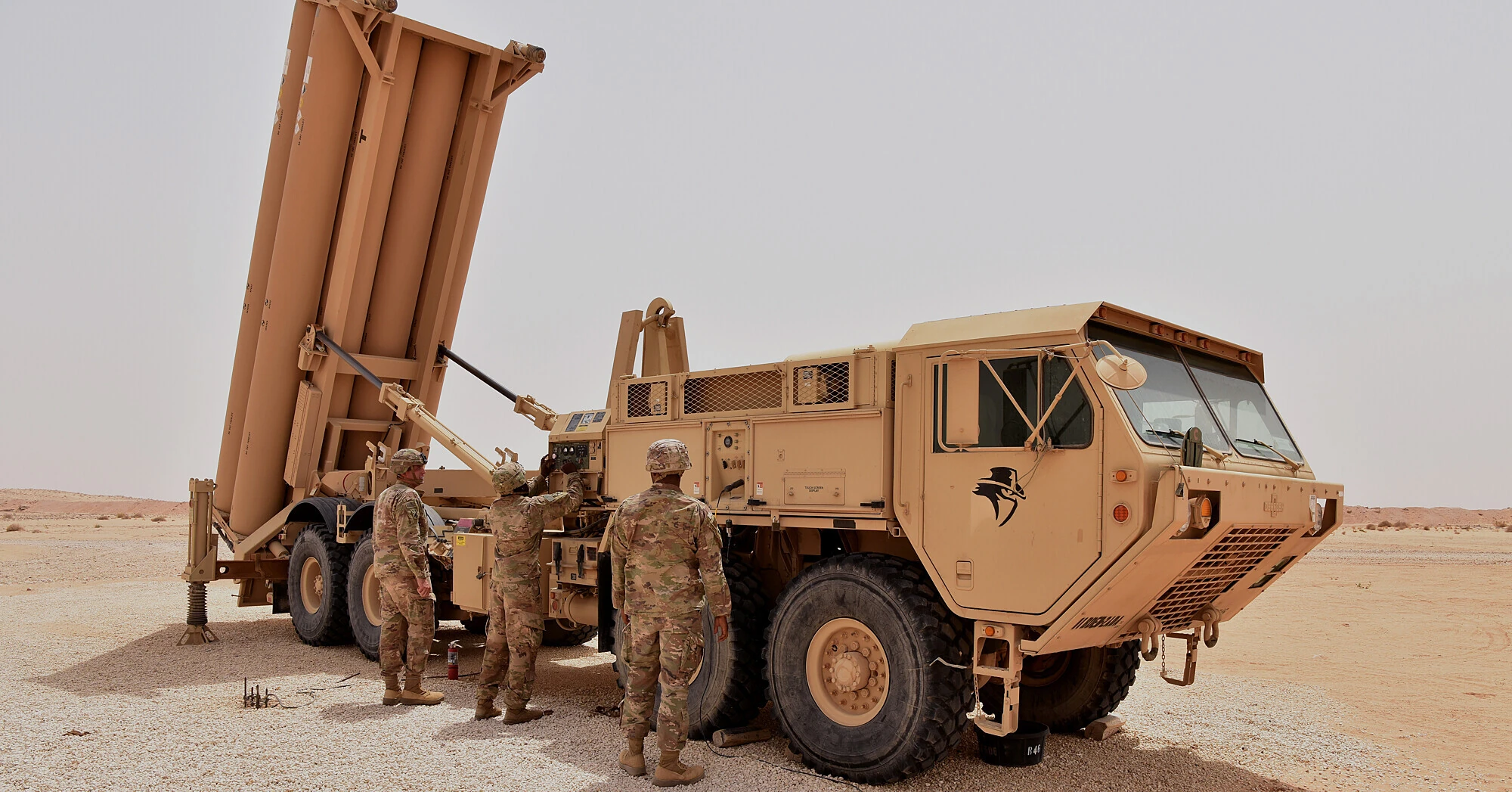
The U.S. military has expended nearly 80% of its THAAD interceptor stocks and about half of its Patriot missiles since the start of the war with Iran. At the same time, the U.S. Army has used practically all available long-range ATACMS and PrSM missiles, and the stock of Tomahawk cruise missiles has been reduced by almost half.
This was reported by CNN citing several sources familiar with the latest internal Pentagon reports. According to them, senior American commanders are warning that stocks of key munitions have dropped to dangerously low levels.
The most depleted are stocks of missile defense systems. According to an estimate by the Center for Strategic and International Studies, before the war the U.S. had approximately 452 THAAD missiles and about 2,200 interceptors of the two most modern Patriot variants.
THAAD is designed primarily to intercept ballistic missiles at high altitude and long range. Patriot can destroy ballistic and cruise missiles, aircraft, and other aerial targets. During the conflict, these systems were used to protect American troops and allies from Iranian strikes.
Stocks of strike weapons have also seriously dwindled. According to CNN's sources, the U.S. Army has used "practically all" available ATACMS and Precision Strike Missiles. ATACMS is a high-precision ground-based missile for strikes on command posts, air defense systems, depots, and logistics facilities. The newer PrSM is gradually replacing ATACMS and has a longer engagement range.
Sea-launched Tomahawk cruise missile stocks also remain significantly depleted: since the start of the war, the U.S. may have used nearly half of the available missiles. Back in April, CNN estimated the expenditure at about 30% of the stock. Tomahawks are launched from ships and submarines for long-range strikes against ground targets.
The article also mentions the Joint Air-to-Surface Standoff Missile, or JASSM, air-launched cruise missiles. They are launched from aircraft outside the engagement zone of most air defense systems. The sources do not specify the exact proportion of JASSMs expended, but analysts expect that stocks of these missiles and PrSM can return to pre-war levels only in the middle or second half of 2027.
Replenishment of air defense system stocks will take longer. Under the current schedule, the Pentagon receives approximately 20 new Patriot and 15 Tomahawk missiles per month. Returning the number of THAADs to pre-war levels may take at least three years.
The shortage of interceptors is also a concern among Persian Gulf states that use American air defense systems. U.S. allies fear that in the event of a new escalation, they will not have enough missiles to defend against possible Iranian strikes on cities and energy infrastructure.
According to CNN, the issue of diminishing stocks was one of the factors discussed before Donald Trump's decision to forgo new large-scale strikes against Iran last weekend. Other risks cited included possible mass civilian casualties and retaliatory strikes on energy facilities of U.S. allies.
The White House and the Pentagon deny that ammunition shortages are limiting the capabilities of the U.S. military. Administration officials state that the military has sufficient arsenal to accomplish assigned tasks, and defense companies are expanding production of missiles and rocket motors.
At the same time, analysts warn that complete replenishment of high-tech munitions could take years. This could complicate U.S. preparations for possible simultaneous crises or conflicts involving China, Russia or North Korea.
Source Materials: CNN
