
General Staff refutes information about strike on Bortnychi aeration station (Updated)
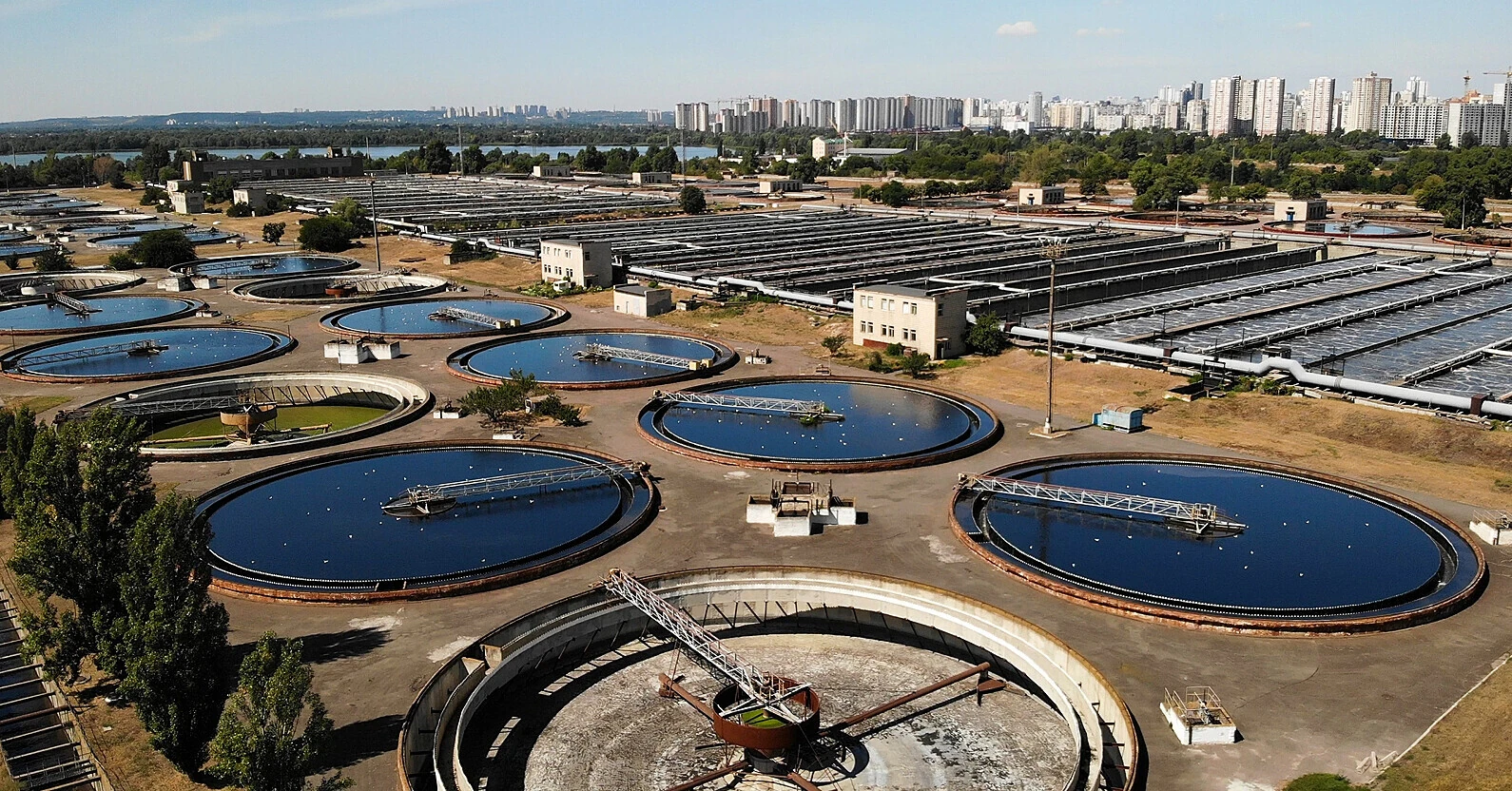
Information about the nighttime hit on the Bortnychi aeration station does not correspond to reality. This was stated by the spokesman of the General Staff of the Armed Forces of Ukraine Dmytro Lykhovii.
"As of now, this is a fake," he emphasized.
Lykhovii urged the media to check reports on the consequences of Russian attacks with the State Emergency Service and other official services before disseminating them.
Earlier, political scientist and founder of the "Eidos" Center Viktor Taran reported an alleged repeat strike with ballistic missiles on the Bortnychi station. It was this information that the General Staff spokesman refuted.
At the same time, Taran drew attention to the potential consequences of possible damage to the facility. The Bortnychi aeration station is a key wastewater treatment complex for Kyiv and a number of adjacent settlements. However, the scenario of the station's shutdown described by him is an expert assumption, not a consequence of a confirmed attack.
The Bortnychi aeration station is the only large complex that drains and treats wastewater from Kyiv and parts of adjacent settlements. Its design capacity is 1.8 million cubic meters per day, and the actual load, according to city authorities, is about 600-800 thousand cubic meters.
Treatment takes place in three main stages and includes mechanical removal of contaminants, biological treatment in aeration tanks, and subsequent settling of the water. Three blocks of treatment facilities, pumping and auxiliary equipment operate at the station.
According to Taran, the most vulnerable are not the massive reinforced concrete structures, but the power supply systems, pumps, distribution equipment, and automatic control. Prolonged power outages, in his opinion, could disrupt the pumping and aeration of effluents and require lengthy restoration of biological treatment.
In the event of a serious shutdown of the station, one of the risks could be the discharge of insufficiently treated wastewater into the Dnipro River. This would create an additional load on the water utilities of settlements downstream. At the same time, experts had previously warned against panicked forecasts: specific consequences depend on the nature of the damage, downtime duration, and preservation of the station's reserve capabilities.
After reports of a likely attack on the Bortnychi station on May 24, the State Emergency Service stated that all facilities of "Kyivvodokanal" continued to operate normally, and no disruptions in water supply and drainage were recorded. The spokeswoman of the service did not rule out then that the missiles could have been aimed at this facility, but they failed to damage it critically.
The risk of strikes on water infrastructure had previously been recognized at the government level as well. Minister of Energy Denys Shmyhal recently stated that during the next winter campaign, Russia could focus attacks on Ukraine's water supply and sewage systems. This requires proactive strengthening of these facilities' protection and preparation of backup schemes for their operation.
Taran called for providing physical protection of the station's energy and pumping equipment, autonomous power supply with fuel reserves, and dispersed storage of repair kits. He also believes that the facility should receive priority protection by air defense systems.
Based on materials from: Viktor Taran, Hromadske Radio, Dmytro Lykhovii
