
UAE resumes oil exports despite risks in the Strait of Hormuz
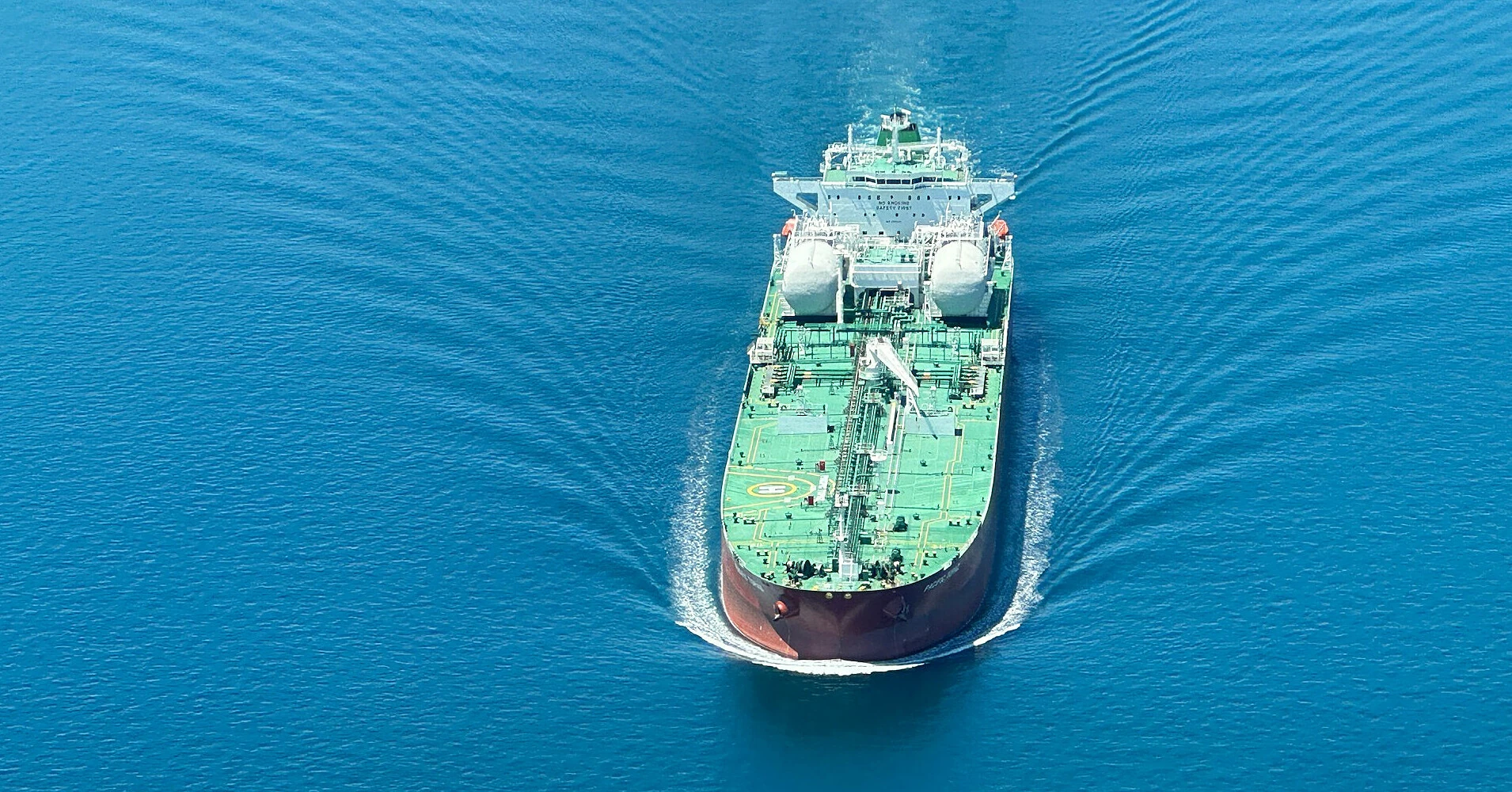
The United Arab Emirates has moved more oil through the Strait of Hormuz over the past two months than any other producer in the region. Supplies from the UAE helped partially offset the decline in exports from the Persian Gulf and keep global prices from rising.
Since the beginning of June, the state-owned Abu Dhabi National Oil Company has sold more than 130 million barrels of oil in seven tenders. This volume exceeds the monthly consumption of Japan, Asia's third-largest oil consumer.
According to analytics firm Vortexa, the UAE was the only Middle Eastern producer that managed to restore seaborne oil exports in June and July to pre-war levels. Most cargoes were purchased by Asian refineries, particularly in China and Japan.
To export crude, ADNOC uses tankers that traverse the dangerous stretch with their transponders turned off. After exiting the Strait of Hormuz, the oil is typically transferred to other vessels in the Gulf of Oman, from where it is delivered to buyers.
One such vessel was the supertanker Romania Prosperity. In late July, it stopped transmitting location data, and on August 4 it appeared in the Gulf of Oman with a cargo of ADNOC oil.
The UAE also uses a pipeline to Fujairah port, which allows it to export some crude bypassing the Strait of Hormuz. In addition to oil, the company continues to export liquefied natural gas: the Mubaraz tanker recently appeared near India after traversing the gulf with its transponder off.
At the same time, regular traffic through the Strait of Hormuz remains significantly below pre-war levels. According to MarineTraffic, at least ten commercial vessels passed through in the last 24 hours: seven headed towards the Persian Gulf and three towards the Gulf of Oman.
Risks persist on the alternative Red Sea route as well. Yemen's Houthis claimed a missile attack on the Saudi tanker Daisy in the Gulf of Aden. The group asserts the vessel was hit and changed course, but there is no independent confirmation.
The UK's UKMTO center separately reported an explosion near a tanker 95 nautical miles southeast of Aden. The crew was unharmed and no fuel leak was recorded. Whether this involved the Daisy vessel is currently unknown.
A threat to Saudi supplies via the Yanbu port could force Asian refineries to rely even more on UAE oil. Analysts estimate that ADNOC's supplies have already helped stabilize the market, since Middle Eastern crude grades are difficult to quickly replace with crude from other regions.
