
Putin urges Central Bank to lower rate amid stagnation
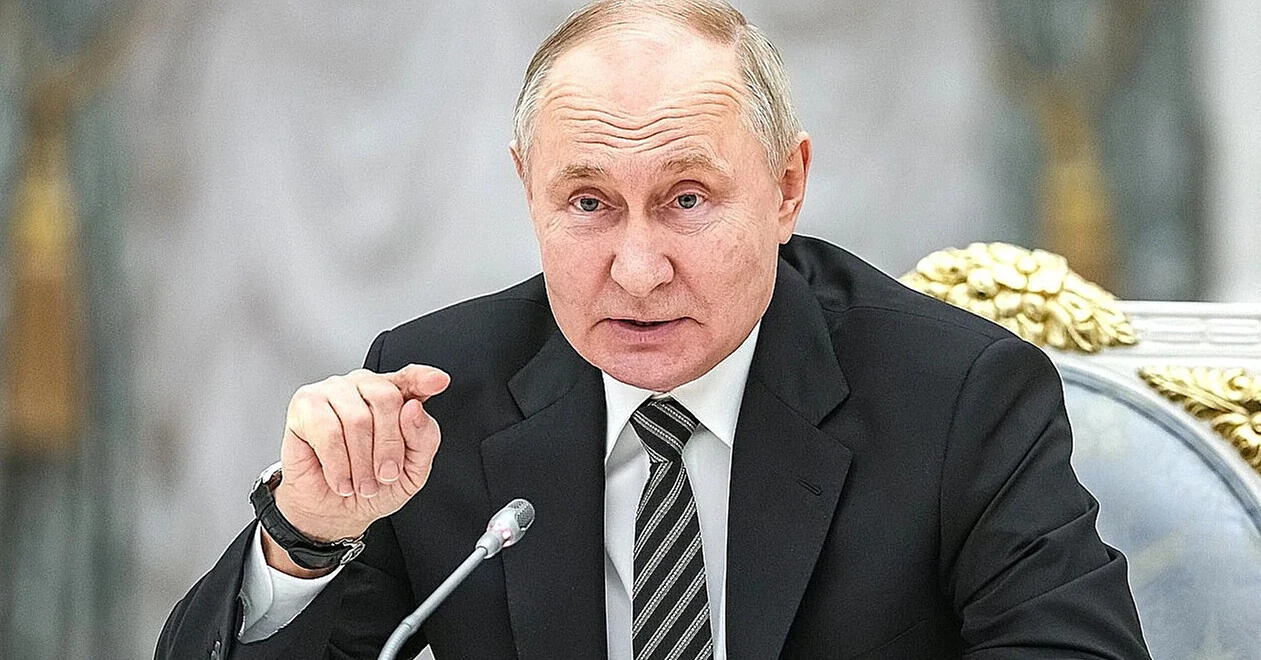
Vladimir Putin is publicly heightening expectations of a further cut in Russia's key interest rate, putting central bank governor Elvira Nabiullina before a difficult choice. The regulator is trying to support the slowing economy but simultaneously fears renewed acceleration of inflation due to rising fuel prices, budget spending, and persisting supply shortages.
According to Bloomberg's assessment, pressure on Nabiullina intensified after Putin began openly speaking about the need to ease monetary policy. For Russian businesses, a lower rate means cheaper credit, but reducing it too quickly could fuel price growth and weaken the ruble.
The public signal came on July 14 during Putin's meeting with the head of Yakutia, Aysen Nikolaev. The regional leader complained about the high cost of credit and an overly strong ruble, which complicate the operations of export-oriented enterprises.
Nikolaev related that he discussed the issue with Nabiullina and that she allegedly promised a "fairly confident" rate cut. Putin responded that this should happen naturally, based on macroeconomic indicators and economic stability.
Although Russia's central bank formally makes its own decisions, Putin's publicly stated expectations raise the political cost of any move by the regulator. If the Bank of Russia cuts rates more slowly than the Kremlin anticipates, Nabiullina may be accused of hindering the economy. A sharper easing, in turn, creates the risk of a new inflationary spike.
Central Bank slows pace of rate cuts
At its meeting on July 24, the Bank of Russia cut the key rate by only 0.25 percentage points — from 14.25% to 14% per annum. This was the smallest easing considered by the regulator; the alternative option was to keep the rate unchanged.
Since the beginning of 2026, the rate has decreased from 16% to 14%. In February, March, and April, the central bank cut it by 0.5 percentage points, but in June and July it reduced the step to 0.25 points. Such dynamics show that the scope for rapid monetary easing has diminished.
Nabiullina explained the caution by rising inflationary risks. In the central bank's assessment, sustainable inflation indicators remain in the 4–5% range on an annualized basis, but price growth accelerated over the summer and household inflation expectations rose noticeably.
One of the main factors was the rise in fuel prices. Gasoline occupies a prominent place in daily household expenditures and business costs, so its price increases are gradually being passed on to the cost of other goods and services.
The Bank of Russia raised its 2026 end-of-year inflation forecast from 4.5–5.5% to 6–7%. The regulator expects part of the price spike to be temporary but fears secondary effects: businesses may incorporate more expensive fuel and transport costs into prices, and citizens may alter their consumer behavior in anticipation of further price increases.
Budget hampers faster reduction in borrowing costs
An additional obstacle for Nabiullina proved to be the Kremlin's budgetary policy. The central bank expects that Russia's budget will be more stimulative in the coming years than previously assumed. High state expenditure supports demand and the money supply but can simultaneously fan inflation.
In its updated forecast, the Bank of Russia raised the expected average key rate for 2026 to 14.5–14.6%. For 2027, the regulator set a range of 10.5–12.5%, whereas in the spring it was counting on faster policy easing.
The central bank separately warned: if the budget parameters envisage a higher structural deficit, the rate will have to be kept elevated for longer. Thus, the Kremlin's calls to support the economy with cheap credit clash with large-scale state spending that restricts the regulator's room for maneuver.
Russian economy nears stagnation
Pressure on Nabiullina is mounting against the backdrop of a sharp slowdown in Russia's economy. The Bank of Russia lowered its 2026 GDP growth forecast from 0.5–1.5% to 0–1%. The lower bound of the forecast means that by year-end the economy could show no growth at all.
According to the regulator, economic activity increased moderately in the second quarter. Investment remained subdued, and in June businesses noticeably worsened their expectations regarding future demand and output volumes.
The high rate raises the cost of debt servicing and complicates attracting new credit. Enterprises in civilian sectors that do not receive direct budget support are particularly sensitive to it. Companies postpone investment projects, cut spending, and push the authorities to accelerate the cheapening of borrowed funds.
The strong ruble also stokes exporters' discontent. It lowers companies' ruble revenues from goods sold in foreign currency, though it simultaneously helps restrain import costs and inflation. A faster rate cut could weaken the Russian currency, which would support exporters but create additional price pressure.
Nabiullina insists on central bank independence
The Bank of Russia governor earlier stated that the regulator takes into account the views of businesses, government bodies, and experts but does NOT perceive calls to cut rates as pressure. According to her, decisions are made based on analyses of inflation, lending, domestic demand, budget, and external risks.
Nabiullina also warned that the effect of the high rate appears with a lag — over several quarters. According to the regulator, it was precisely this prolonged period of tight monetary policy that allowed inflation to slow after its previous acceleration.
Bloomberg notes that the current situation is becoming a test of Nabiullina’s ability to defend the central bank’s cautious course. She needs to take into account Putin's wishes and spreading discontent among businesses while preventing a loss of control over prices.
The Bank of Russia's next key rate meeting is scheduled for September 11. Based on the regulator's updated forecast, a sharp cut is unlikely without a noticeable slowdown in inflation, stabilization of the fuel market, and greater certainty concerning budget expenditures.
Based on materials from: Bloomberg, Bank of Russia
