
Iran's Deal with Oman Does Not Guarantee Full Opening of Hormuz, Tehran Sets Conditions for the US
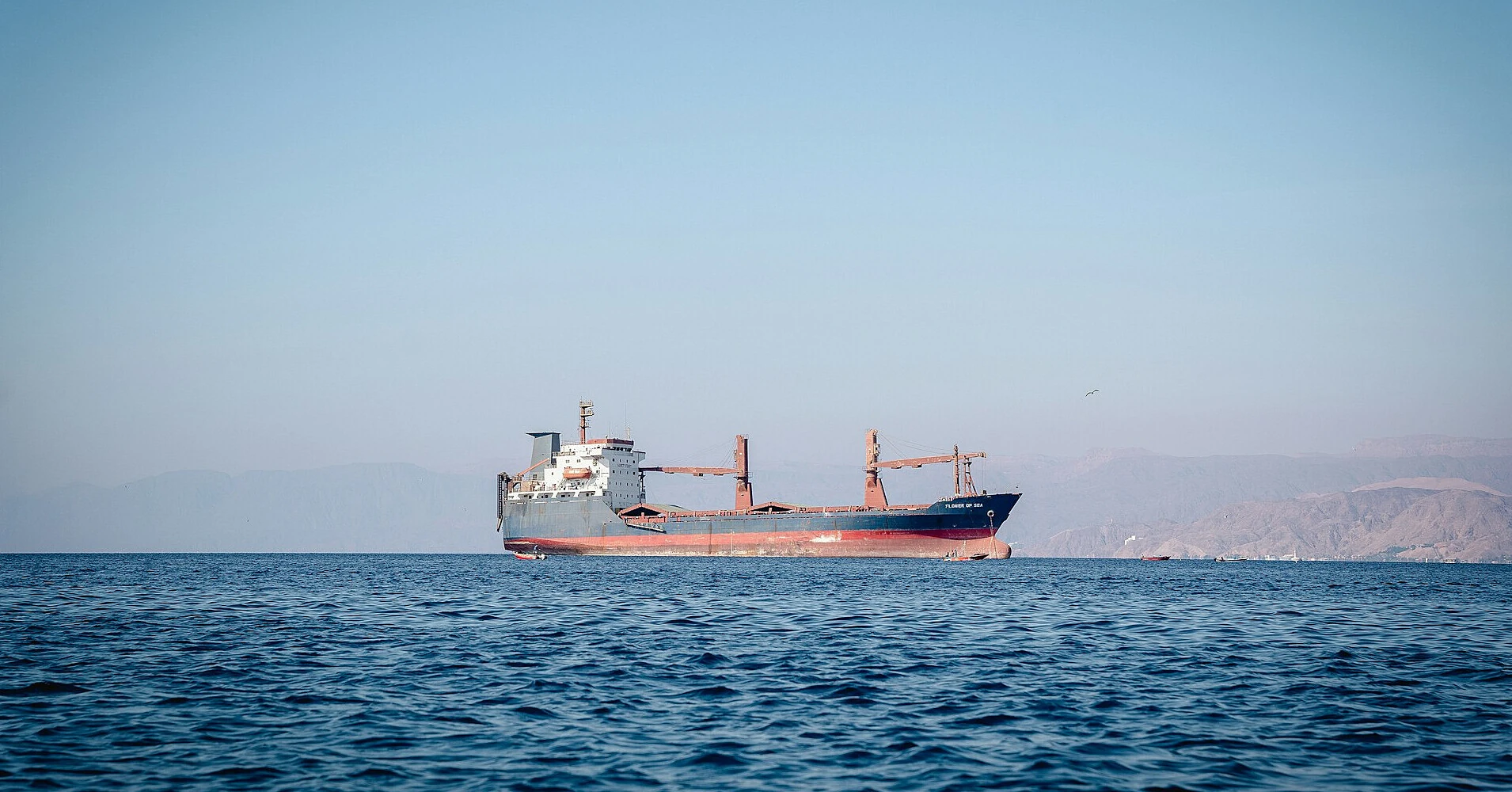
The agreement between Tehran and Oman will define a new order for vessel movement, but does not by itself guarantee the full restoration of shipping.
Iran is finalizing an agreement with Oman on a new procedure for vessels transiting the Strait of Hormuz. At the same time, Tehran warns that the agreement between the two littoral states will not automatically mean the opening of the waterway.
Iran's Deputy Foreign Minister Kazem Gharibabadi stated that for free movement of vessels, the United States must provide Tehran with a set of guarantees. Among Iran's demands are:
- cessation of the American naval blockade of Iranian ports;
- revision of sanctions re-imposed after the ceasefire collapse, primarily restrictions targeting the oil sector;
- resumption of negotiations on frozen Iranian assets;
- Washington's fulfillment of commitments regarding the stabilization of the situation in Lebanon.
Gharibabadi stressed that the new agreement is not the implementation of a clause from the previous agreement, which obligated Iran to make efforts for safe commercial shipping for 60 days. According to him, Tehran and Muscat are creating a separate control model taking into account the current security situation.
Under the preliminary plan, instead of two routes through the strait, there will be one. Vessel entry into the Persian Gulf will be controlled by Iran, and exit by Iran jointly with Oman. Part of the traffic will pass through Iranian territorial waters, the rest through Omani waters.
Iran's Fars agency also reported on a bill that could ban the passage of US and Israeli vessels, as well as the transportation of goods linked to Israel. Countries that Tehran considers hostile could be required to pay compensation to obtain passage permits.
In addition, it is proposed to introduce fees for insurance, vessel refueling, and coverage of environmental costs. The draft agreement and corresponding legislative proposals are still under consideration by the Iranian Parliament, so the final rules have not been approved.
US President Donald Trump, commenting on the negotiations, stated that they are progressing well. However, the proposed ban on American ships and Tehran's new demands could become an obstacle to a final deal.
The Strait of Hormuz is one of the most important routes for global energy trade. Before the current crisis began, about one-fifth of the world's consumption of oil and petroleum products passed through it, as well as approximately 20% of international trade in liquefied natural gas.
