
US Senate Begins Debate on New Sanctions Against Russia and Iran
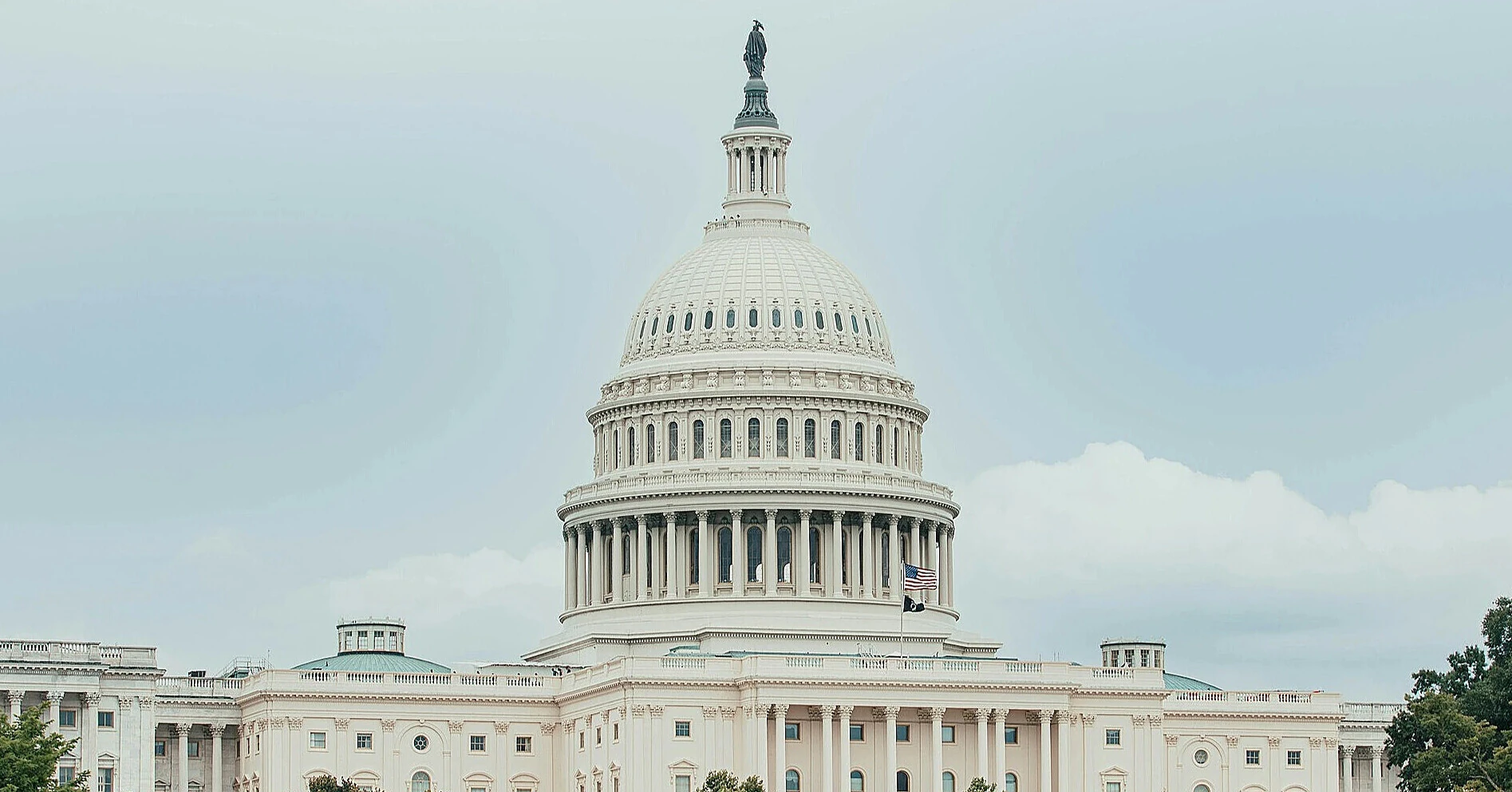
The US Senate has moved to consider a large-scale package of sanctions against Russia and Iran. A final vote on the bill could take place as early as Friday, August 7, journalist Alex Raufoglu reported. At the time of this writing, the official result of the final vote has not yet been published.
The bill has been named the Lindsey O. Graham Sanctioning Russia and Iran Act of 2026 in honor of the late Republican Senator Lindsey Graham, who, together with Democrat Richard Blumenthal, promoted the initiative and shortly before his death agreed on an updated version of it with the White House. On July 28, the Senate already supported moving to consideration of the document with a procedural vote — 86 senators voted in favor and 12 against.
The package provides for primary and secondary sanctions against Russia and individuals and entities that help finance or support Russia's war against Ukraine. Russian officials, oligarchs and their family members, banks and other financial institutions, foreign companies and individuals, as well as vessels of the Russian “shadow fleet” could fall under restrictions.
One of the most stringent parts of the document is the ability to impose increased tariffs on the largest buyers of Russian energy resources. The US President will be able to set duties of up to 100% on goods from countries that are among the five largest importers of Russian oil or gas. A similar mechanism is provided for the largest states helping to circumvent energy sanctions against Moscow.
Thus, the sanctions mechanism is aimed not only directly at Russian companies. Its objective is to raise the cost of purchasing Russian energy resources for states that provide Moscow with a significant portion of export revenue.
At the same time, the final version grants the US President the ability to make exceptions to some restrictions if the White House justifies to Congress that this serves the national interests of the United States. Exactly the scope of new presidential powers to impose tariffs has raised objections from some Democratic senators, who seek changes to the document.
The package also includes provisions on Iran. They are intended to prevent the expiration of US sanctioning authorities that limit funding for the Iranian energy and weapons sectors. This addition appeared when the updated bill was agreed upon with the US administration.
If the Senate approves the bill in the final reading, the document will still need to pass the House of Representatives. After approval by both houses of Congress, it must be sent to the US President for signature.
Based on materials from: Alex Raufoglu, US Senate
