
Pentagon demands manufacturers urgently increase rocket production
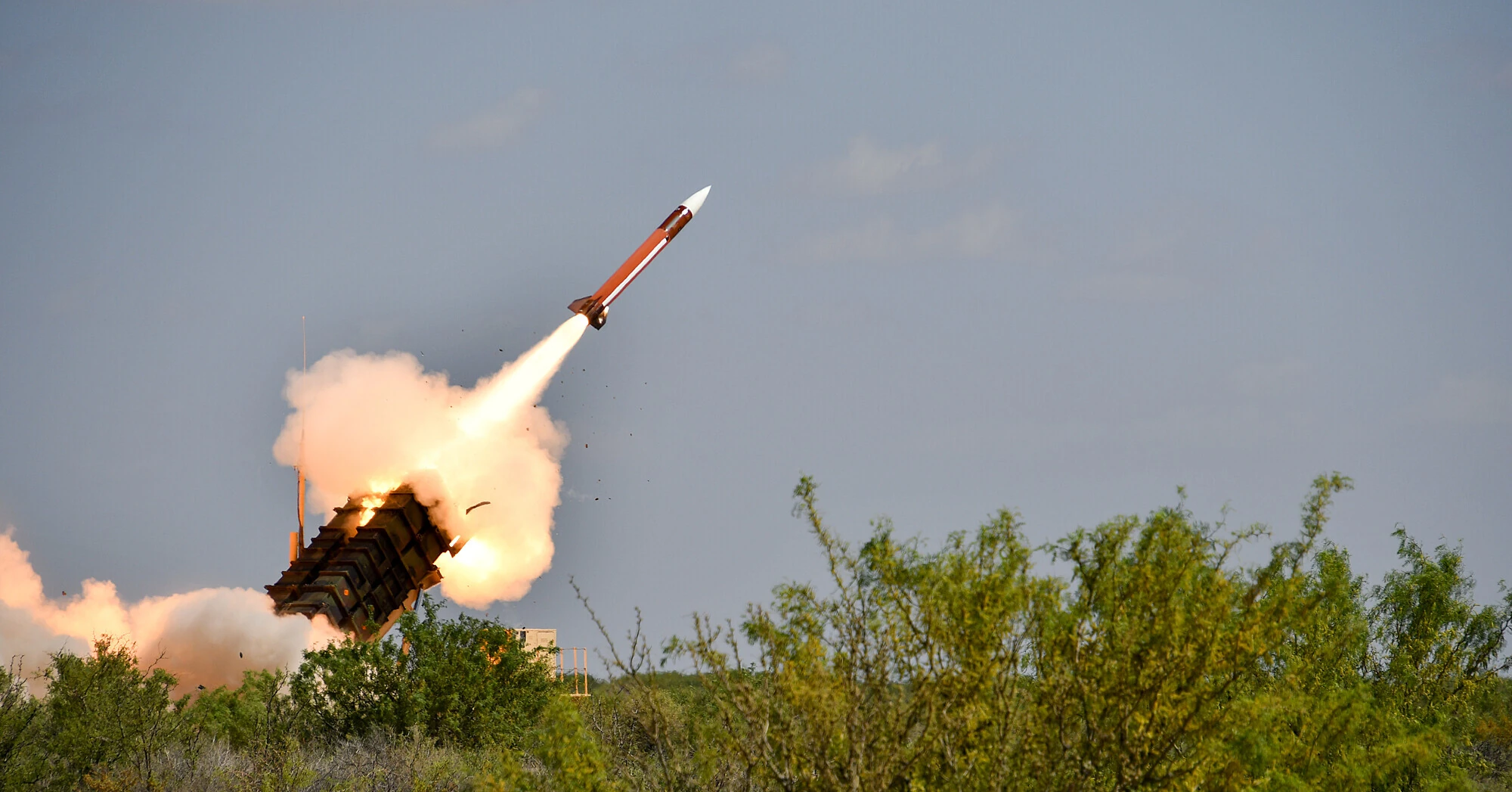
The US Department of Defense demanded that American defense companies urgently increase production and accelerate the supply of weapons, stocks of which have significantly decreased due to the war with Iran.
This was reported by The Washington Post, citing a memo by US Deputy Secretary of Defense Steve Feinberg.
Defense industry leaders must submit plans within 21 days to significantly accelerate deliveries and increase production of critical weapons. Companies are also expected to provide proposals for expanding facilities and investing in new production capacities.
"Multi-year development cycles are unacceptable", - Feinberg emphasized.
According to him, the US must immediately reduce the implementation timelines for defense programs and increase industrial capabilities.
The Pentagon confirmed the existence of the document. Spokesperson Sean Parnell stated that manufacturers' proposals will be taken into account when preparing the defense budget for fiscal year 2028.
The need to accelerate production arose against the backdrop of significant ammunition expenditures in the war with Iran. According to The Washington Post, during the first month of hostilities alone, American forces employed over 850 Tomahawk cruise missiles, more than 1,000 Patriot and THAAD interceptors, and over 1,300 Army tactical ballistic missiles.
According to an assessment by the Center for Strategic and International Studies, the global stockpile of Patriot missiles declined from approximately 2,200 units before the war to fewer than 827. The number of THAAD interceptors dropped from 452 to fewer than 278.
Analysts warn that the shortage of such missiles may force American forces and allies to be more selective in choosing targets for interception. The US currently lacks a full replacement for Patriot and THAAD to counter ballistic missiles.
Meanwhile, President Donald Trump downplays the criticality of the situation. He stated that the United States has significant volumes of ammunition, and new products are constantly being manufactured and delivered to the military.
The Pentagon has already signed framework agreements with Northrop Grumman and Lockheed Martin to increase production of components for PAC-3 and THAAD. They allow for the potential to triple Patriot missile production and quadruple THAAD production.
However, framework agreements are not final arms procurement contracts. Congressional funding is required for their full implementation. The corresponding defense spending bill of $1.15 trillion is currently blocked due to disagreements between Republicans and Democrats.
The White House also called on leaders from Lockheed Martin, Northrop Grumman, Boeing, Anduril, Palantir, and other defense companies to persuade lawmakers to increase military spending.
Experts estimate that even after production expansion, restoring Tomahawk, Patriot, and THAAD stockpiles to pre-war levels could take at least three years.
Based on materials: The Washington Post, CSIS, US Department of Defense
