
Taiwan adopts Ukraine's experience and plans to produce 100 thousand drones monthly
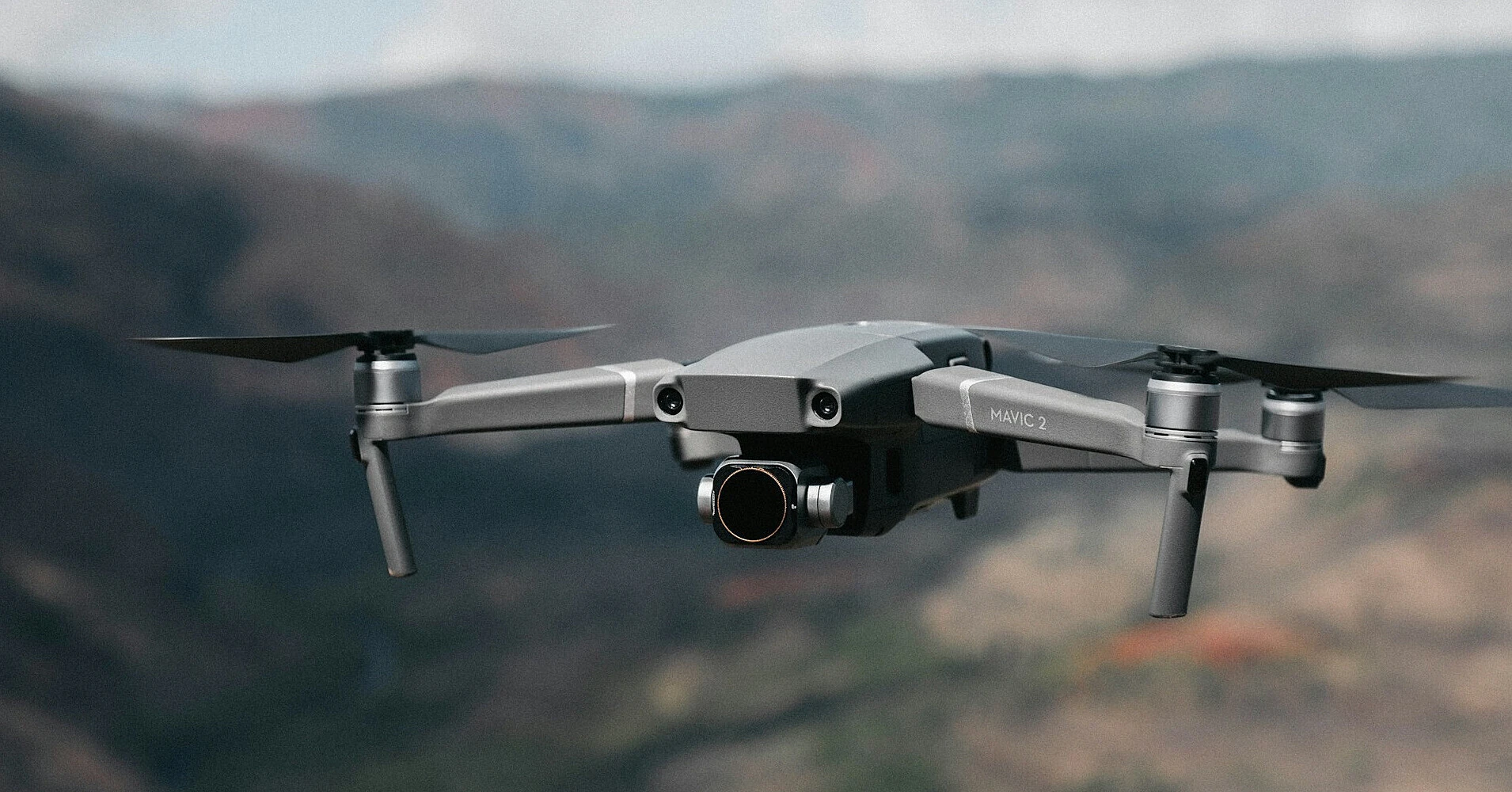
Taiwan is accelerating the creation of air and sea drone fleets to deter a potential Chinese invasion. By 2030, the island plans to produce up to 100 thousand drones per month, about half of which are intended for export.
Taiwanese military personnel are studying Ukraine's experience, which uses relatively cheap and maneuverable unmanned aerial vehicles to confront a much larger adversary. Drones are intended to help detect and attack Chinese forces while they are still approaching the island.
American military officials call this concept a "hellscape". It envisions the use of a large number of drones, missiles, and artillery to make a naval landing operation too dangerous and costly for Beijing.
In addition to ramping up production, Taiwan plans to purchase more than 210 thousand air and sea drones for its armed forces. The government has proposed spending $6.5 billion on the corresponding program over five years.
Opposition parties, which control the majority in parliament, rejected this plan due to concerns about the ineffective use of funds. Instead, the main opposition force proposed allocating $7.4 billion over six years, with a gradual increase in the share of local production.
Taiwan has already established a Coastal Defense Command that integrates drones, mobile missile systems, and artillery. During military exercises, units practice using drones for reconnaissance, enemy location, and countering hostile drones.
Experts caution that purchasing equipment alone will not be enough. The Taiwanese army will need to change the structure of its units, the training system, and combat doctrine, learn to control drone swarms, and operate in conditions of active electronic warfare suppression.
The island is also expanding its own drone industry to reduce dependence on foreign supplies in the event of a Chinese blockade. In the first three months of 2026, Taiwan exported $115 million worth of drones—more than in all of 2025.
The largest buyer was the Czech Republic. Meanwhile, research shows that some of the Taiwanese drones delivered there subsequently end up in Ukraine.
Taiwanese manufacturers hope to become one of the main suppliers of drones and components for democratic countries seeking to reduce dependence on Chinese parts due to risks of supply disruptions and espionage.
Source: The New York Times
