
AI Boom Exposes Data Center Weakness: Power Fluctuations Accelerate Equipment Wear
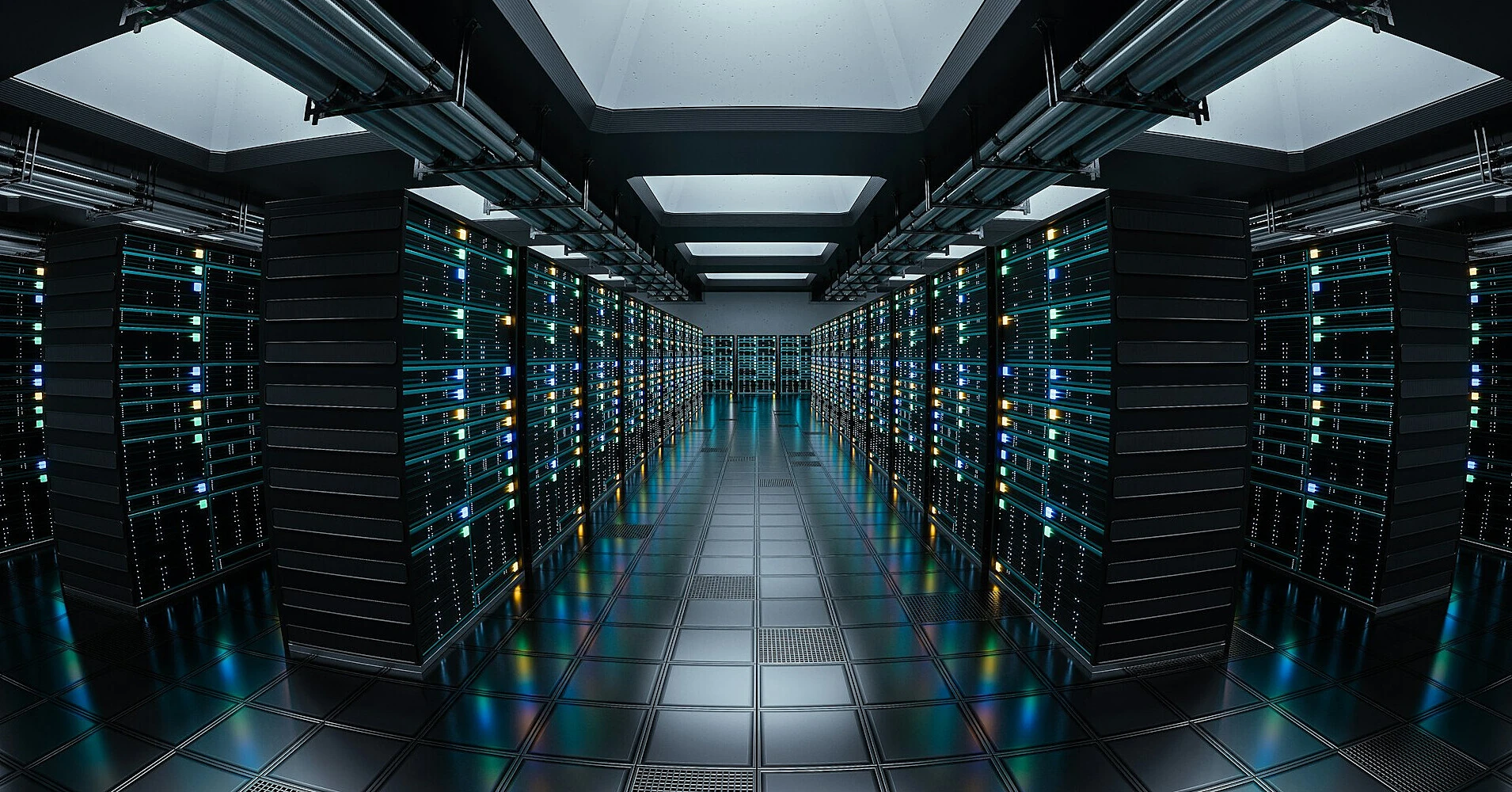
Sharp fluctuations in power consumption in AI data centers place excessive strain on critical equipment. Batteries, generators, turbines, and cooling systems are failing or wearing out much faster than expected.
The issue is linked to the nature of AI model training. Hundreds of thousands of GPUs cycle on and off within milliseconds, causing sudden surges in electricity consumption.
These fluctuations can rival the power needs of factories, cities, or even large metropolitan areas. A one-gigawatt data center consumes roughly as much electricity as a city the size of Boston, and half of that load can appear and disappear every few seconds.
At times, consumption can exceed the design capacity by 50%. For instance, a complex rated for one gigawatt might demand 1.5 gigawatts for a fraction of a second.
Most power equipment is not designed for such rapid transitions. Bloomberg’s sources reported failures of generator components, turbine cracks, and accelerated degradation of battery systems.
Specifically, cracks were found in gas turbines at the xAI Colossus computing facility in Memphis. To stabilize the load, engineers had to supplement the system with batteries. Similar turbine damage has occurred at smaller data centers in the UK.
In some cases, batteries installed to smooth load spikes had to be replaced within weeks or months. Cracks and wear also raise the risk of electrical arcs, which can damage costly AI processors.
Technical issues are already delaying new-site launches. Power delivery for a planned 2.67-gigawatt AI hub in West Texas has been pushed from 2027 to 2028 to allow extra time for electrical system design.
The main financial losses come not from replacing a single generator or battery, but from idle compute capacity. Depending on the facility type and workload, a minute of downtime can cost from several thousand to hundreds of thousands of dollars.
Data centers are designed for round-the-clock operation all year. Yet some AI facilities effectively run only about 80% of the time, which could affect investor revenue over the next 12–24 months.
Fluctuations also pose a threat to the wider electrical grid. NERC, the US regulator, examined data centers totaling more than 33 gigawatts and found that roughly three-quarters of the models representing their loads fail to reflect real-world consumption dynamics.
Developers use batteries, capacitors, transformers, and flywheels to stabilize the power supply. Nvidia is also working with electrical experts to adapt data centers for next-generation processors, but retrofitting infrastructure will raise the cost of AI projects.
Based on materials from: Bloomberg
