
Iran's oil terminals nearly stopped due to US blockade - Bloomberg
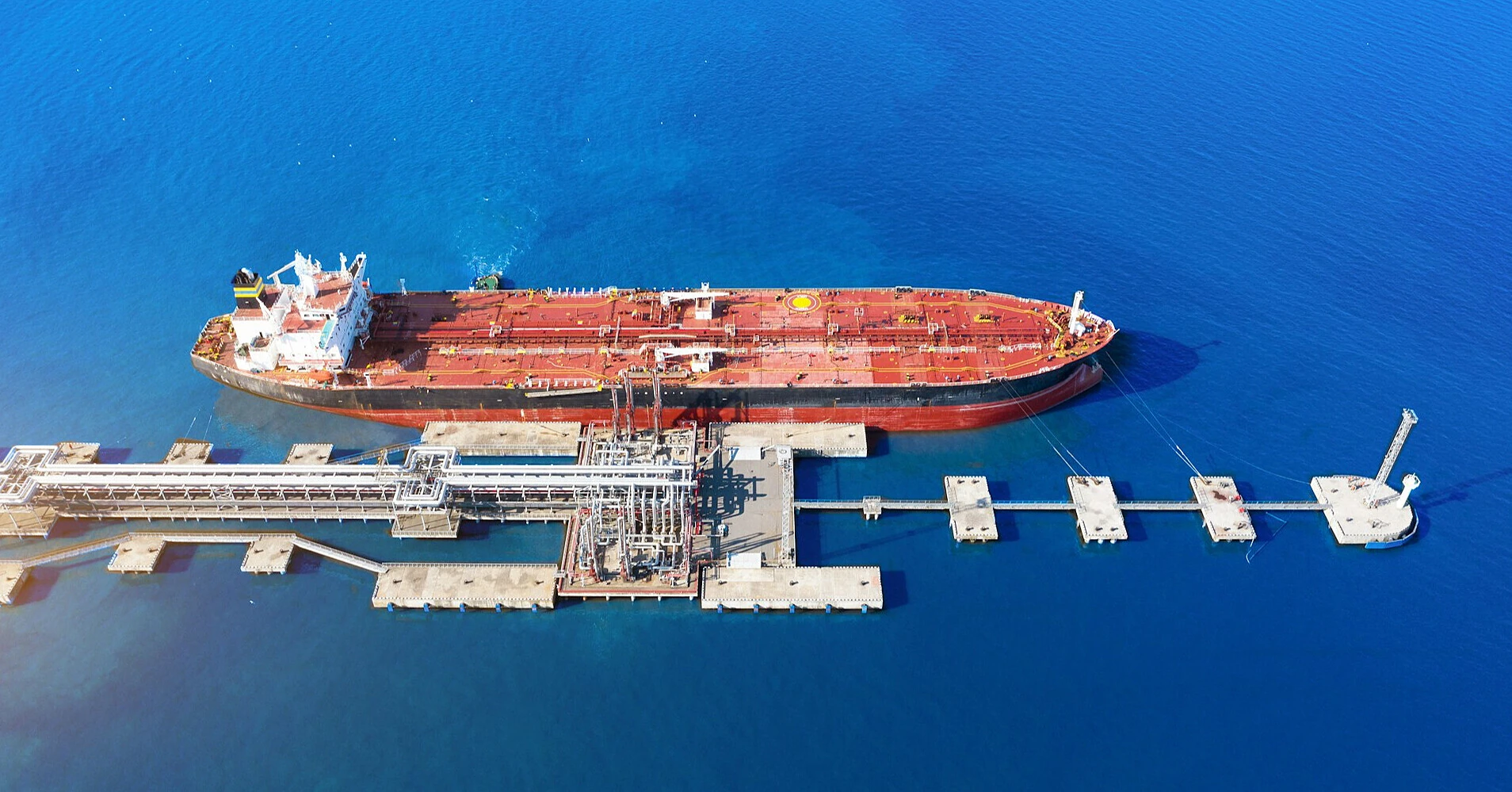
Activity at Iran's main oil terminals dropped sharply in August amid a US naval blockade. According to Kpler analysts, exports of oil and gas condensate from the country fell by about 40% compared to the average figure for July.
On six satellite images taken during the first nine days of August, not a single supertanker was recorded near Khark Island. The terminal located there is the main loading point for Iranian crude exports.
Two smaller vessels were near the Jask and Soroush terminals. However, getting complete information about the operation of Iran's oil infrastructure is difficult due to gaps between satellite images and limited data on tanker movements.
For comparison, in July between seven and ten supertankers called at the terminal on Khark Island. Six smaller vessels were recorded near the country's three main export facilities.
The most active loading took place in the first half of July, when after the peace agreement of June 17, Washington temporarily eased the blockade. During the short truce, Iran managed to export about 57 million barrels of oil.
After the US restrictions were renewed, volumes of supplies began to decline again. Kpler estimates current exports of oil and condensate at around 500 thousand barrels per day – 40% less than the average July figure. According to Vortexa calculations, loading volumes are only a small fraction of the July level of 740 thousand barrels per day.
The United States is using the blockade to force Tehran to conclude a peace agreement and restore full-scale shipping through the Strait of Hormuz, passage through which has been disrupted for almost six months.
US Central Command reported that while enforcing the blockade, American forces rerouted 55 commercial vessels. President Donald Trump stated that high inflation and financial difficulties could force Iran to agree to Washington's demands without further use of military force.
Iran accumulates unsold oil
Due to the drop in exports, Iran is forced to accumulate unsold oil in onshore storage facilities and on tankers at sea. According to Kpler, storage tanks in the country are 56% full and hold about 66 million barrels. Storage facilities on Khark Island are 64% full.
An additional problem for Tehran has been a decrease in demand from small Chinese refineries that traditionally buy Iranian crude. At the end of July, a significant congestion of tankers loaded with Iranian feedstock was recorded off the east coast of Malaysia.
Based on materials from: Bloomberg, US Central Command
