
Mobile Communication Should Work Without Electricity for Several Days: Ministry of Digital Transformation Prepares New Requirements
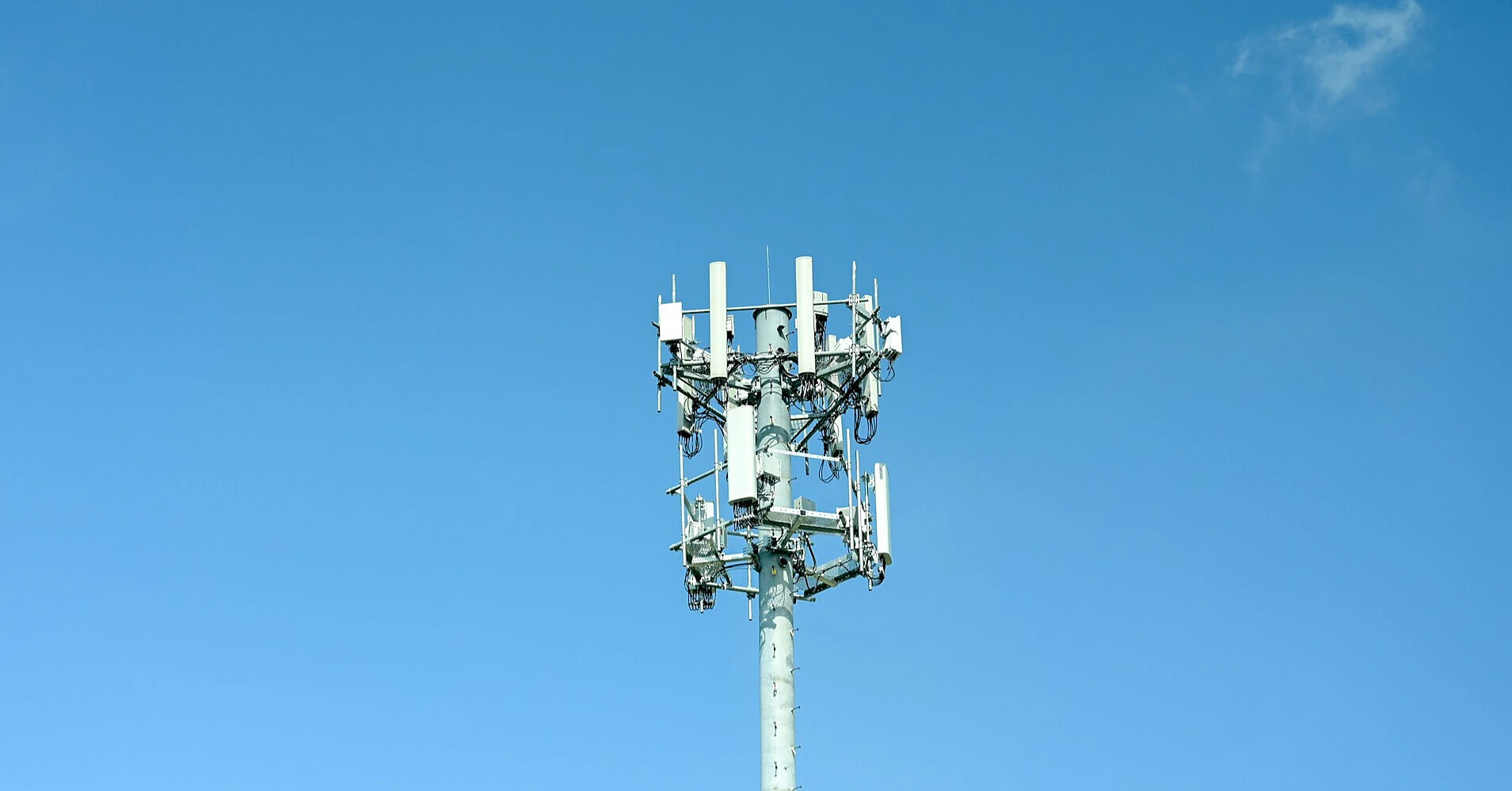
The Ministry of Digital Transformation plans to tighten requirements for autonomous operation of mobile networks ahead of a difficult winter. It wants to provide base stations with power not for several hours, but for several days. This was announced by Minister of Digital Transformation Oksana Ferchuk in an interview with "Ekonomichna Pravda".
According to her, the ministry is already in talks with mobile operators to increase the time during which base stations can operate after a power outage.
"We would like base stations to be able to work autonomously not for a few hours, but for several days", - said Ferchuk.
At the same time, specific standards and timeline for their implementation have not yet been announced. This is a goal that the Ministry of Digital Transformation is working on together with telecommunications companies.
Requirements for operators may exceed 10 hours
As specified by Forbes Ukraine, the enhanced requirements will apply to the largest operators - "Kyivstar", Vodafone Ukraine and lifecell. The new autonomy indicator is expected to exceed the current benchmark of 10 hours, but the final decision has not been published yet.
According to the Ministry of Digital Transformation, in 2022, operators' equipment could mostly run on batteries for one to two hours. Later, the minimum autonomous operation time was increased to four to six hours, and in some cases up to ten.
Currently, all base stations are equipped with batteries, but approximately 25% of sites have generators. These generators allow the network to be maintained during extended outages, but require regular refueling, maintenance, and physical access by technical teams.
Why mobile internet disappears during blackouts
Even the presence of batteries or a generator does not guarantee stable mobile internet speeds. After a power outage, home Wi-Fi networks stop working, so many users switch to mobile communication simultaneously.
The load on the nearest base stations increases sharply. As a result, the internet can slow down significantly or temporarily disappear, although voice calls and SMS remain available. The increased load also accelerates battery discharge.
An additional problem is repeated outages: batteries do not always have time to fully recharge before the next power cut. During large-scale blackouts, technical teams also cannot deliver generators and fuel to thousands of base stations at the same time.
The state wants to see the status of base stations in real time
The Ministry of Digital Transformation plans to automate control over the telecommunications infrastructure. The ministry wants to receive data on the status of base stations, battery charge levels, generator operation and accidents without manual phone calls and on-site visits to each facility.
Such monitoring should help to identify problem areas faster, direct repair teams and redistribute backup equipment during large-scale outages.
Only about half of home networks are prepared for blackouts
The Ministry of Digital Transformation pays special attention to home internet. According to Ferchuk, only about 53% of Ukrainian households use networks capable of operating without centralized power supply.
Fiber optic networks using xPON technology are considered the most resilient to outages. With backup power on the provider’s side, they can operate for over 72 hours. However, the subscriber also needs to independently supply power to the optical terminal and Wi-Fi router.
Before winter, users are advised to:
- check with the provider whether the address is connected via xPON or GPON technology;
- ask how long the provider's network works without external power;
- purchase an uninterruptible power supply for the router and optical terminal;
- test the equipment during a short outage without waiting for a prolonged blackout;
- use mobile internet economically during emergencies, avoiding downloading large files and watching high-quality video.
By materials from: Ekonomichna Pravda, Forbes Ukraine, Ministry of Digital Transformation of Ukraine
