
Vance asked Ukraine to stop strikes on tankers near Novorossiysk - FT
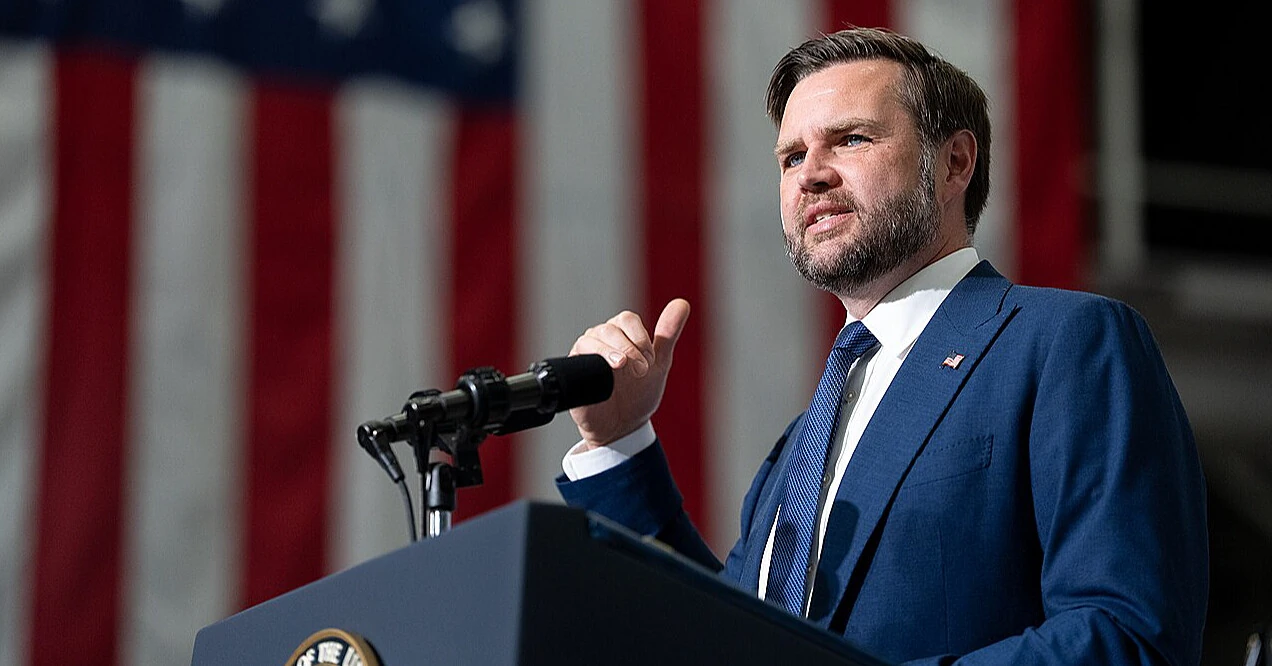
Ukraine has suspended strikes on oil tankers that use the Caspian Pipeline Consortium terminal in the Russian city of Novorossiysk. This happened after an appeal by US Vice President JD Vance, the Financial Times reports citing Ukrainian officials and other knowledgeable sources.
According to the publication, Vance raised the issue during a phone call with President Volodymyr Zelenskyy on July 31. Since then, Ukraine has not attacked tankers near the CPC terminal, as confirmed by an FT analysis of open data.
Washington was concerned about further destabilization of the oil market and losses for American companies. The Novorossiysk terminal exports oil supplied via a pipeline mostly from Kazakhstan.
According to FT’s information, Kyiv agreed not to attack the consortium's infrastructure and non‑Russian vessels, as long as they were not under Ukrainian sanctions and did not carry Russian oil or other cargo from the Russian Federation.
A US representative confirmed to the publication that the administration urged Ukraine to refrain from strikes on non‑Russian vessels in the Black Sea and on facilities of the Caspian Pipeline Consortium. Washington views this route as an important channel for the supply of Kazakh energy resources to Europe and an alternative to Russian oil.
The consortium includes stakes held by American energy companies Chevron and ExxonMobil. They also participate in the development of Kazakh oil fields that provide the throughput for the pipeline. In particular, Chevron owns 50% of the Tengiz field, and ExxonMobil – 25%.
The July attacks on the terminal and vessels forced Kazakhstan to temporarily suspend oil pumping to Novorossiysk, and led to an increase in freight and insurance costs. According to Kpler, in July the consortium shipped about 1.3 million barrels per day – 300,000 less than in June, and 600,000 less than in May.
One of FT’s sources claims that Ukraine agreed to the request of the Donald Trump administration because it is seeking a US licence to produce interceptor missiles for Patriot systems. Kyiv also hopes to purchase several hundred such missiles by winter, when Russia may intensify strikes on critical infrastructure.
At the same time, Ukraine continues attacks against Russian energy infrastructure in other regions. In August, Ukrainian forces struck several oil refineries deep inside Russia’s territory, reducing its oil‑processing capacity.
Source: Financial Times
