
USA and 40 other states urge advance warning of intercontinental missile launches within 24 hours
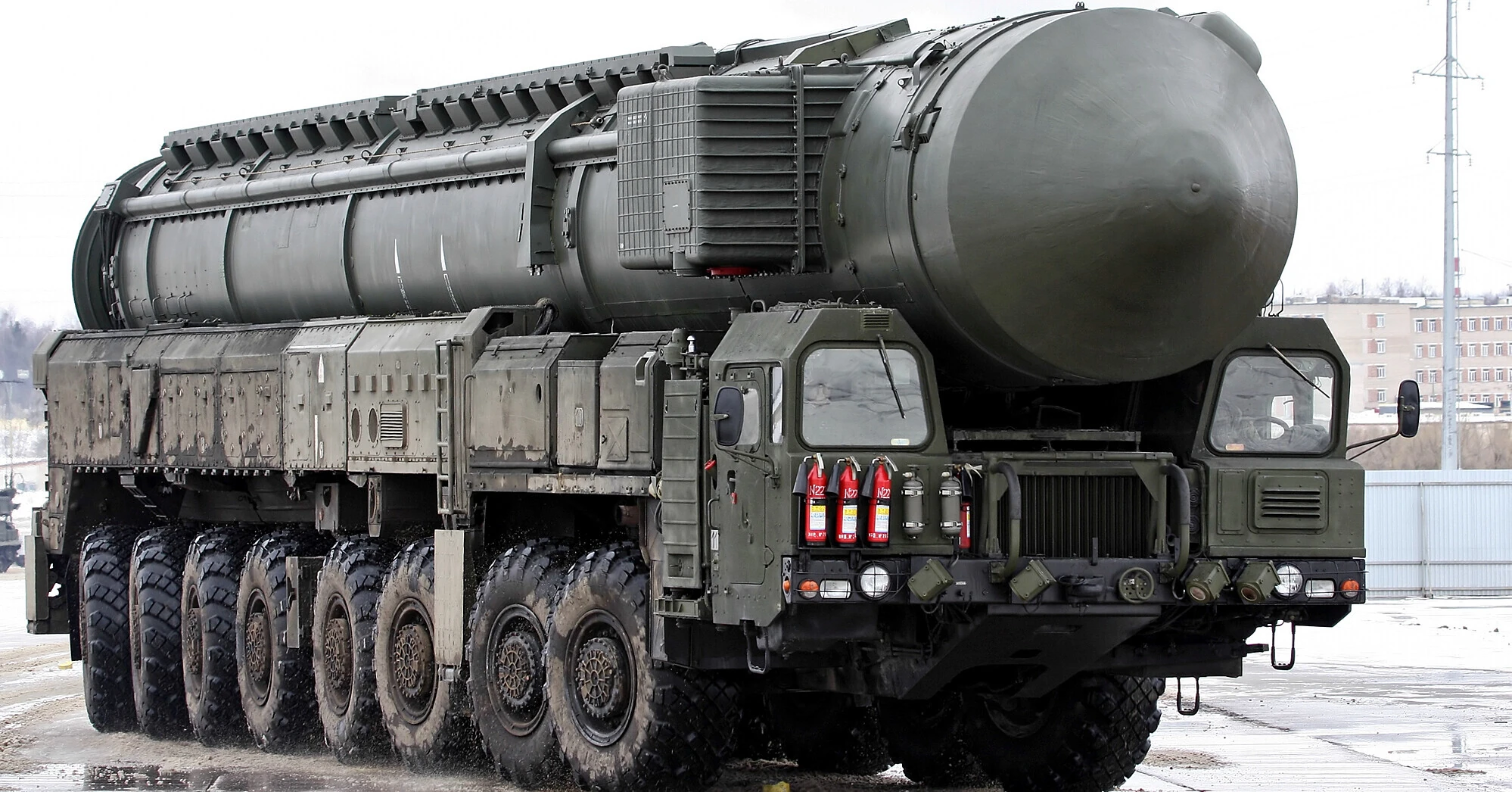
The United States and 40 other states, including Ukraine, have urged countries to warn about launches of intercontinental and sea-launched ballistic missiles at least 24 hours in advance.
The requirement also applies to space launch vehicles. States potentially affected by the launch should receive early notifications.
The warning proposes to indicate the general class of the missile or launch vehicle, the planned launch time window, the launch area and the flight direction. States must also inform pilots and mariners in advance about possible hazardous areas, including expected impact or landing zones.
The statement's authors explained that testing missiles capable of carrying nuclear weapons without sufficient warning increases the risk of miscalculation and poses a threat to countries located near the flight trajectory.
The document mentions recent missile activity in the Pacific region, during which standard notification rules were not followed. China is not directly named in the statement, but the document emerged after Beijing test-fired a submarine-launched ballistic missile in the open Pacific Ocean in July without advance notice.
Those who joined the statement include, among others, the USA, Ukraine, the United Kingdom, France, Germany, Italy, Japan, South Korea, Australia, Canada, Poland, Turkey and Nordic countries.
The signatories recalled that 145 states already participate in the Hague Code of Conduct against the Proliferation of Ballistic Missiles. This mechanism provides for information exchange on relevant launches.
According to the statement participants, transparent warning rules will not limit states' military programs but will help reduce the risk of accidental escalation and build confidence.
Based on materials from: U.S. Mission to International Organizations in Geneva, Yonhap
