
Even opening Hormuz won't bring all the oil back – the scale of the consequences is much bigger
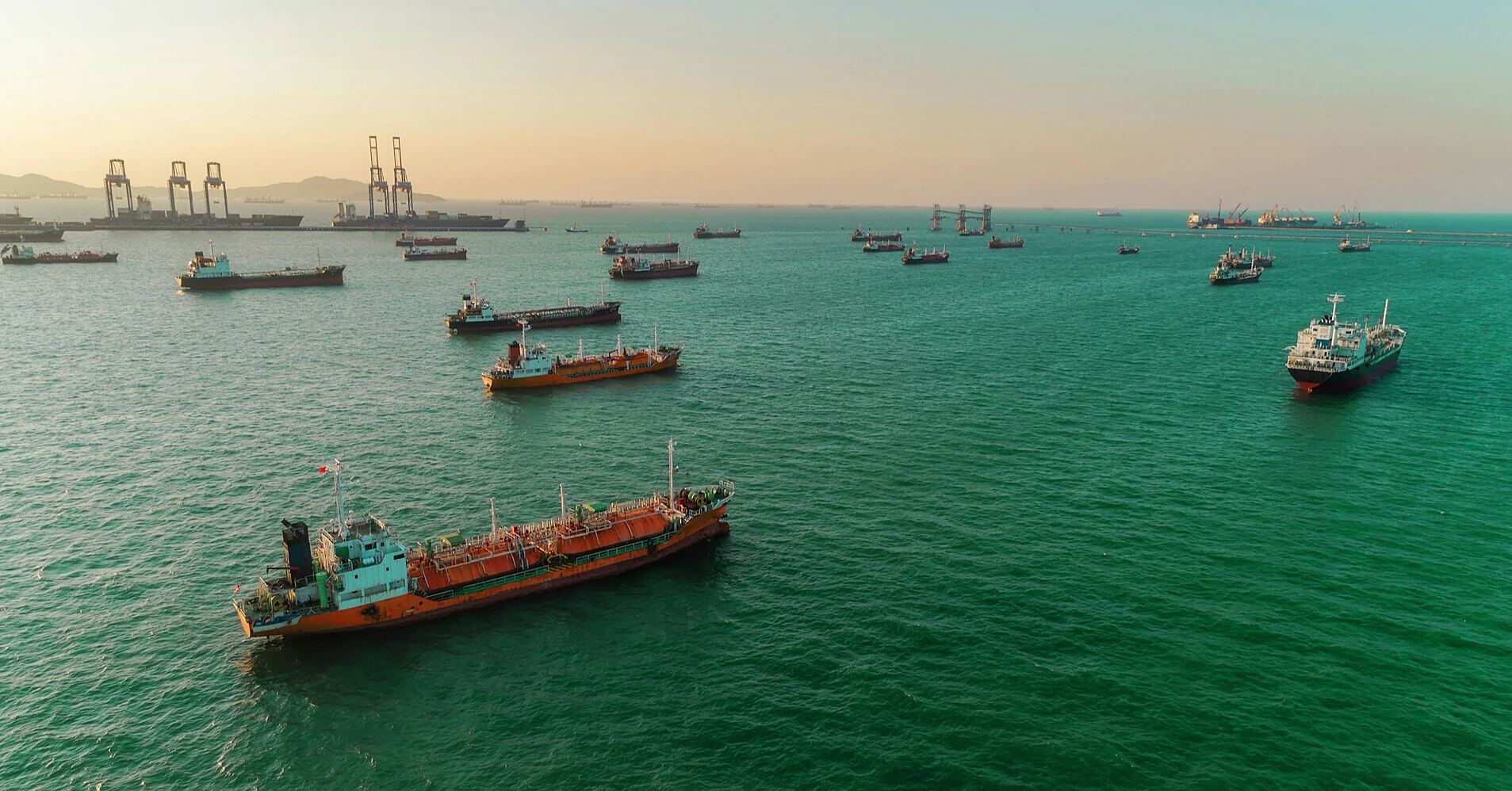
Even after shipping resumes through the Strait of Hormuz, the oil market won't quickly return to its previous state. According to a forecast, about 600,000 barrels per day of production in the Middle East could remain unavailable until the end of 2027.
The scale of losses is much larger: in July, due to attacks on energy infrastructure and shipping restrictions, regional countries shut down about 5.5 million barrels per day of production. That's more than 5% of global oil consumption.
Opening the Strait is not enough
After normalizing movement through Hormuz, producers will still have to restore damaged infrastructure and bring back shut-in capacity.
The bulk of production and trade flows are expected to return to pre-war levels by early 2027. But some capacity in Persian Gulf countries will take much longer to recover.
Risk of expensive oil persists
The International Energy Agency also warns of a larger supply deficit and a rapid drawdown in global oil inventories.
Against this backdrop, Brent oil moved close to $90 per barrel again. Prices are supported by the closed Hormuz Strait, attacks on vessels, and uncertainty around U.S.–Iran negotiations.
The key takeaway for the market is straightforward: even a political agreement and reopening Hormuz don't mean cheap oil will instantly return. The consequences of this crisis could still be felt for another year or more.
