
Moldova Halves Tariff for Transit of Ukrainian Cargo
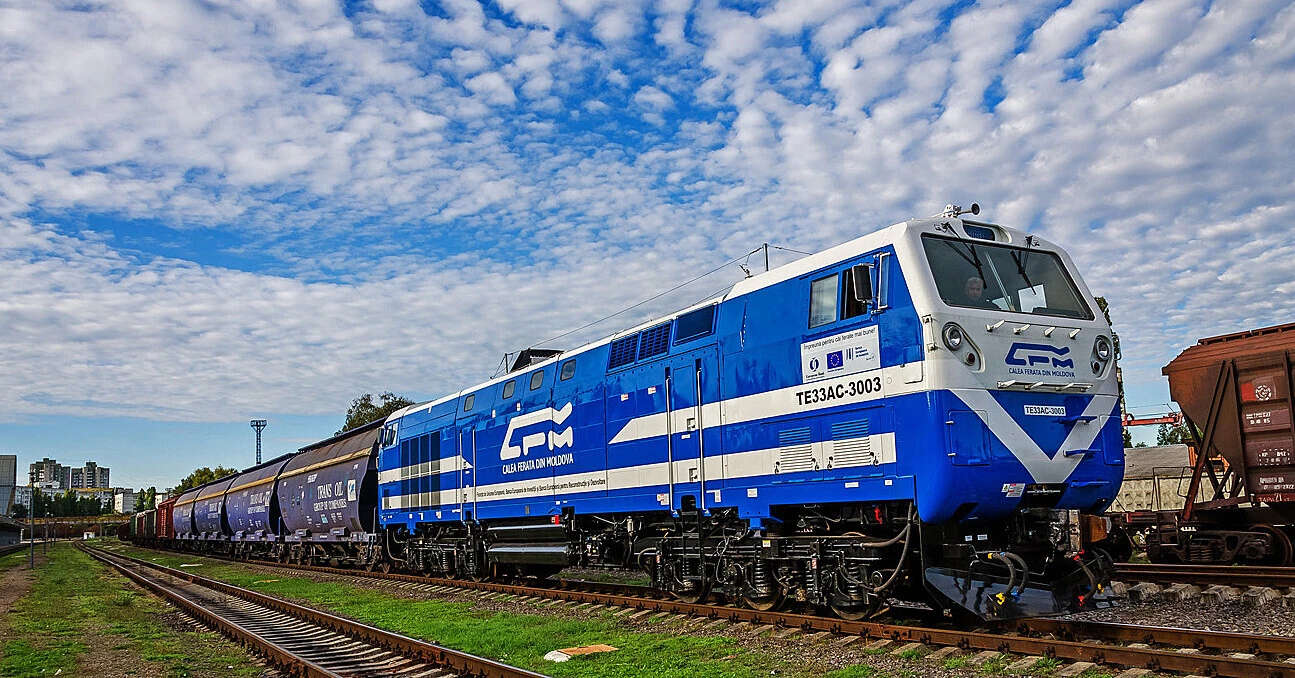
Moldova has introduced a 50% discount on transit rail transportation of Ukrainian cargo. The preferential regime came into effect on August 10 and will remain in force until the end of 2026.
The agreement was announced by Prime Minister of Ukraine Serhiy Koretskyi after a conversation with the head of the Moldovan government Vasile Tofan.
The discount is intended to reduce logistics costs for Ukrainian exporters and increase the competitiveness of an alternative route through Moldova. Its importance has grown amid Russian attacks and threats to civilian shipping in the Black Sea.
The announcement does not specify exactly which categories of cargo and rail routes the benefit applies to. The detailed conditions for applying the discount for specific shipments are to be provided by the railway operators of the two countries.
Previously it was reported that Ukraine is exploring alternative agro-export routes through Poland and Moldova. The new preferential tariff became one of the practical results of these negotiations.
Kyiv and Chisinau also agreed to improve passenger connections. Starting from August 17, the route of the Kyiv–Chisinau train will change, making transfers to the international airport of the Moldovan capital faster and more convenient.
The Moldovan side previously reported on equipping the Revaca station, located near Chisinau Airport, to serve passengers of the international train. A new name "Revaca-Airport" was planned for the station, along with modernization of the building and the establishment of a public transport stop.
The exact schedule and list of stops after the route change should be verified on the official resources of railway operators before traveling.
A separate area of cooperation remains the renewal of the locomotive fleet. It was previously reported that Moldova may transfer 20 locomotives to Ukraine. Their deployment could enhance the railway's capacity to transport cargo via alternative export routes.
Source: Serhiy Koretskyi
