
British scientists to create copies of human organs to accelerate drug development
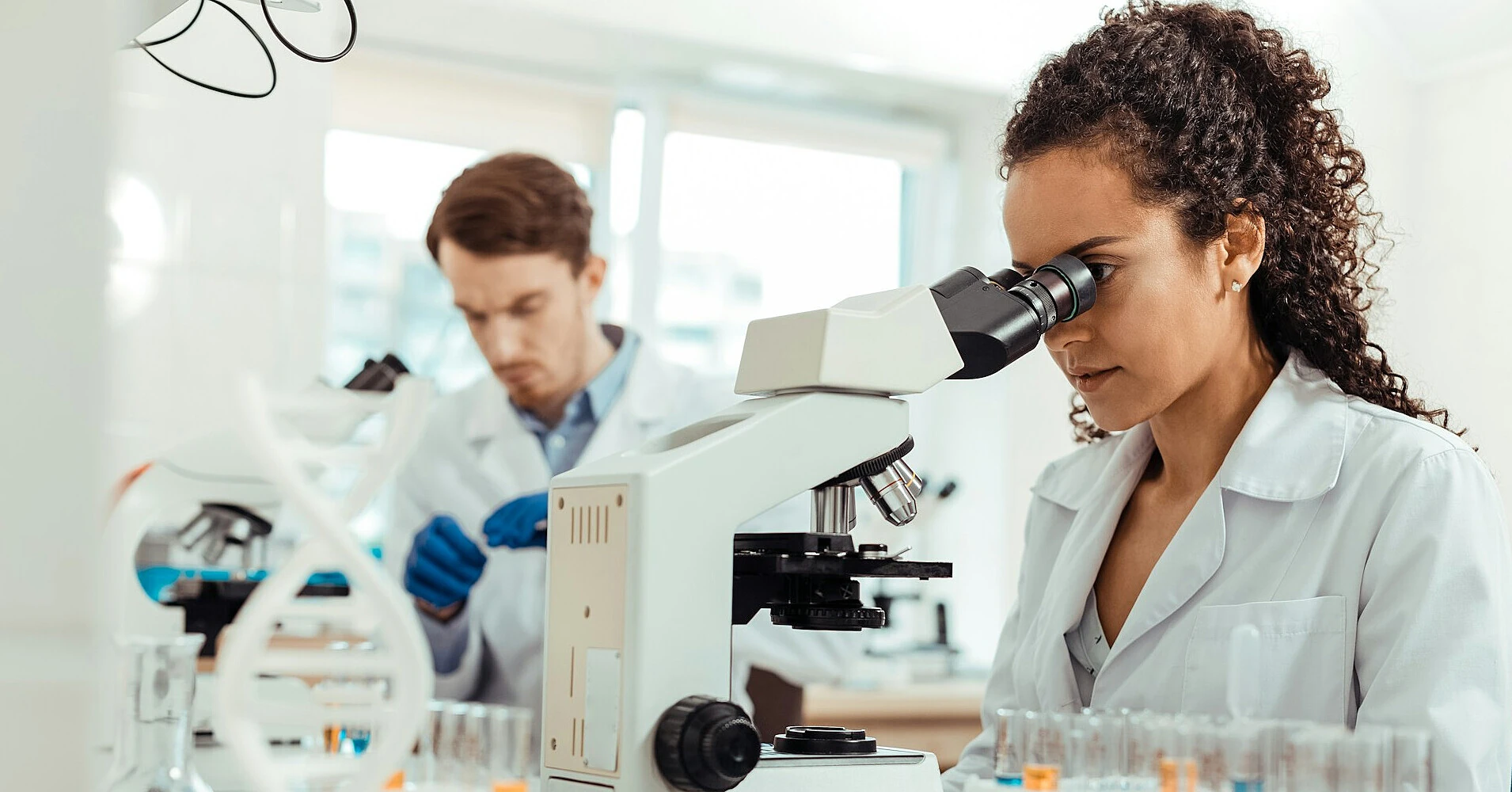
In the UK, scientists will grow miniature models of human organs from cells of patients of the National Health Service. They will be used to study diseases and test potential medicines.
A new research centre will operate in Cambridge and will receive £20 million from the UK’s Medical Research Council. Its specialists will create a library of standardised and validated organoids, which will be accessible to research institutions and pharmaceutical companies.
Organoids are three-dimensional clusters of tissue grown from human cells, less than a millimetre in size. They are not fully functional organs, but they can replicate some of their key features, including changes during diseases and the response to drug treatments.
Using cells from specific patients will make it possible to study why the same disease progresses differently and to determine which treatment methods work best for certain groups of people. Ineffective or toxic drugs can be filtered out at the early stages of development.
The first organoids to be created in Cambridge will be for research into inflammatory bowel diseases, including ulcerative colitis and Crohn’s disease. Other research groups will grow tumour models for testing cancer treatments, as well as brain organoids to study neurological conditions. As part of the programme, work is also planned with models of heart tissue that can contract.
Researchers hope that human tissues will provide more accurate results than animal experiments. According to data cited by the publication, over 90% of drugs that successfully pass animal trials subsequently fail in clinical trials involving humans.
At the same time, scientists do not expect organoids to completely replace animals in research anytime soon. Some bodily reactions cannot yet be reproduced using cell models, but the new technology should substantially reduce the number of such experiments.
In 2025, the UK conducted 2.54 million procedures involving animals — 3.8% fewer than the previous year. Over 90% of these involved mice, rats, fish and birds.
Separately, the state agency Innovate UK has allocated a further £2 million to nine projects aimed at reducing the use of animals during drug safety testing. Among the developments are heart cells in microscopic gel spheres and “organ-on-a-chip” systems that mimic the movement of a drug through the human body.
Source: The Guardian
