
Etna eruption paralyzes air traffic in Sicily: tens of thousands of tourists stranded
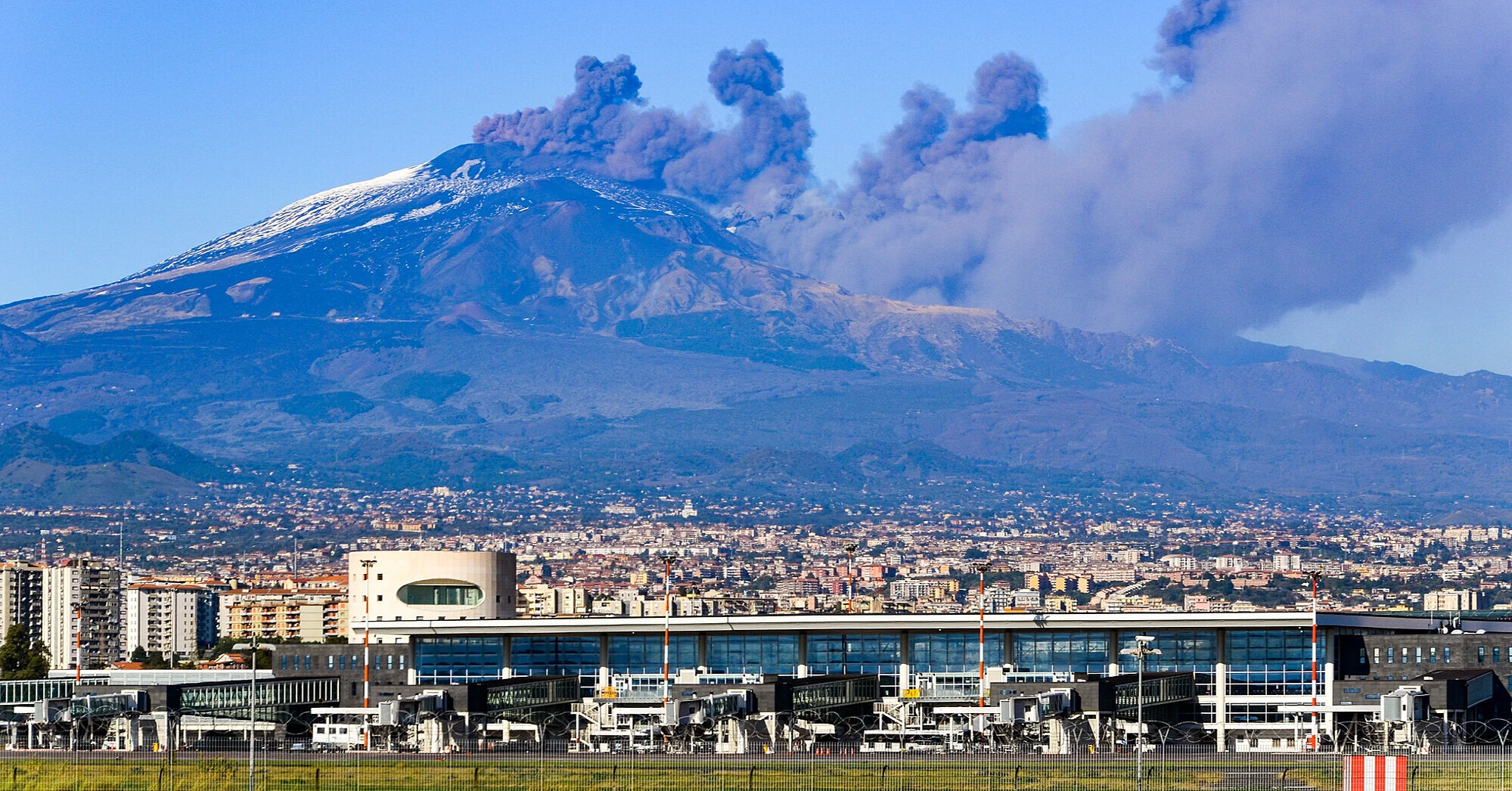
The eruption of Mount Etna, which has been ongoing for almost a week, has caused widespread disruptions to air traffic in Sicily. Since August 8, about 700 flights have been cancelled, rescheduled, or diverted at Catania Airport, affecting tens of thousands of passengers.
At the time of publication, arrivals and departures at Catania have been suspended until at least 02:00 on August 14. The validity period of restrictions may change depending on wind direction and the spread of volcanic ash.
The airport administration has urged passengers to check their flight status with the airline and not to travel to the terminal without departure confirmation. Some flights are being diverted to Palermo, Trapani, Comiso, and Lamezia Terme Airport on the Italian mainland.
What's happening with Etna
The Italian National Institute of Geophysics and Volcanology has recorded strong explosive activity in the area of Etna's summit craters. The ash plume is spreading mainly to the south and southwest - towards Catania and its airport.
A red aviation alert has been issued. It indicates a significant threat to flights, but is not a warning about the need for population evacuation. Lava flows are moving mostly through uninhabited areas of the Valle del Bove and Valle del Leone, so no direct threat to populated areas has been recorded at this time.
Experts cannot predict how long the active phase will last. The scale of aviation problems depends not only on the intensity of the eruption, but also on the wind: volcanic ash is hazardous to aircraft engines and can render runways unusable.
Blow to the tourist season
The eruption occurred at the peak of the summer tourist season. According to preliminary estimates by the local business association Assoesercenti, losses for Sicily's tourism industry could amount to between 12.8 and 24 million euros. This includes cancelled bookings, additional expenses for hotels and transport companies, and disruptions to tourist itineraries.
The situation has once again intensified the debate about Catania Airport's vulnerability to Etna's activity. It is one of the main transportation hubs of southern Italy, but during significant ash emissions its operations have to be partially or fully suspended.
What passengers should do
Passengers on cancelled flights are advised to contact the airline directly. Under EU regulations, they can choose a refund for the unused ticket or a change of route. The carrier must also provide meals, accommodation, and transfer if waiting for a new flight requires an overnight stay.
Volcanic eruptions are usually considered extraordinary circumstances, so standard monetary compensation for flight cancellation may not be paid. However, this does not cancel passengers' rights to a refund, alternative route, and necessary assistance. Tourists should keep receipts for self-paid hotels, meals, and transportation.
