
Court upholds Trump in dispute over cheap foreign parcels
The U.S. Court of International Trade upheld the decision of President Donald Trump's administration to revoke the de minimis duty exemption for cheap foreign parcels. This refers to a benefit that previously allowed goods valued up to $800 to be imported into the country without paying import duties.
The dispute arose after a lawsuit by Axle of Dearborn, operating under the Detroit Axle brand. The Michigan auto parts seller challenged the revocation of the exemption and sought a refund of duties paid.
The company cited, among other things, a U.S. Supreme Court decision that had earlier restricted the president's ability to impose certain tariffs under the International Emergency Economic Powers Act (IEEPA). The plaintiff argued that after that, the administration could no longer maintain the revocation of de minimis.
However, the Court of International Trade reached a different conclusion. It found that IEEPA allows the president separately to suspend the duty exemption for small shipments. Thus, the revocation of the exemption can remain in effect regardless of legal disputes over other tariffs.
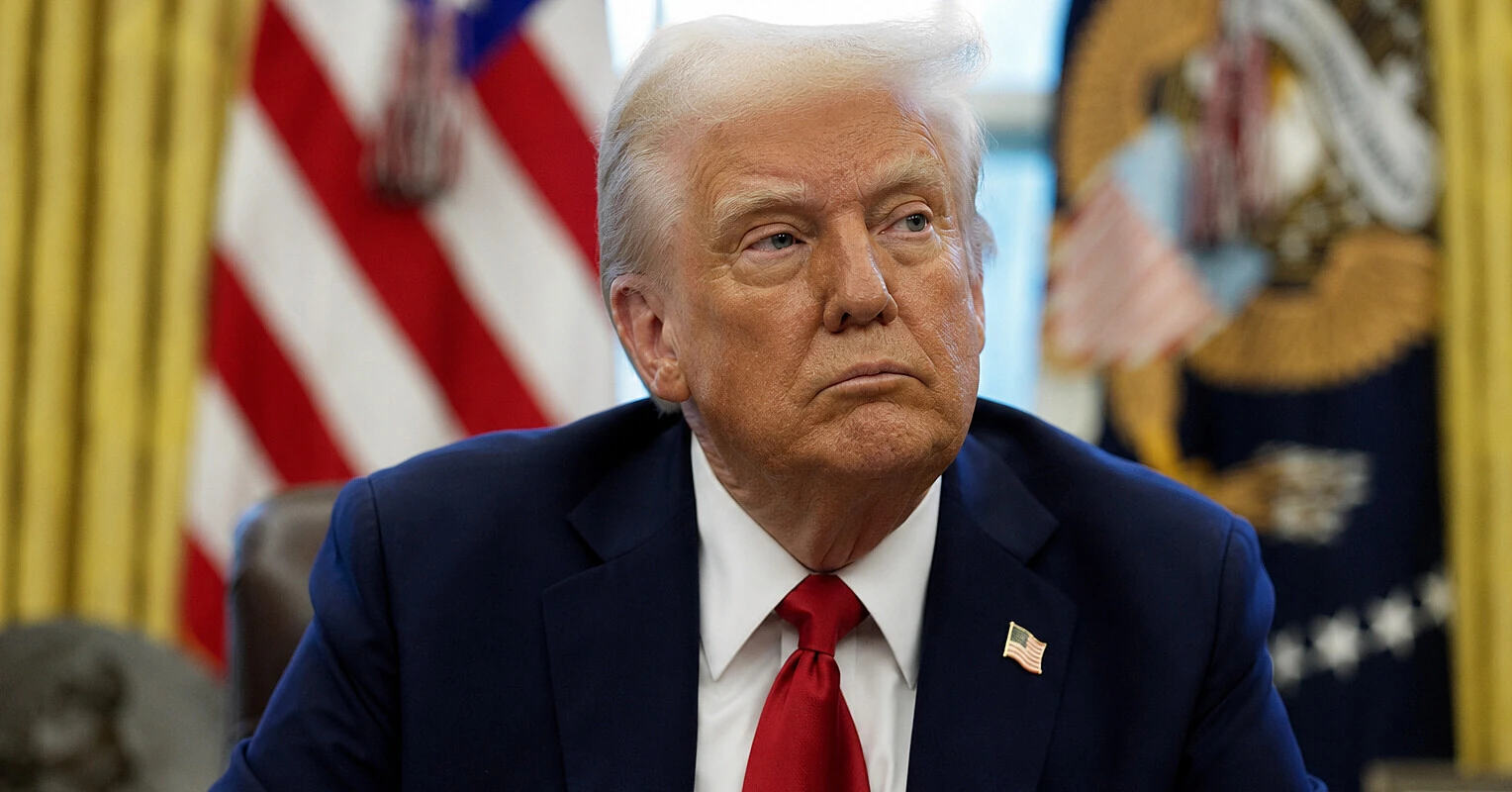
Trump called the court ruling a "big win" and said that the de minimis regime had become a major loophole for evading duties.
What has changed for cheap parcels
Before the rule change, goods valued at no more than $800 could enter the U.S. under a simplified procedure without the usual import duties. This mechanism was actively used by international online stores and marketplaces to send small orders to American customers.
The Trump administration began limiting de minimis as early as 2025, initially for certain categories of imports, and later extended the revocation of the exemption to shipments from all countries.
In February 2026, the White House, by a separate executive order, confirmed the continued suspension of the duty-free regime. Under the current rules, the exemption does not apply to shipments subject to restrictions, regardless of their value, country of origin, and method of delivery.
The court's ruling means that importers and trading platforms will have to continue to account for duties when sending to the U.S. goods that previously could fall under the de minimis threshold. For buyers, this may affect the final cost of inexpensive foreign orders.
Based on materials: The Straits Times, White House
