
Trump imposes 100% tariffs on drone imports
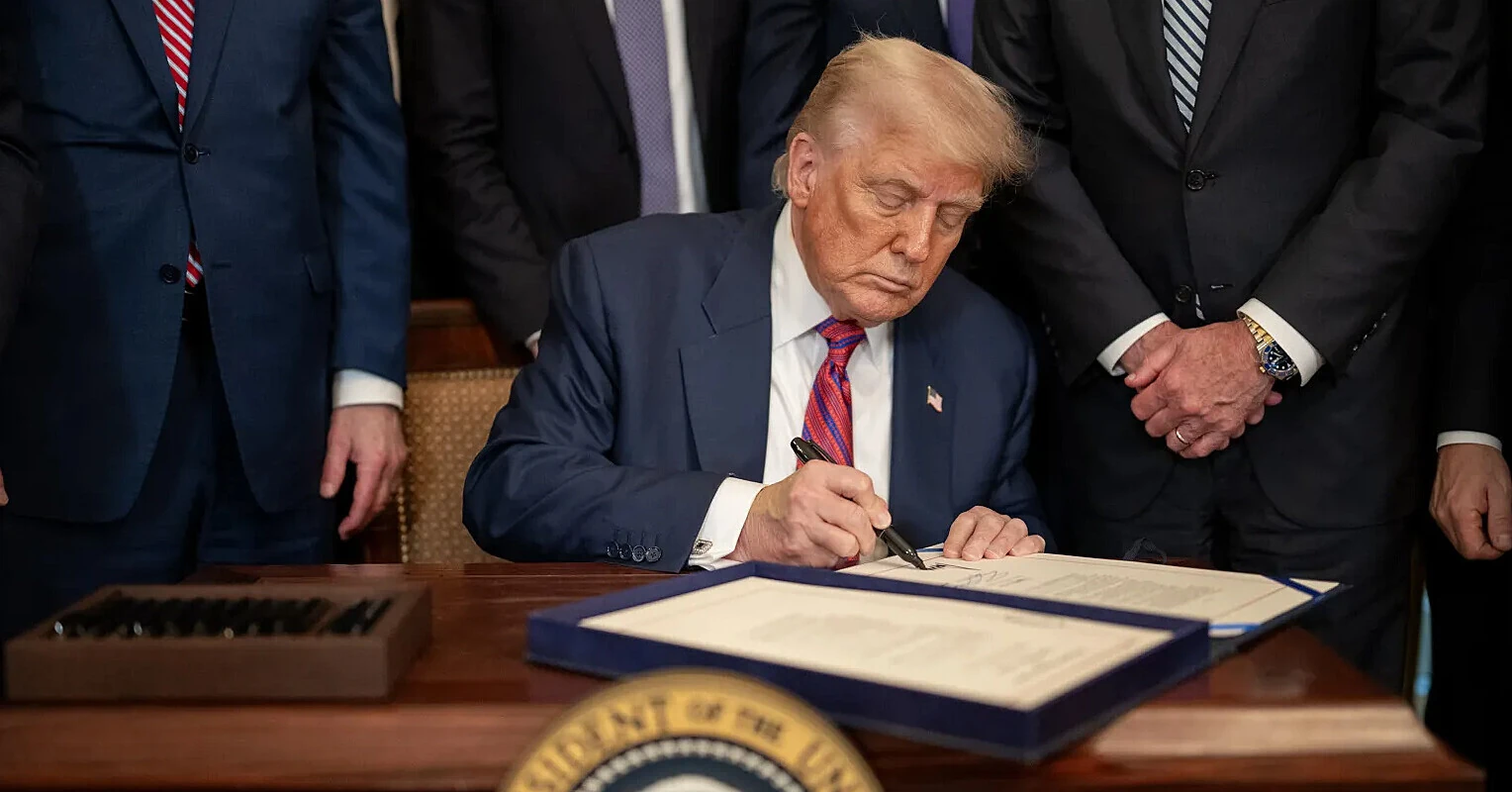
US President Donald Trump signed a proclamation on August 13 imposing new tariffs on imports of drones, their components, and related equipment. The maximum rate will be 100% of the customs value of the goods, but it will not apply to all drones.
A 100% tariff is established for drones that Washington considers particularly sensitive from a national security standpoint. This category includes, in particular, aircraft with a maximum takeoff mass of more than 25 kg and drones with thermal imaging capabilities. The same rate will apply to their docking stations and certain critical components.
For some smaller drones that do not have the critical capabilities defined by the administration, as well as for other components, a 25% tariff is provided. Thus, the announced decision does not mean imposing a single 100% rate on all imports of drones and their parts.
Separate conditions are established for a number of US trading partners. For products from the European Union, Japan, Liechtenstein, South Korea, Switzerland, and Taiwan, the rate will be 15%, and for the United Kingdom - 10%. The preferential regime will apply provided that virtually all equipment, software, and technologies originate from these countries or the United States. Ukraine is not listed in this list.
The bulk of the new tariffs will take effect 21 days after the signing of the proclamation. For components not classified as particularly sensitive, a longer transition period of 180 days is provided. The US Secretary of Commerce is also tasked with creating a program for companies that will make new investments in the production of drones and their components in the United States.
The White House explained the decision by national and economic security considerations. The Trump administration points to the dependence of American drone production on foreign suppliers of critical components and the associated risks for military systems and cybersecurity. Washington hopes to use the tariffs to accelerate the expansion of domestic production and the localization of supply chains.
Based on materials from: The White House
