
In July, civilian deaths in Ukraine again hit an all-time high
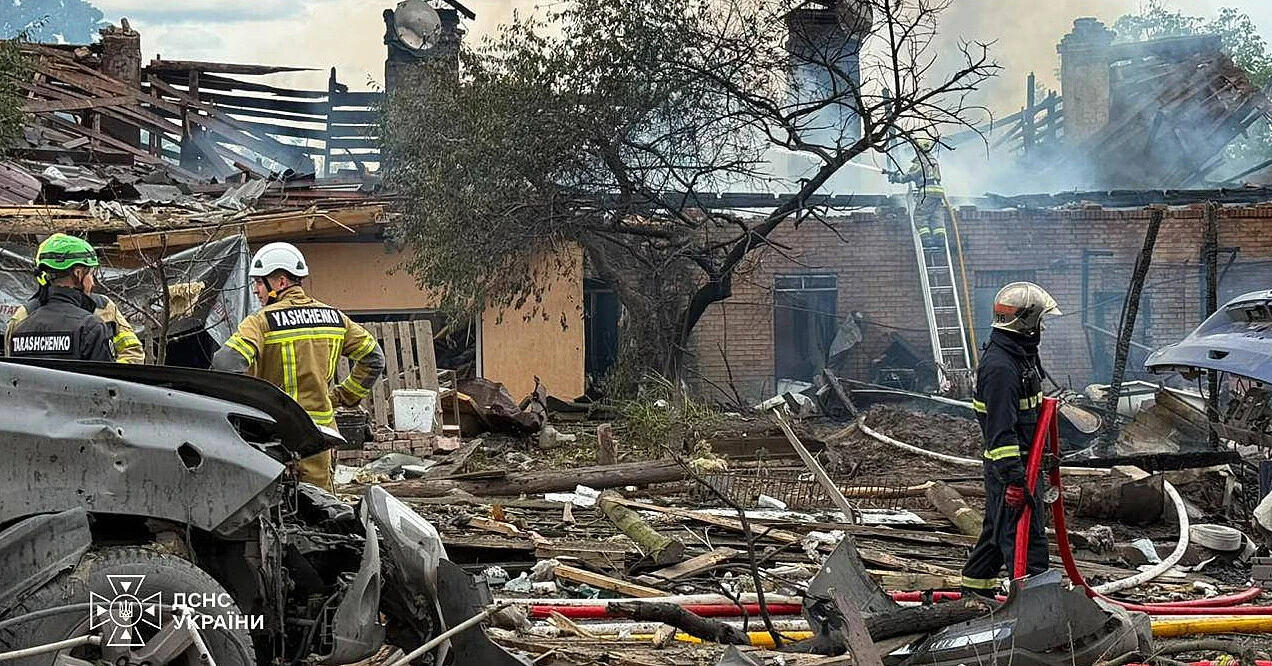
In July 2026, as a result of Russian attacks in Ukraine, at least 437 civilians were killed and another 2,610 people were injured. The death toll became the highest for a single month since May 2022, reported the UN Human Rights Monitoring Mission in Ukraine.
Overall, in July, the UN recorded 3,047 civilian deaths and injuries. This is 30% more than in June and 70% more compared to July 2025.
July continued the sharp deterioration in the situation that the UN has been recording over recent months. As wrote Current Ukraine, in June at least 293 civilians were killed and another 1,990 were injured. At that time, the total number of casualties already became the highest since April 2022. The July data exceeded that anti-record as well.
One of the main factors in the increase in casualties remains Russian missile and long-range drone strikes on populated areas, including far from the front line. At the same time, in frontline areas more and more civilians are being killed and injured as a result of short-range drone attacks.
In July, the number of affected children also sharply increased. According to the UN, 17 children were killed and another 166 were injured - this is the highest monthly indicator for children since April 2022.
The UN also recorded a significant increase in casualties from guided bomb airstrikes. Compared to June, this figure increased by 143%: as a result of such attacks, 105 civilians were killed and another 753 were injured.
Another 111 people were killed and 710 injured as a result of short-range drone strikes near the front line. These attacks accounted for 27% of all UN-confirmed civilian casualties in July.
The monitoring mission emphasizes that its statistics cover only cases that could be independently verified. The actual number of dead and injured may be higher, in particular due to limited access to occupied territories and areas of active hostilities.
Based on materials from: UN Human Rights Monitoring Mission in Ukraine
