
Polish opposition calls to expand agri-import restrictions from Ukraine
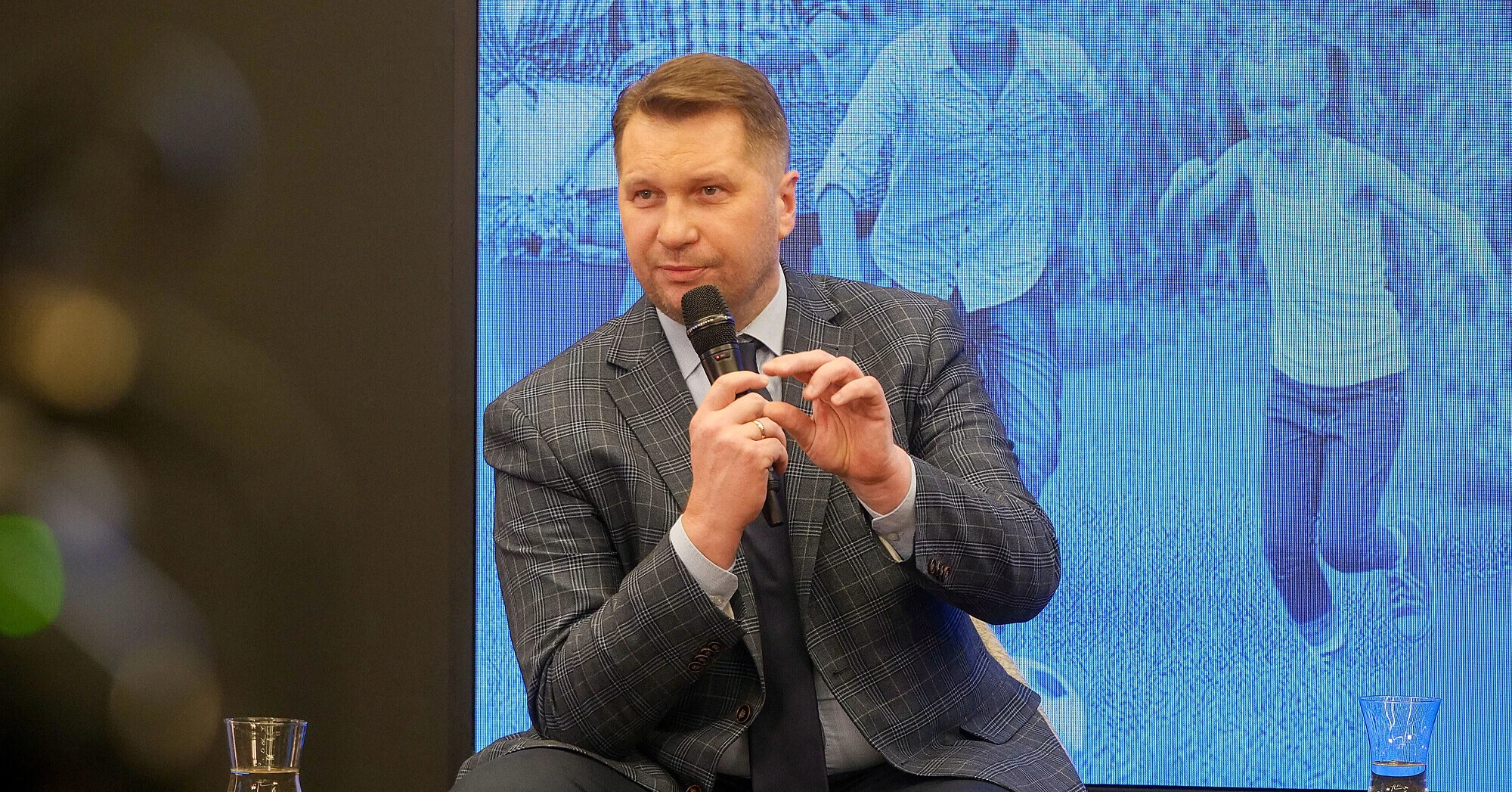
Polish MP from the Law and Justice party, Przemysław Czarnek, called not only to maintain the ban on Ukrainian grain imports but also to expand restrictions on processed agri-food products from Ukraine.
The politician said this during a press conference near the Polish-Ukrainian border crossing Dorohusk - Yahodyn, Onet reports.
Czarnek spoke out strongly against the possible lifting of current restrictions on Ukrainian grain imports. According to him, Poland should keep the ban introduced back in 2023.
"This blockade of Ukrainian grain cannot be lifted," the politician said.
At the same time, he proposed extending the restrictions to a wider range of processed agri-food products. Czarnek claims that their import creates unfavorable conditions for Polish producers.
The PiS representative also demanded stronger quality checks on products crossing the Polish-Ukrainian border. However, the specific list of goods on which he proposes to impose additional restrictions is not mentioned in the given statement.
Poland already maintains its own embargo
Poland continues to apply a national ban on imports from Ukraine of wheat, corn, rapeseed and sunflower, as well as certain products of their processing. Warsaw kept these restrictions even after the updated trade rules between Ukraine and the EU came into force in autumn 2025.
At the same time, Czarnek's statement is not a decision by the Polish government to introduce new trade restrictions. These are demands from an opposition politician to extend the current regime to additional categories of Ukrainian goods.
The issue of access of Ukrainian agri-products to the Polish market remains one of the most sensitive in trade relations between the two countries. Current Polish rules allow transit of products through the country under certain conditions, while restricting their import into the domestic market.
Source: Onet
