NYT Reveals the Scale of Russian Influence Campaign in Moldova
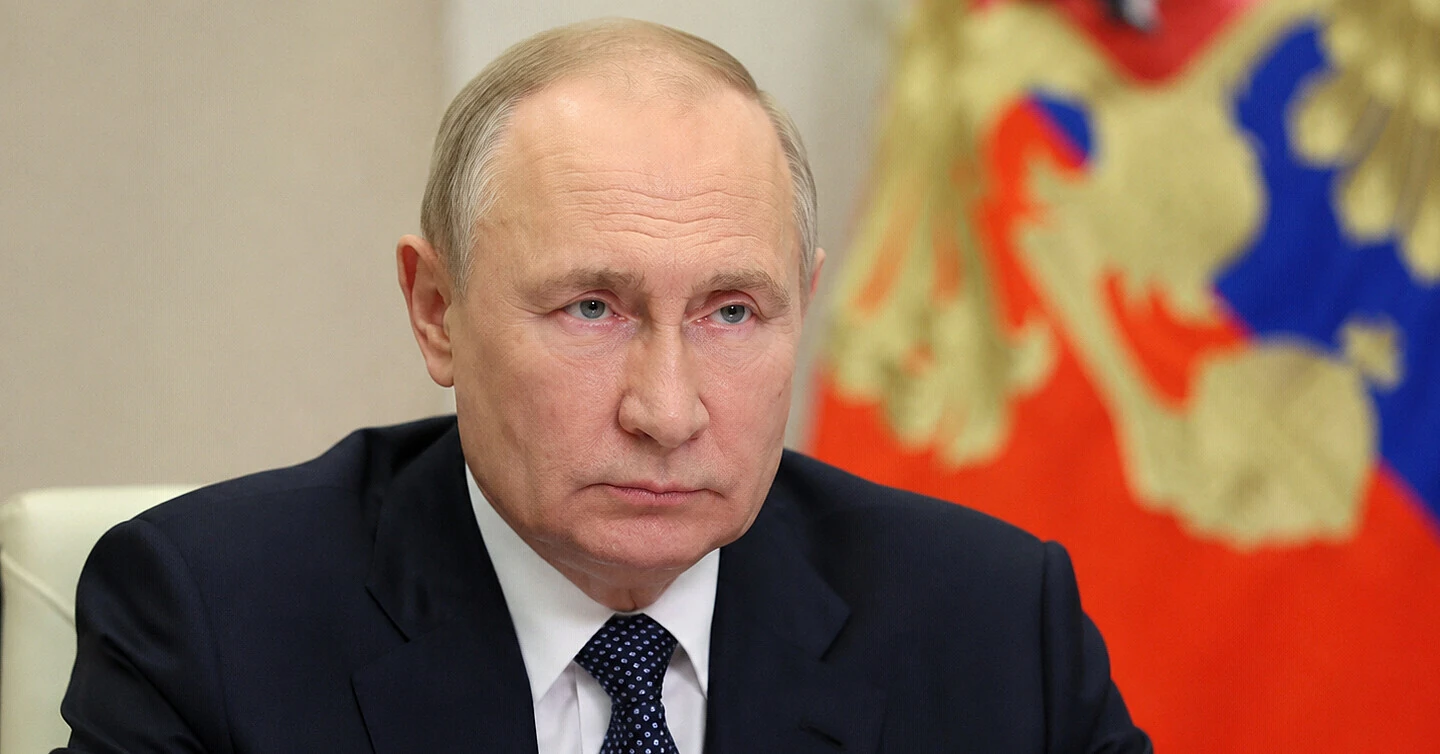
Russia has been building a multi-layered system of political influence in Moldova for several years, combining voter bribery, illegal financing, use of the Orthodox Church, disinformation, cyberattacks, and preparing people for street unrest. This is the conclusion reached by The New York Times in an investigation published on August 14. The publication calls Moldova a kind of testing ground where Moscow is trying out methods of hybrid influence on a pro-European state.
According to the NYT, the key goal of the campaign was to prevent Moldova's final consolidation on the European political course. The country received EU candidate status in 2022, officially began membership negotiations in 2024, and in June 2026 the European Union opened the first negotiating cluster with Chișinău — on fundamental issues, including the rule of law, democratic institutions and public administration reform.
Central to the described scheme is the network of fugitive Moldovan politician Ilan Shor. The Security and Intelligence Service of Moldova previously stated that an operational coordination center was established in Moscow to influence the 2024 presidential election and constitutional referendum. According to the Moldovan intelligence service, Shor received financial, media, personnel, logistical and technical resources to organize this activity.
One of the largest-scale tools was direct voter bribery. As the NYT writes, in September 2024 alone, about $15 million was transferred through Russia's Promsvyazbank to influence participants in the presidential election and the referendum on European integration. These data coincide with information from Moldovan law enforcement: police reported identifying more than 130,000 citizens linked to the scheme, and the money came through a Russian bank under international sanctions.
Later, the scale of the identified transfers turned out to be even larger. In October 2024, the head of the General Police Inspectorate, Viorel Cernăuțanu, stated that in September and October about $39 million had been directed through the Promsvyazbank transfer network for electoral corruption. According to police, the network included 130 territorial leaders, more than 1,900 people responsible for individual precincts, over 50,000 activists and tens of thousands of rank-and-file participants.
Another channel of influence, according to the NYT, is the Orthodox Church. According to the investigation, several hundred Moldovan priests traveled to Russia, where trips were organized for them, gifts and bank cards were handed out. After returning, some of the clergy, the publication claims, spread anti-European messages and narratives coinciding with Kremlin storylines. Information about the trips of hundreds of clergy members and their receipt of Russian bank cards also appeared in other investigations.
The connection between Russian structures and the use of the religious network has also been officially confirmed by the EU. In June 2026, the Council of the European Union imposed sanctions against six people for actions to destabilize Moldova. Among them was Russian citizen Anton Usov. According to the EU, he infiltrated church structures, coordinated the influence campaign through priests, gave instructions regarding influence on parishioners and helped conduct payments through Russian channels.
The campaign was not limited to money and propaganda. The NYT also draws attention to the preparation of Moldovan citizens for forceful provocations. This refers to training camps in Russia, Serbia and Bosnia and Herzegovina, where participants, according to the investigation, were taught to confront police, break through cordons and stage riots. The publication, citing intelligence data, links instructors of such groups to Russian military intelligence.
The very fact of such training was confirmed by Moldovan law enforcement agencies. In April 2025, the Organized Crime Prosecutor's Office reported sending to court the case of three people who underwent training in Bosnia and Herzegovina before the 2024 election and referendum. According to the investigation, they were prepared for mass riots, provoking protests, illegal resistance to law enforcement and the use of drones. During the arrest, drones, equipment for controlling them and other technical means were seized.
A separate direction of the Russian campaign, according to Moldovan authorities and the NYT, was information and cyber operations. The Security and Intelligence Service of Moldova reported that in 2024 it identified a network that systematically spread pro-Kremlin narratives, including those related to the war, through Telegram, TikTok and YouTube. The intelligence service also claimed to have prevented cyberattacks on electoral infrastructure and attempts to disrupt polling stations abroad with false bomb threats.
Moreover, such activity, according to European data, continued after the 2024 election. The Council of the EU asserts that structures linked to Shor participated in Russian-funded operations before the parliamentary elections in Moldova in September 2025. Among the methods used, Brussels lists vote buying, disinformation, recruitment and the organization of influence networks through the Russia-registered structure 'Eurasia'. In June 2026, new sanctions were introduced for such actions; in total, 29 individuals and five organizations were under this restrictive regime at that time.
Thus, the NYT investigation brings together previously disparate episodes into a single picture: instead of one operation around specific elections, it is about a long-term infrastructure of influence, where money, party structures, religious organizations, social networks and trained groups for street actions are used simultaneously. A significant portion of the individual elements of this scheme was previously documented by Moldovan law enforcement agencies, the intelligence service and EU institutions.
Moscow denied accusations of interference in Moldovan elections. The Kremlin stated that Russia does not interfere in Moldova's internal political processes and considers such claims unfounded.
Sources: The New York Times, Security and Intelligence Service of Moldova, Council of the EU