
Latvia asks EU to compensate for war consequences of €7 billion
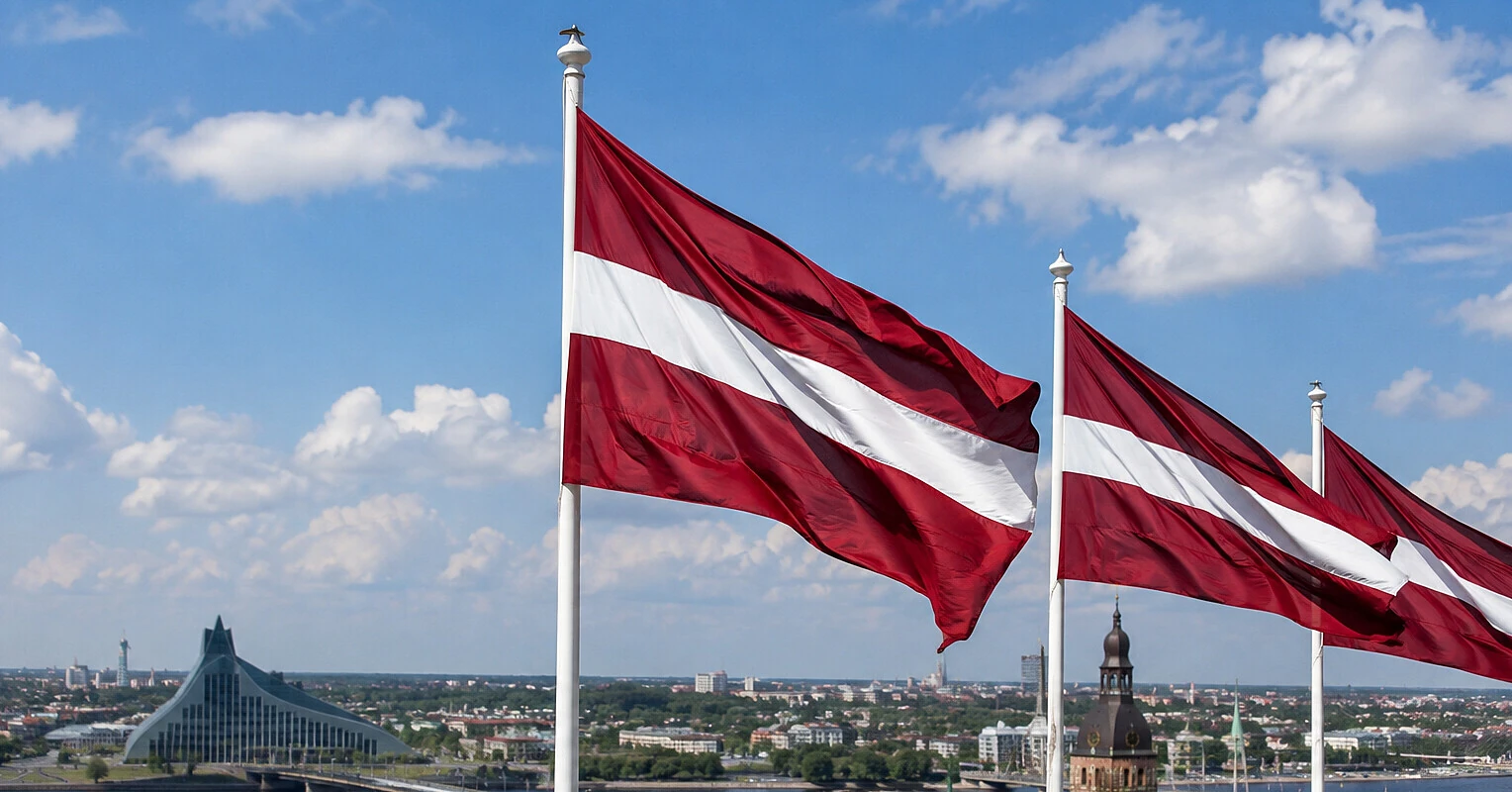
Latvia expects to receive about €7 billion in additional EU funding to compensate for the economic and infrastructure consequences of Russia's war against Ukraine. Riga intends to seek the allocation of funds within the EU's next long-term budget for 2028–2034.
Politico reports this, citing the position of the government of Latvian Prime Minister Andris Kulbergs. This is not about an already agreed payment: €7 billion is Riga's request, which is to be discussed with the European Commission and other EU member states.
Latvian authorities believe that countries on the EU's eastern border bear disproportionately high costs due to Russia's invasion of Ukraine. In addition to a sharp increase in defense and border protection spending, they have faced reduced trade with Russia and Belarus, declining freight transit, lower investment attractiveness of border areas, and the need to restructure transport and energy infrastructure.
The Latvian government is seeking to ensure that these features are separately taken into account when distributing EU budget funds. Among Riga's priorities are security and defense, support for eastern regions, strategic infrastructure projects, and compensation for the socio-economic consequences of changes in the geopolitical situation. Latvia's official position provides for additional funding for states and regions on the EU's eastern border.
The authorities pay special attention to Latgale and other territories bordering Russia and Belarus. Latvia fears further outflow of population and businesses from these areas. The government has previously stated that maintaining schools, medical services, housing, jobs, and economic activity in the border area is not only a social but also a strategic task: depopulation of eastern regions weakens the resilience of the EU's external border.
The war has also accelerated the actual severance of former economic ties with eastern neighbors. In February, the European Commission acknowledged that states on the EU's eastern border have faced weaker economic growth, higher inflation, reduced investment, tourism, and freight transport. Before Russia's full-scale invasion, more than 40% of Latvia's processed food exports went to the Russian market. In the hardest-hit eastern EU countries, rail freight volumes decreased by 75–80%.
At the same time, Latvia has sharply increased spending on security. In 2026, the country's defense expenditure is expected to approach 5% of GDP. Additional funds are being directed to military infrastructure, border strengthening, countering drones and other hybrid threats, civil defense, and development of the defense industry.
The European Commission has already recognized the special situation of eastern regions and developed a separate strategy for territories bordering Russia, Belarus, and Ukraine. Brussels believes that these regions need investment in transport, energy, military mobility, security, jobs, and economic resilience. However, there is still no separate large compensation fund that would fully cover such expenses.
Therefore, the main negotiations are moving to the formation of the EU budget for 2028–2034. Latvia, along with other eastern flank countries, seeks to make proximity to Russia and Belarus a separate factor in the distribution of European funds. Riga insists that spending on strengthening its border is simultaneously an investment in the security of the entire European Union.
Based on materials from: Politico, MFA of Latvia, European Commission
