
Trump refused to extend the agreement with Iran, oil prices reacted
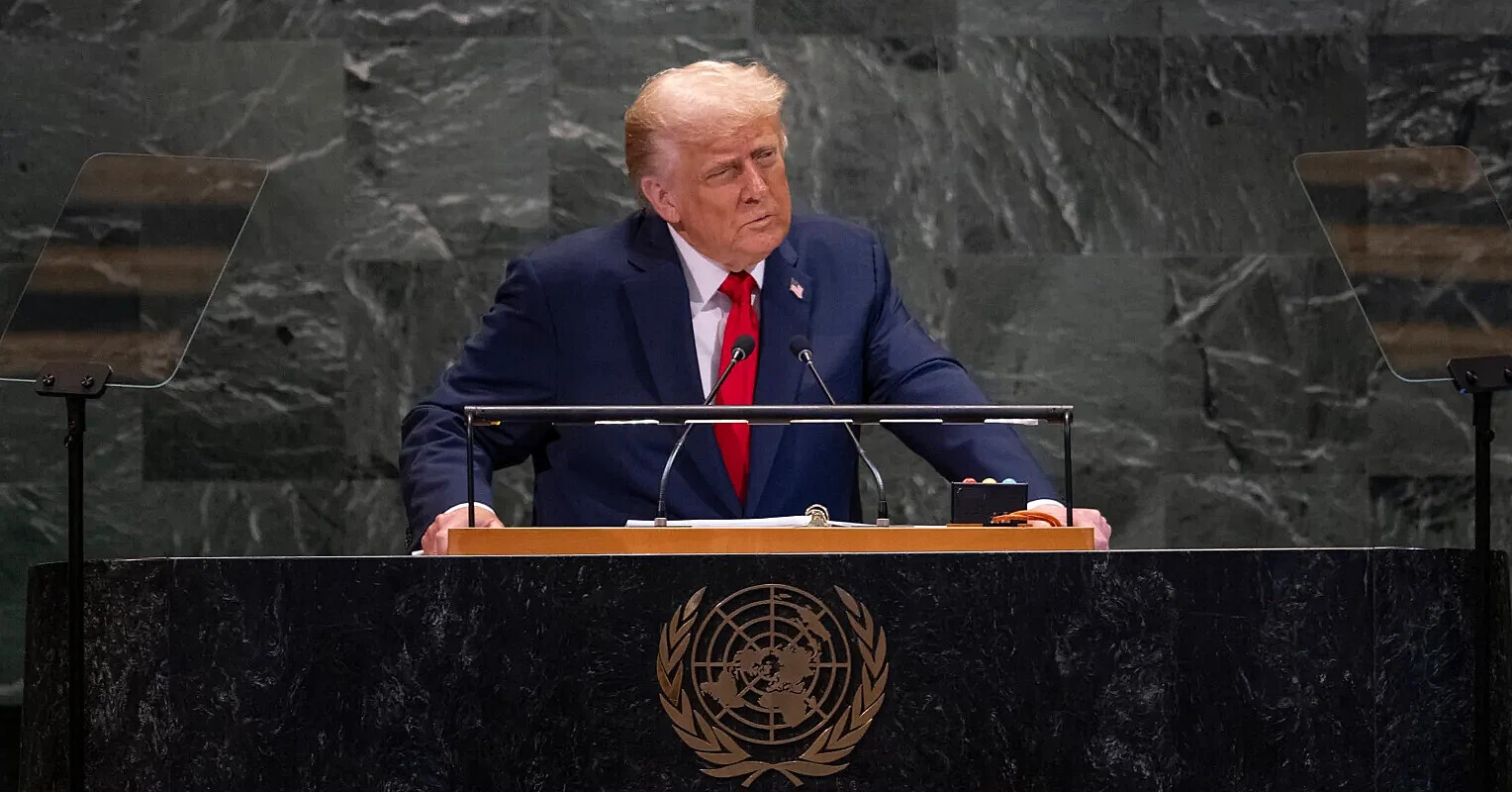
US President Donald Trump stated that Washington is not interested in extending the memorandum with Iran, the 60-day term of which expired on August 17. Amid deteriorating prospects for negotiations and a new incident in the Strait of Hormuz, Brent oil rose above $91 per barrel.
Answering journalists' questions whether the US would seek to extend the agreement, Trump responded negatively. He also stated that Iran should raise the 'white flag of surrender'. Tehran, for its part, considers the 60-day negotiation period as having lost its meaning due to, as the Iranian side claims, violations of the memorandum by the United States.
The US and Iran signed the memorandum on June 17 in France. It was to serve as a basis for ending hostilities and give the parties 60 days to prepare a long-term agreement, particularly regarding the Iranian nuclear program and restoring safe navigation through the Strait of Hormuz. The White House then stated that the agreement provided for its opening for free navigation.
However, the agreements began to fall apart long before the end of this period. In early July, the US and Iran again exchanged strikes, and Trump already then called the memorandum effectively over. Washington accused Tehran of attacks on civilian vessels, while Iran held the US responsible for the collapse of the deal.
Currently, the Strait of Hormuz remains the key point of contention. Trump insists that the US controls the waterway, while Iran conducts separate negotiations with Oman on a future scheme for ship traffic. According to Bloomberg, Tehran has announced agreement on a 'shipping map', but negotiations on the final mechanism are still ongoing.
Trump also threatened Oman with military strikes if the country, in his words, 'gets in the way' of Washington's plans regarding Iran. Muscat has traditionally acted as a mediator between the US and Iran and is currently involved in negotiations on the shipping regime in the strait.
Tensions in the region already directly affect maritime transport. On Tuesday, a vessel leaving the Strait of Hormuz was hit by an unknown shell or missile, Bloomberg reported, citing the British center UK Maritime Trade Operations. The engine room was damaged, and one casualty was reported.
Risks to shipping support high energy prices. On Tuesday, Brent exceeded $91 per barrel after trading at the highest levels since late July, while American WTI was near $85. Before the war, about one-fifth of global oil and gas flows passed through the Strait of Hormuz.
Additional uncertainty is created by conflicting statements regarding contacts between Washington and Tehran. Trump announced the existence of communication channels with representatives of the Islamic Revolutionary Guard Corps, but the Iranian side denied it. Meanwhile, the Iranian Foreign Ministry stated that the country's armed forces are ready to respond in the event of a new attack.
Sources: Bloomberg, Al Jazeera, White House
