
Egypt accused Rosatom of concealing safety problems at nuclear power plant
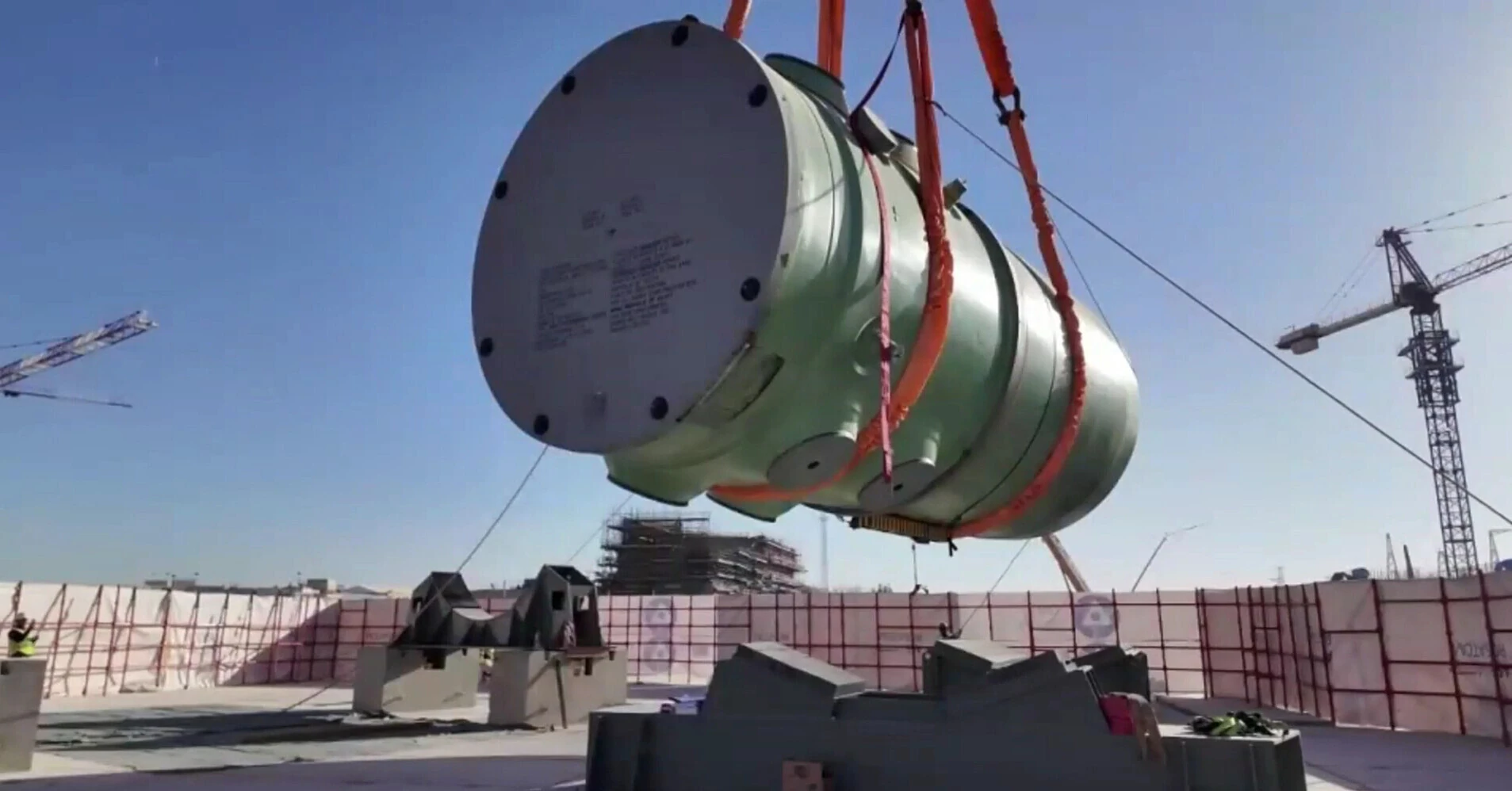
Egypt's Nuclear Power Plants Authority has lodged serious complaints with Russia's Rosatom over defects in concrete structures, safety issues, and potential falsified work during the construction of the El Dabaa nuclear power plant. An internal audit by the Russian corporation itself also warned of a risk that the first unit's startup could be delayed by around 18 months.
The problems were outlined in a confidential letter dated June 4 to Rosatom's management, as well as in internal documents of the Russian corporation seen by Politico. The Egyptian side described deficiencies affecting several units under construction.
Among them are repeated findings of serious concrete defects and voids behind the metallic lining on the fourth unit. Problems were also discovered in the foundation slabs of the first, second, and third units, the repair of which, according to the documents, took about a year. Another defect concerns the concreting of the cylindrical wall of the reactor building for the fourth unit.
The Egyptian Nuclear Power Plants Authority also accused the Russian contractor of employing misleading methods and carrying out "fictitious works" to demonstrate an inflated level of project readiness. According to the documents, Rosatom claimed that more than half of the construction work had been completed, while during the inspection, the main structures of the so-called nuclear island were still at the underground construction stage.
Additional complaints relate to safety arrangements at the construction site. The documents mention cases of workers storing alcohol, the use of counterfeit passes for unauthorized access, and the publication of photos and videos from the site on social media.
The Egyptian side also described a serious workplace incident in which a worker suffered an open fracture. He was reportedly taken from the site in a private car instead of a proper ambulance. The letter suggests that this may have been done deliberately to conceal the incident.
Problems were also noted in Rosatom's own internal documents. One 2025 audit project warned of a significant risk of failing to meet contractual obligations. It projected that the previous readiness date for the first unit could slip by about 18 months—from September 2028 to March 2030.
Rosatom rejected the claims, saying that construction is being carried out in accordance with high quality and nuclear safety standards. The corporation also emphasized the project's oversight by Russian and Egyptian authorities and the attention of the IAEA.
The El Dabaa nuclear power plant will be Egypt's first nuclear power plant. It is located about 320 km northwest of Cairo and will consist of four units with Russian-designed VVER-1200 reactors. In May, key equipment for the first two units was still being delivered to the site.
Egypt publicly expects to complete all four units by 2030, with the first unit scheduled to start generating electricity in 2028. At the same time, Rosatom's internal assessment indicates a risk of falling behind this schedule. Nuclear fuel has not yet been brought to the plant, so the identified problems relate to the construction phase.
The project also has relevance for Europe: Rosatom is building similar VVER-1200 reactors at the Paks-2 nuclear power plant in Hungary. In July, Germany also authorized the production of fuel assemblies for Russian-type reactors using technology from a Rosatom subsidiary, with additional restrictions because of spying and sabotage risks.
Based on materials from: Politico, Egypt's Nuclear Power Plants Authority
