
NATO prepares response scenarios for possible Russian attack in the Baltics - Bild
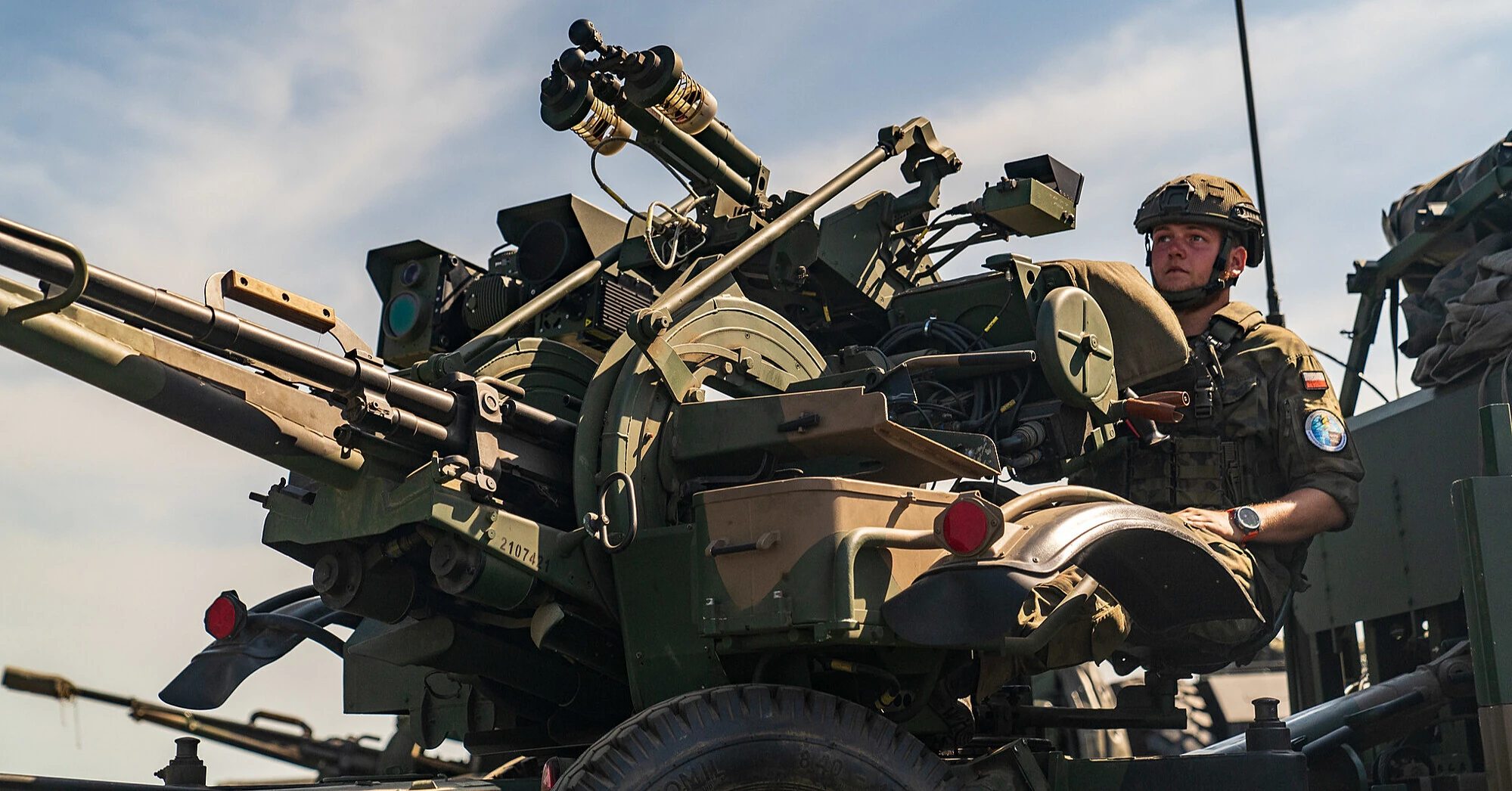
NATO is working out the defense of its eastern flank in increasingly greater detail in case of a possible Russian attack on the Baltic states. The concept involves extensive use of drones and robotic systems, suppression of Russian missile assets, and the possibility of strikes on military and logistical targets on Russian territory, Bild writes.
During a visit to the U.S. Army Europe and Africa command, the publication's journalist was shown a visualization of the new concept for conducting land warfare. Bild describes three main elements of a possible Alliance response to a scenario in which Russia attacks Estonia, Latvia, or Lithuania with missiles and drones and then switches to a ground offensive.
Suppression of Russian missile systems
The first task in such a scenario would be to stop Russian missile and drone strikes. According to Bild, this would involve the use of aviation, missiles, and drones against the systems from which Russia is shelling.
One potentially important area is the Kaliningrad region, where Russia deploys air defense systems and missile complexes. The goal of such actions would be to weaken Russia's ability to strike and threaten NATO aviation.
"Autonomous zone" on the eastern border
The second element involves creating a so-called autonomous zone along the borders with Russia and Belarus. The first line of deterrence there would be networks of sensors, aerial drones, and unmanned ground vehicles to reduce the need for constant military presence directly in the most dangerous zone.
The existence of this development direction is also confirmed by official materials from the U.S. military. The Eastern Flank Deterrence Initiative, or EFDI, uses unmanned and minimally manned systems combined with a command and control network and real-time data. Their task is to help NATO compensate for a potential adversary's advantage in mass and tempo of advance.
The concept is already being tested during exercises on the eastern flank. In 2026, NATO tested autonomous systems, counter-drone means, sensors, and data exchange, particularly in the Baltic states and Poland.
Strikes on military logistics in Russia
The third element described by Bild is hitting military and logistical targets on Russian territory if Russia starts a war against a NATO country. This includes, in particular, airfields, defense industry enterprises, military bases, bridges, and railways through which troops and equipment could be moved.
According to the publication, such a scenario also considers the use of special operations forces, drones, and ground robots deep inside Russian territory. Bild also writes about the possibility of deploying unmanned systems for strikes on airfields and military bases.
The concept's goal is described not as seizing Russian territory, but as stopping the invasion, pushing Russian forces out beyond NATO borders, and depriving them of the ability to continue the offensive.
Specific strikes on Russia not officially confirmed
At the same time, the details described by BILD should not be taken as an approved NATO operational plan for war with Russia. A U.S. military representative stressed to the publication that assumptions about specific operations in a conflict with Russia are speculative and do not represent the official position of NATO or U.S. Army Europe and Africa.
Officially, EFDI is defined as a broader deterrence initiative on the eastern flank. It is meant to enhance early detection of attack, data exchange, counter-drone measures, use of robotic systems, and the ability of allies to quickly respond to an attempt to break through NATO borders.
Based on materials from: Bild, U.S. Army Europe and Africa, Defense News
