
Russian army losses exceed replenishment, Kremlin may need mobilization - HUR
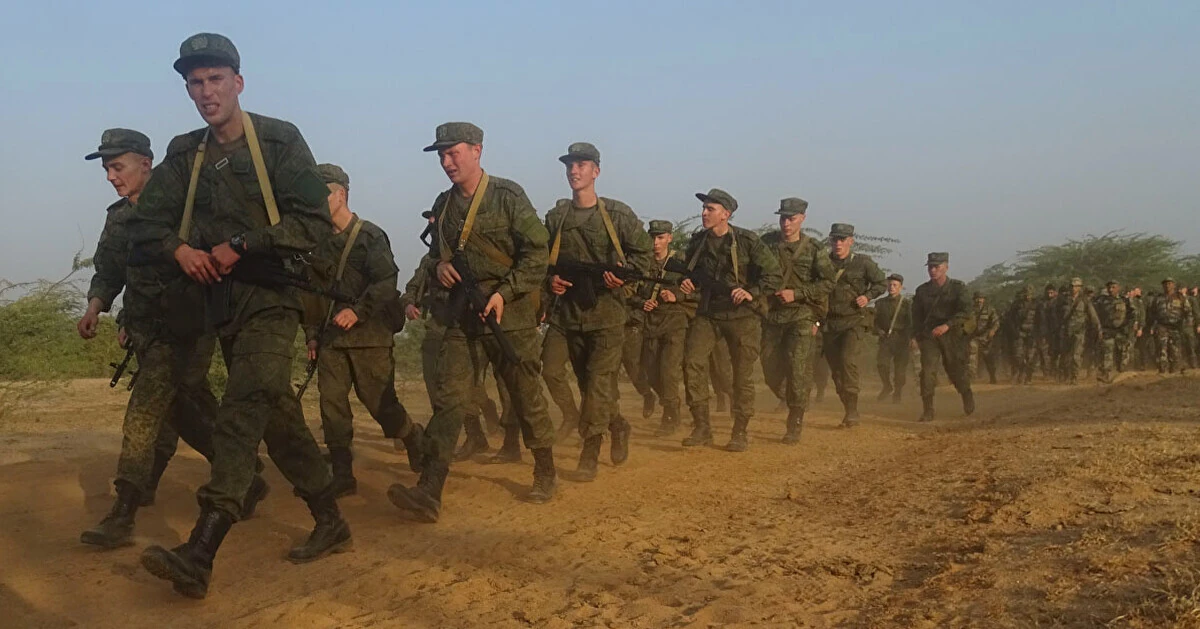
Losses of the Russian army already exceed the number of new contract soldiers, and the shortage of personnel prevents Russia from forming new military units. At the same time, Moscow is failing to staff new unmanned systems forces and is expanding recruitment among convicts. The HUR believes that without a new mobilization, the Kremlin will find it difficult to significantly increase the army's size.
Deputy Chief of the Main Intelligence Directorate of the Ministry of Defense, Major General Vadym Skibitskyi said this in an interview, as reported by journalist of the publication "RBC-Ukraine" Uliana Bezpalko.
According to military intelligence, in June the total losses of the Russian army were about 39,000 people. At the same time, approximately 36,000 people signed a contract with the Russian Ministry of Defense that month. In July, losses were at least 40,000 killed and wounded, while about 39,000 contract soldiers were recruited.
Thus, the current contract recruitment no longer covers the losses of Russian troops. According to Skibitskyi's assessment, the combat component of the Russian group fighting against Ukraine currently numbers about 670,000 servicemen, with approximately 65,000 in operational reserve. These figures have not changed significantly recently.
"Without mobilization they cannot form new units. The Russian command plans to form divisions from existing combat brigades, but there is insufficient personnel for this", - stated Skibitskyi.
Recruitment to drone forces only 30% fulfilled
Problems with personnel also arose during the formation of Russian unmanned systems forces. According to HUR, the recruitment plan for these units is only about 30% fulfilled.
The Russian command expected to attract a significant number of young people to the new branch of the military, but expectations did not materialize. Now, to staff unmanned units, Moscow is forced to transfer servicemen from other branches and types of troops.
Overall, for 2026 the Russian authorities set a task to recruit 409,000 people. However, at the same time the Kremlin continues to look for additional reserves to replenish the army.
28 thousand people with criminal records recruited into the army
One such source has been convicts. Skibitskyi reminded that the Russian authorities reduced the list of crimes that prevent signing a contract for military service.
According to him, many convicts for serious criminal offenses received the opportunity to sign contracts. HUR estimates the number of people from these categories who have already signed contracts at approximately 28 thousand.
Despite this, Russian losses continue to absorb a significant part of the new replenishment. It is the shortage of people that Ukrainian intelligence calls one of the factors that may push the Kremlin to a new wave of mobilization.
Ukraine expects possible mobilization after Russian elections
Ukrainian officials have repeatedly stated in recent months that Russia is preparing for a new mobilization. President Volodymyr Zelenskyy reported on August 11 that, according to Ukrainian intelligence, Moscow is preparing to mobilize several hundred thousand people in the fall.
According to Zelenskyy, the campaign may begin after the elections to the State Duma of the Russian Federation, scheduled for September 20. This involves additional recruitment beyond the current system of attracting military personnel under contract.
Skibitskyi also links the possibility of mobilization to the period after the Russian elections, but emphasizes that the decision cannot be considered confirmed yet. According to him, intelligence expects concrete signs of mobilization measures after the vote, since conducting a large-scale campaign covertly is practically impossible.
Thus, current HUR data shows why the issue of new mobilization remains relevant for the Kremlin: contract recruitment no longer compensates losses, the creation of new units is limited by lack of people, and even priority unmanned systems forces are being staffed significantly slower than planned.
