
Russian business transferred almost 400 billion rubles to the budget after Putin's call
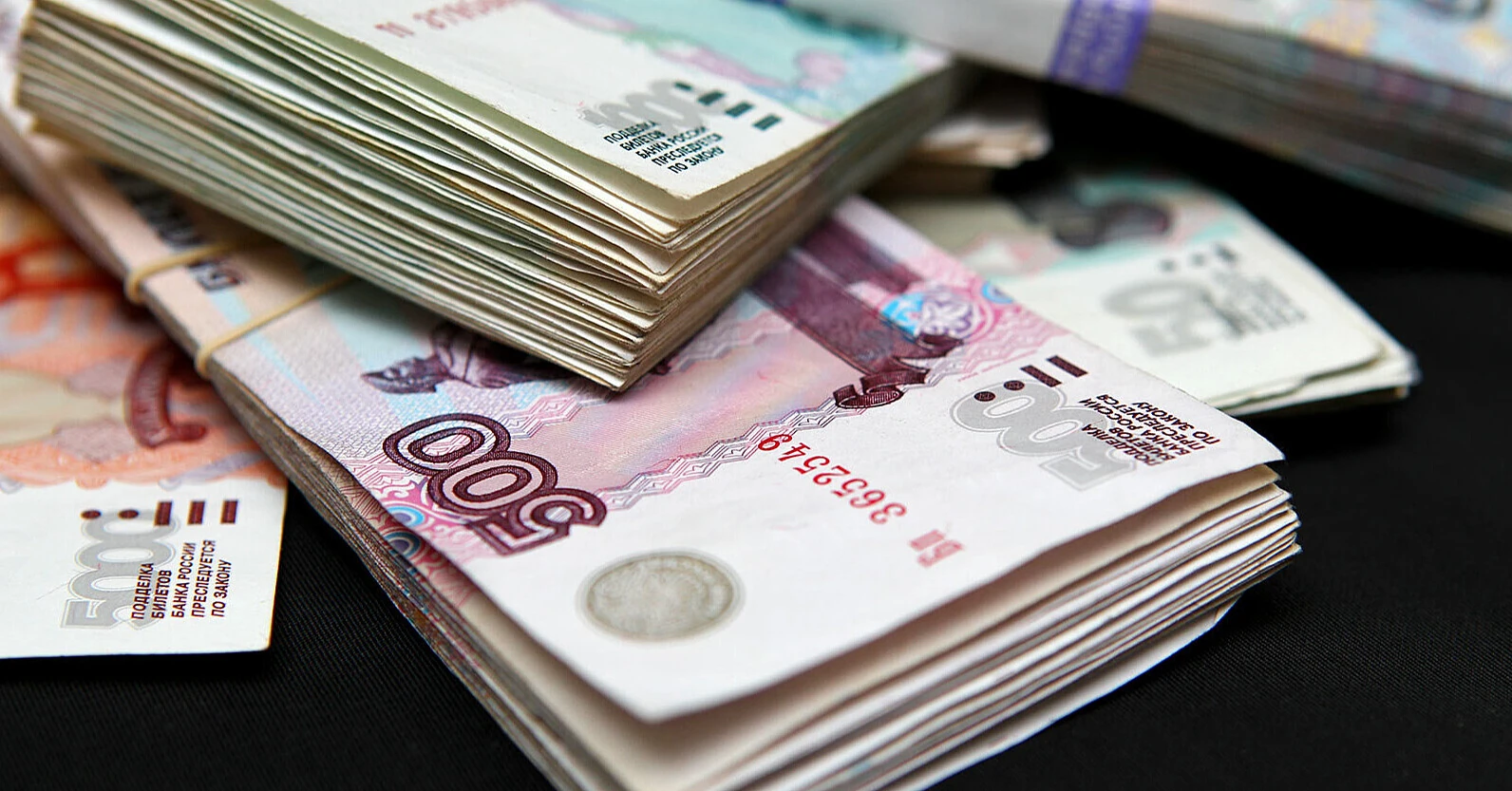
Large Russian businesses sharply increased gratuitous transfers to the federal budget after the March meeting of entrepreneurs with Vladimir Putin. As of mid-August, the amount of such receipts reached 383.69 billion rubles, while before the meeting it was only 15.6 billion rubles.
Russian media write about this with reference to data from the Russian "Electronic Budget" system. Thus, over several months, the volume of gratuitous receipts from non-governmental organizations increased almost 25 times.
The sharpest jump occurred immediately after Putin's meeting with representatives of big business in March. Already in the next month, the amount of transfers increased approximately tenfold - to 159.7 billion rubles.
In May, receipts grew by another 45.5%, in June - by 27%, and over July and the first half of August - by about another 30%. As a result, the total amount approached 384 billion rubles.
Business calls contributions voluntary
Head of the Russian Union of Industrialists and Entrepreneurs Alexander Shokhin previously admitted that Russian business helps the federal budget. At the same time, he emphasized that specific amounts for entrepreneurs were allegedly not set, and the transfers are "voluntary" in nature.
According to him, funds came not only directly from companies, but also from family foundations of large businessmen.
Meanwhile, media with reference to their sources reported that at the March meeting with business, Putin spoke about continuing the war against Ukraine and suggested that entrepreneurs additionally help the budget. It was after this meeting that the volumes of gratuitous transfers began to grow rapidly.
Earlier, Russian sources reported that the government expected to receive from business about 300 billion rubles of such contributions by the end of 2026. In fact, by mid-August this amount was exceeded by more than 80 billion rubles.
Additional receipts became especially important for the Russian authorities against the backdrop of significant federal budget expenditures and a growing deficit, largely related to the financing of the war and the defense sector.
