Indian diesel returns to Ukrainian market: customs eases restrictions
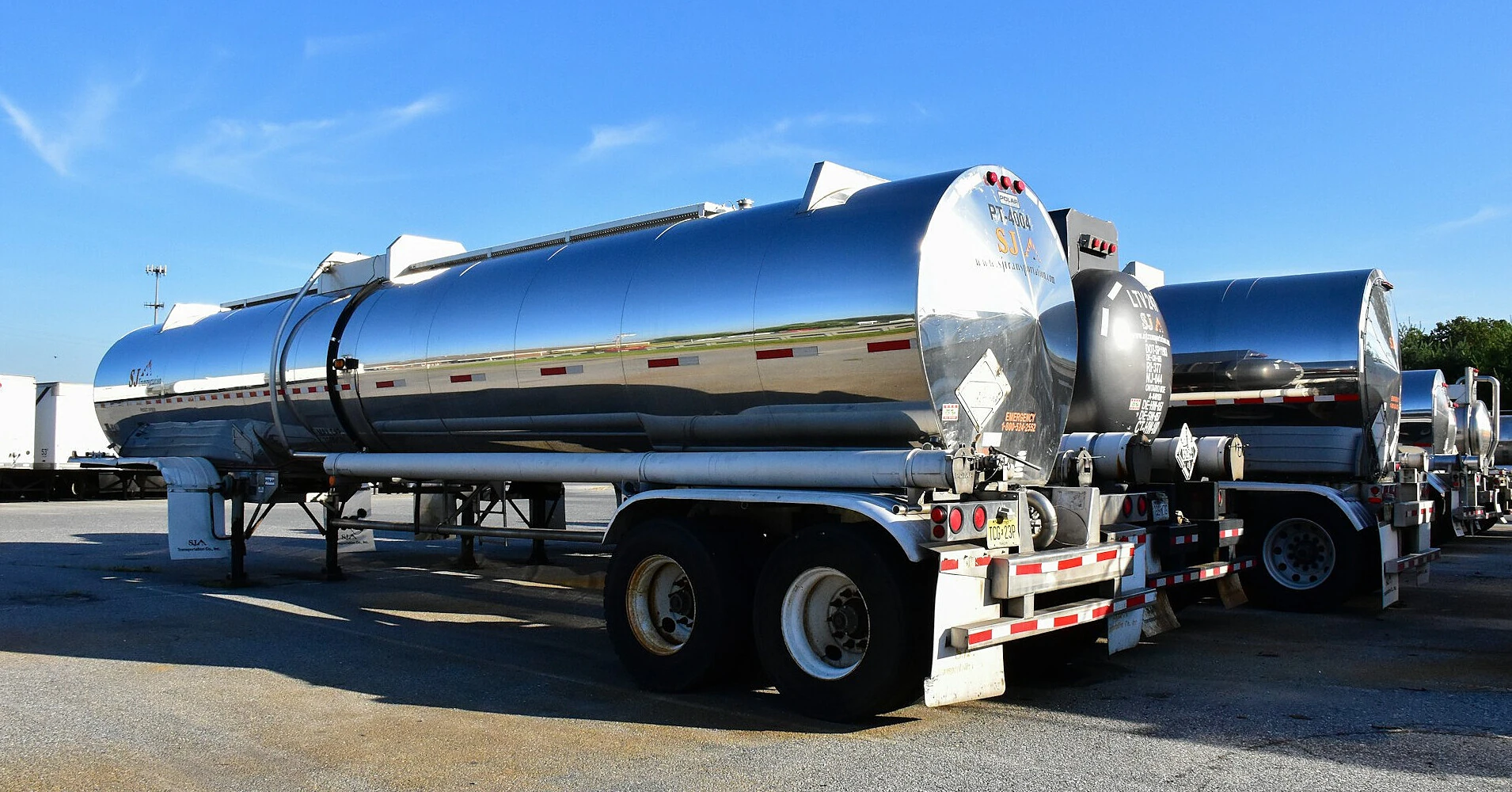
Ukrainian importers have gained more opportunities to supply diesel fuel from India. The Energy Customs has eased additional restrictions that previously complicated the import of certain batches of Indian product.
The change in approach is reported by enkorr. According to the publication, diesel fuel can now be supplied to Ukraine from a wider range of directions without the previous attachment to specific routes that were subject to enhanced control procedures.
For the Ukrainian fuel market, this means expanded import opportunities. A larger number of available supply channels can increase competition among traders and simplify the search for product during periods of supply shortage in certain directions.
Why Indian diesel was subject to additional checks
Ukraine introduced enhanced control over Indian diesel in autumn 2025. At that time, the Security Service contacted the Energy Customs with a demand to additionally check certain shipments - with sampling and laboratory analysis.
After clarification of requirements, restrictions applied primarily to diesel produced by India's Reliance Industries, which was shipped from the port of Sikka in the state of Gujarat. This product was actively entering the Ukrainian market through European traders.
Additional control was introduced due to risks related to the origin of petroleum products. After the start of the full-scale war, Indian refineries significantly increased processing of Russian oil, and Ukraine sought to prevent fuel with Russian raw materials from entering its market through third countries.
India was a major supplier of diesel to Ukraine
Before the introduction of additional checks, Indian fuel was rapidly increasing its presence on the Ukrainian market. In August 2025, Ukraine imported about 119 thousand tons of Indian diesel, which accounted for 18% of total diesel imports in that month.
A significant part of the product came not directly from India, but through European fuel hubs, primarily Romania's Constanta. Therefore, to control the origin of fuel, not only the country of production but also the port of loading, supply route, and accompanying documents were important.
The Energy Customs may continue to apply standard customs control mechanisms. In June 2026, the agency reported that it analyzes ship documentation, supply routes, and possible calls of vessels at ports of third countries, and conducts additional checks if necessary.
What this could change for prices
By itself, simplification of imports does not mean automatic reduction of diesel prices at gas stations. Retail prices depend on global quotations, logistics costs, exchange rates, taxes, and supply situation.
At the same time, reduction of administrative and logistical barriers gives traders more opportunities to choose suppliers. All other things being equal, this can increase competition on the wholesale market and reduce the risk of product shortage if supplies from one of the traditional directions decrease.