
Ukraine again disclosed the number of ballistic missiles launched by Russia
The Air Force of the Armed Forces of Ukraine again indicated the exact number of ballistic missiles that Russia used during a night attack. This happened about a week after the change in the format of morning reports, in which it was decided to limit detailed statistics on Russian ballistic missiles.
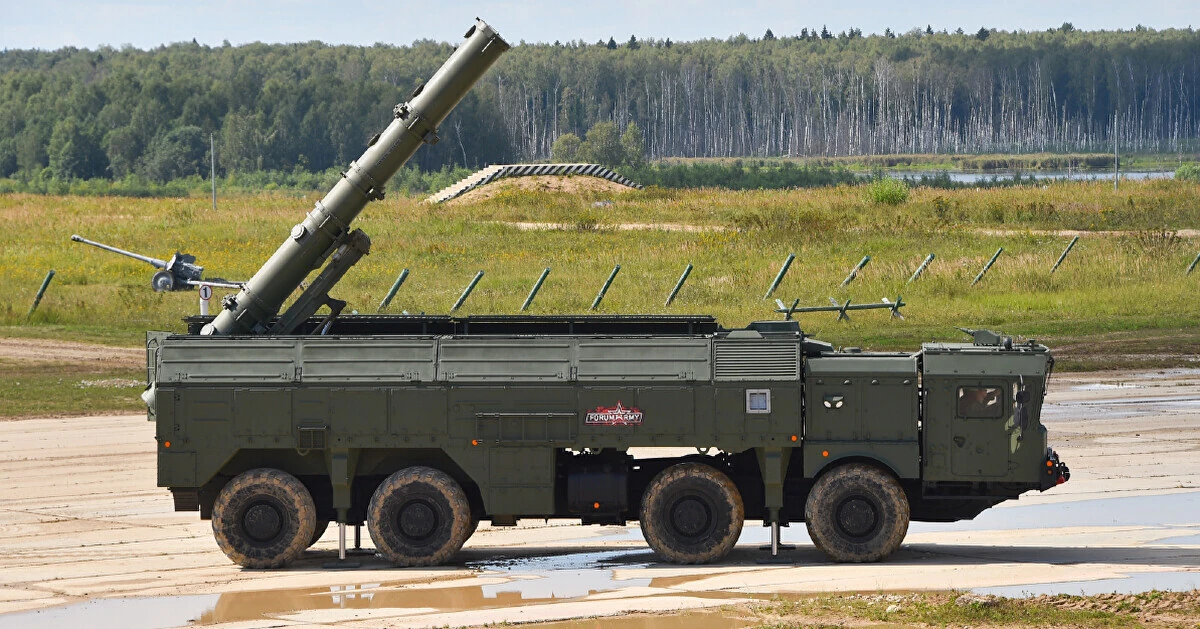
On the night of August 19, Russian troops attacked Ukraine with two Iskander-M ballistic missiles and 65 drones of various types, the Air Force reported.
According to preliminary data as of 08:30, air defense shot down or suppressed 56 strike and other drones, as well as two loitering munitions "Banderol". Ballistic missiles are not listed among the destroyed targets in the report.
The Air Force also reported hits by Russian air attack weapons at ten locations. Debris from downed targets fell at three more locations.
The publication of the number of "Iskanders" attracts attention due to the recent change in the Air Force's communication policy. Earlier, Kurs wrote that after massive Russian attacks, the military leadership decided to limit precise data on the number of launched, downed, and suppressed ballistic missiles in morning reports.
On August 11, in the report after the Russian strike, the Air Force already named the types of missiles used, but did not report their exact number. The head of the Air Force communications department, Yuriy Ihnat, explained then that the report format is regularly adjusted taking into account the military situation, adversary tactics, and other circumstances.
Particular attention was drawn to how the media present failed interceptions of ballistic missiles. Ihnat cited as an example a situation when, after official statistics "28/0", headlines were reduced to the fact that the Air Force did not shoot down any missiles, after which this information was actively used by Russian resources.
Financial Times later wrote, citing Ukrainian officials, that the reduction in detailed statistics was connected not only to security considerations, but partly also to a desire not to undermine public morale amid problems with intercepting Russian ballistic missiles.
At the same time, the current publication of two "Iskanders" does not mean that the Air Force has officially abandoned previous restrictions. Ihnat emphasized that it was primarily about the possibility of not disclosing detailed statistics during massive attacks, while general data on Russia's use of ballistic missiles would continue to be published.
Based on materials: Air Force of the Armed Forces of Ukraine, Financial Times
