
Ukraine to ask EU to increase duty-free quotas for agricultural products
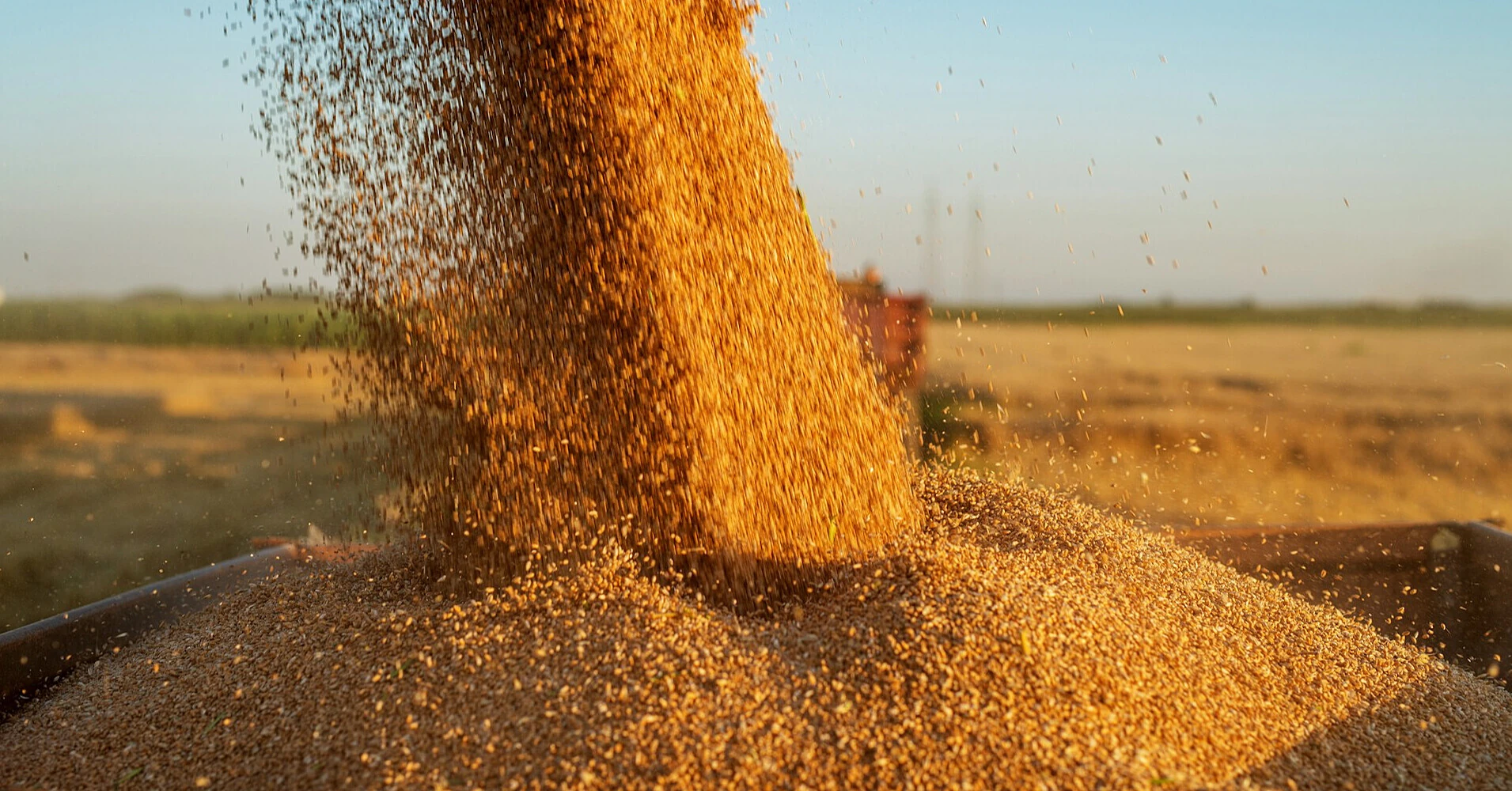
Ukraine plans to seek an increase in the volumes of agricultural products that can be supplied to the European Union without paying duties. The government expects to resume consultations with the European Commission as early as September on revising quotas for so-called sensitive goods.
This was stated by Minister of Economy, Environment and Agriculture Taras Vysotskyi during a meeting with representatives of agrarian business.
"From September, we plan to resume consultations with the European Commission on updating and increasing quotas for sensitive items", he noted.
The ministry called on industry associations and companies to provide specific calculations regarding the necessary export volumes. This data is to become the basis of Ukraine's negotiating position during consultations with Brussels.
For which goods do they want to increase quotas
Representatives of Ukrainian business at the meeting proposed to revise the terms of export to the EU for sugar, starch, molasses, alcohol and bioethanol.
The current trade system provides for restrictions on duty-free export for a number of agricultural goods that the EU considers sensitive for the internal market. These include, in particular, sugar, eggs, poultry meat, honey, wheat and corn.
In 2025, Ukraine and the EU have already agreed on the expansion of some quotas. According to Euractiv, the annual duty-free volume for poultry meat was increased from 90 thousand to 120 thousand tons, and for sugar - from about 20 thousand to 100 thousand tons.
At the same time, these volumes remain lower than the actual supplies that Ukraine made to the EU during the period of full trade liberalization after the start of the full-scale Russian invasion.
The next review was expected only in 2028
Agreements between Ukraine and the EU provided that the next comprehensive review of trade conditions would take place in 2028. By that time, Brussels is to assess Ukraine's progress in approximating agricultural standards to European ones, in particular in the field of animal welfare, use of pesticides and veterinary medicines.
Now Kiev wants to return to the issue of quotas earlier. One of the reasons is the deterioration of export conditions via the Black Sea after Russian attacks on port infrastructure.
Ukrainian exporters increasingly depend on alternative routes through EU countries and the Danube region. At the same time, even Danubian logistics is facing problems due to low water levels caused by drought.
"Our goal is to use all available opportunities and maximize the preferential terms of trade with the EU and other partners", Vysotskyi said.
Negotiations may not be easy due to the political sensitivity of Ukrainian agricultural exports in some EU countries. Poland, Slovakia and Hungary retain their own restrictions on the import of some Ukrainian agricultural products. Polish authorities, in particular, have stated that for now they do not plan to lift the ban on the import of Ukrainian grain.
As of the time of publication, the European Commission has not officially confirmed that consultations on the new quota review will begin specifically in September.
Based on materials from: Ministry of Economy, Environment and Agriculture of Ukraine, Euractiv
