
Israeli Strike on Airbase in Syria Sharpens Rivalry with Turkey
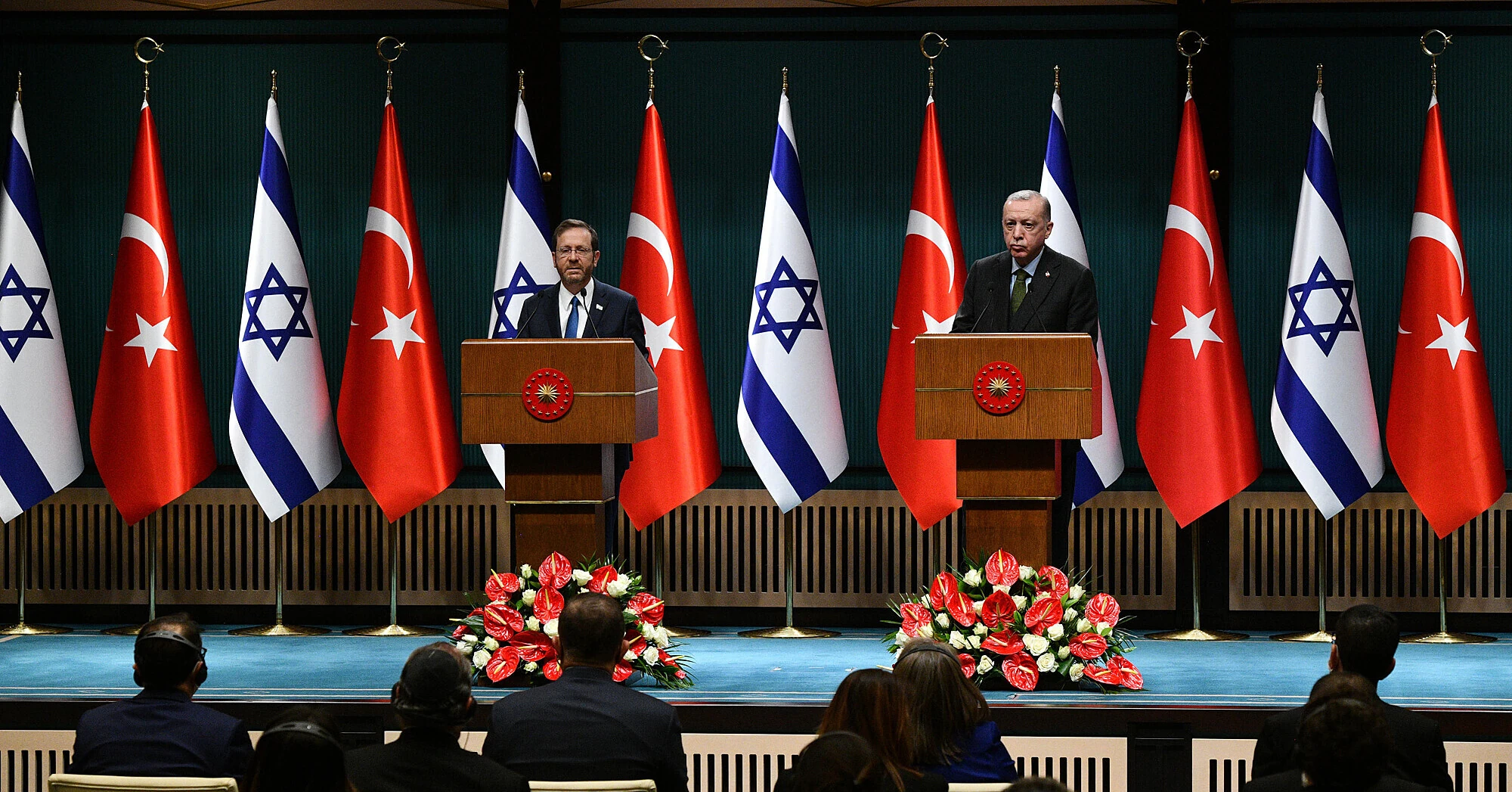
Relations between Israel and Turkey sharply escalated following an Israeli strike on the Abu al-Duhur military airbase in northwestern Syria. Israel said it sought to prevent Turkish troops and weapons from deploying there, while Ankara rejected those claims and accused Israeli authorities of looking for a pretext for new attacks.
The strike on the airbase in Idlib province, about 70 km from the Turkish border, occurred on August 18. According to Axios, at least eight bombs hit runways and hangars. The base infrastructure was damaged, and no casualties were reported.
The Abu al-Duhur base had been mostly unused for over a decade, but renovation work had recently been underway there. According to the Financial Times, just hours before the strike, a Turkish delegation visited the site to inspect the work.
Israel Fears Turkey’s Strengthening
The office of Israeli Prime Minister Benjamin Netanyahu later officially confirmed responsibility for the attack. The Israeli side stated that Syria was allegedly close to violating agreements on maintaining the security status quo by allowing Turkish forces to deploy at the airbase.
According to Axios, Israel notified the administration of U.S. President Donald Trump before the strike. Israeli officials explained to Washington that the goal was to prevent the delivery of advanced Turkish weapons systems to the base and the construction of larger military infrastructure there.
The Syrian side claims it had explained to Israel in advance the nature of the work at Abu al-Duhur and assured that the base would remain under Syrian control. Syrian Foreign Minister Asaad al-Shaibani stated that Damascus had no plans to deploy Turkish forces there.
Ankara Denies Preparing Deployment
In Turkey, Israel's claims were called baseless. The administration of President Recep Tayyip Erdoğan stated that they are used to justify Israeli strikes on Syria.
Ankara also linked the actions of Netanyahu's government to its "expansionist and destabilizing policy" ahead of Israel's parliamentary elections scheduled for October 27.
Turkey pledged to continue military and institutional cooperation with the government of Syrian President Ahmed al-Sharaa, whom Ankara has actively supported since the fall of Bashar al-Assad's regime at the end of 2024.
Turkey already helps Damascus train military personnel, supplies equipment, and provides logistical support. At the same time, thousands of Turkish troops remain in northern Syria after Ankara's previous operations.
U.S. Openly Criticized the Strike
The attack drew an unusually sharp response from Washington. U.S. Ambassador to Turkey and Special Representative for Syria Tom Barrack said the United States was "deeply concerned" about the Israeli strike, calling it an unnecessary escalation that does not contribute to regional stability.
According to Axios, the strike also caused displeasure among high-level officials in the Trump administration. Washington is trying to facilitate arrangements between Syria and Israel and considers the al-Sharaa government inclined toward de-escalation.
Meanwhile, the Syrian issue is increasingly becoming a separate arena of rivalry between Israel and Turkey. Ankara seeks to strengthen the new government in Damascus and help rebuild its military structures, while Israel tries to prevent the emergence of forces and weapons systems in Syria that could limit Israeli air freedom of action.
Abu al-Duhur is not the first Syrian military installation where the interests of the two countries have intersected. Earlier, Israeli strikes damaged military facilities in Hama and Homs, which, according to reports, Turkey also considered as potential sites for its military presence.
Based on: Financial Times, Axios
