
Canada and the U.S. move closer to reaching a tariff deal after intense negotiations
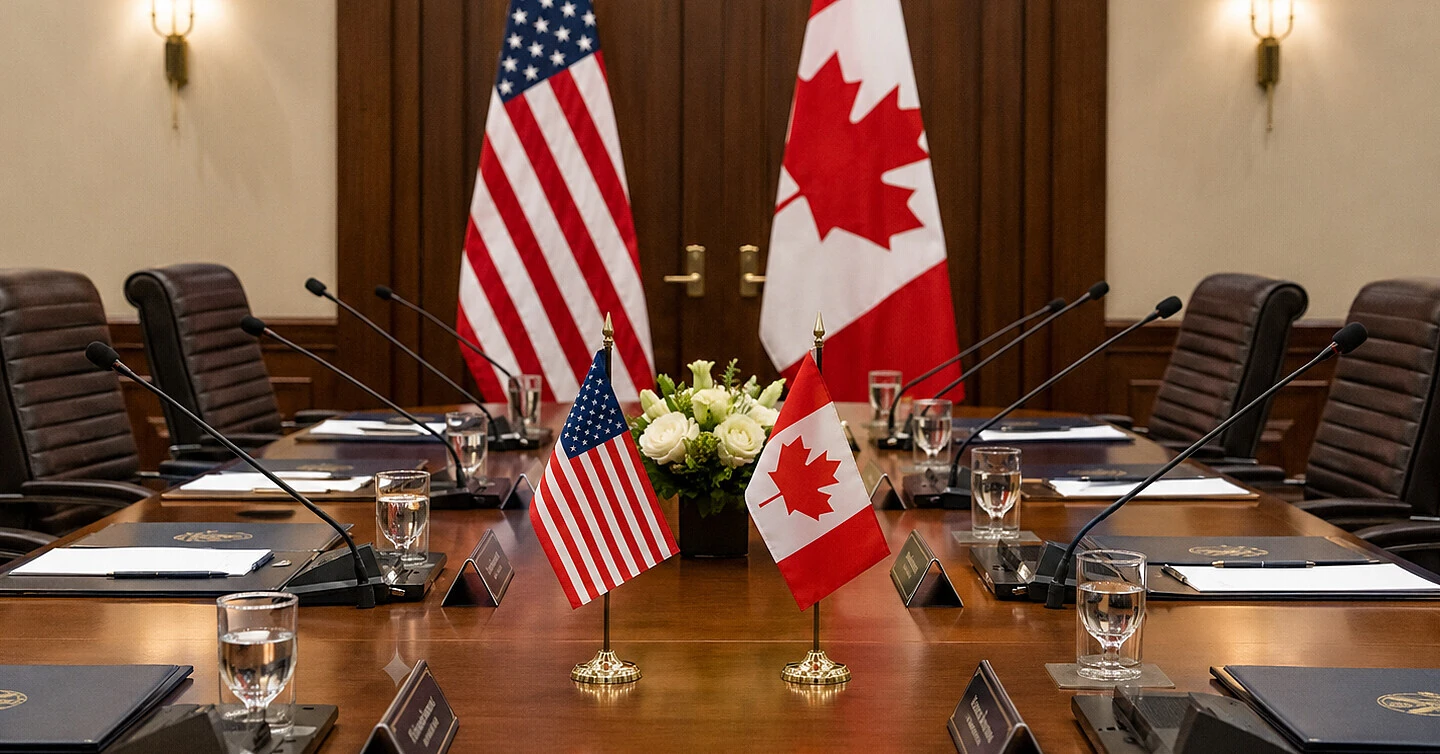
Canada and the United States have moved closer to reaching a trade agreement that could soften U.S. tariffs on a number of key Canadian industries. Canada's minister responsible for trade with the U.S., Dominic LeBlanc, said after lengthy negotiations in Washington that the two sides are "very close" to a deal.
The talks are taking place amid the threat of a new round of the trade war between the two countries. The main issues remain U.S. duties on Canadian steel, aluminum, and automobiles, as well as restrictions on the sale of American alcohol in Canada and Canada's supply management system for dairy products.
However, a final agreement has not yet been signed. Canadian and U.S. representatives continue to coordinate the terms and formalize the agreements, so the parameters of the deal may still change.
U.S. considers lowering tariffs on metals and autos
One of Ottawa's main goals remains reducing sectoral tariffs that have severely hit Canadian producers. According to The Wall Street Journal, the U.S. side is considering lowering the tariff on Canadian steel and aluminum from 50% to 25%.
A reduction in the auto tariff from 25% to 15% is also being discussed. However, these rates are still subject to negotiation and are not final approved terms of the agreement. Washington has not officially announced specific figures for possible tariff reductions.
In addition to metals and autos, Canada is seeking better terms for the forestry industry and other export sectors. At the same time, Ottawa is trying to preserve its current supply management system for dairy products, which the U.S. administration has long criticized as a barrier to U.S. producers.
Trump temporarily delayed new 50% duties
The previous round of tensions arose after U.S. President Donald Trump ordered additional 50% tariffs on a number of Canadian goods. They were set to affect imports worth about $20 billion.
Washington justified the decision, in particular, by restrictions on American alcohol in Canadian provinces, dairy market access rules, and auto supply conditions. The U.S. administration used Section 338 of the U.S. Tariff Act of 1930 for the new tariffs.
However, amid progress in negotiations, the imposition of the new duties was temporarily postponed. This gave the parties extra time to prepare a trade agreement. Trump himself previously said that a deal had essentially been reached, while Canadian officials were more cautious in their assessment and stressed that work on the terms was still ongoing.
American alcohol remains a separate issue
Since the start of the trade conflict, several Canadian provinces have removed American spirits from government-run retail outlets. The U.S. views such restrictions as discrimination against its producers and demands their removal.
The Canadian federal government is ready to facilitate the return of American products, but decisions on alcohol sales are largely made by provincial authorities. Therefore, even a trade deal between Ottawa and Washington would not automatically mean the return of American beverages to shelves across the country.
If the parties manage to finalize the agreement, it could become the first major step toward normalizing trade relations ahead of further talks on the future of the CUSMA/USMCA agreement governing trade between Canada, the U.S., and Mexico.
Based on materials from: CBC News, The Wall Street Journal, USTR
