
Iran is preparing to circumvent new US sanctions and reduce dependence on the dollar
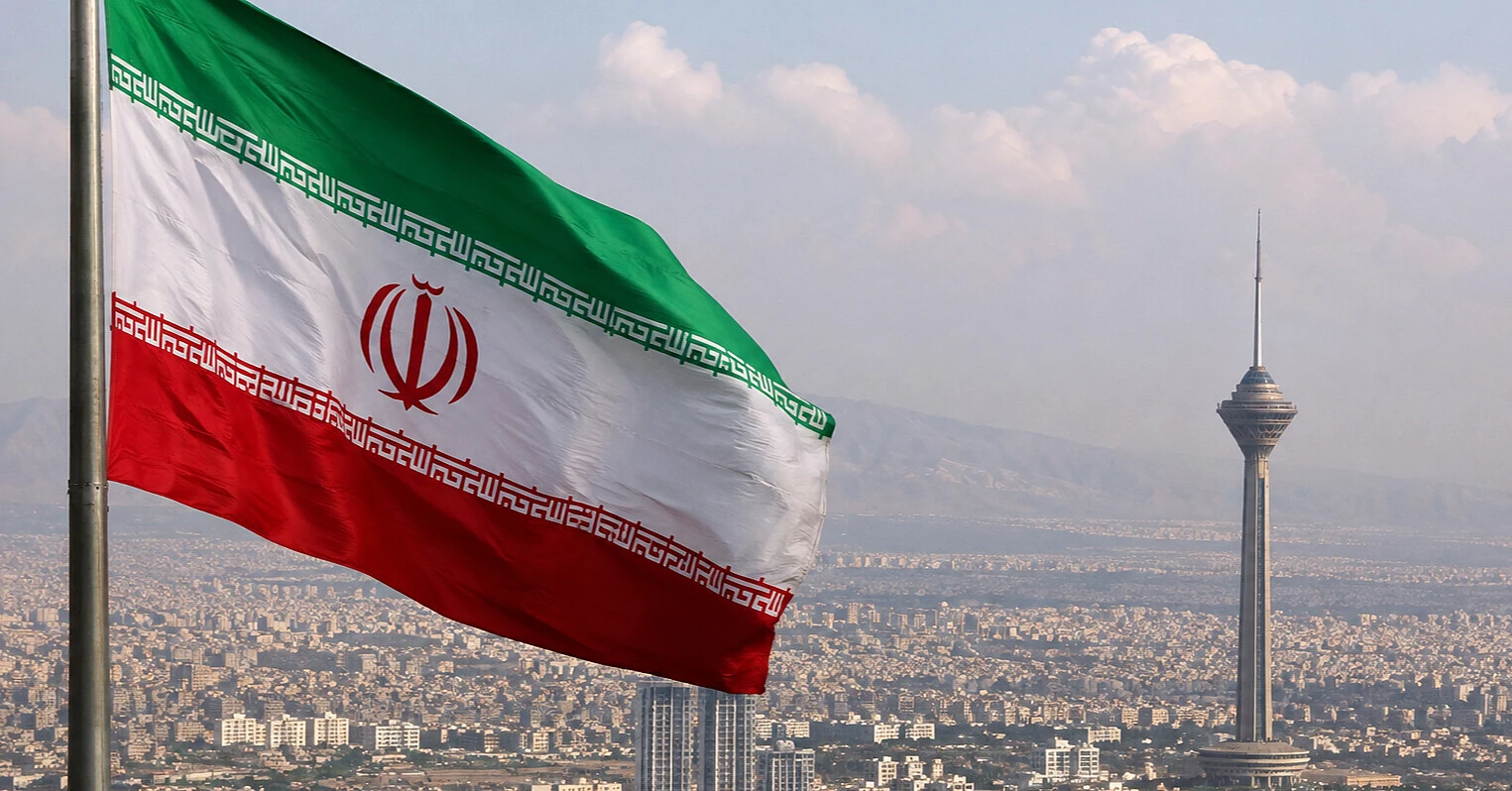
Iran intends to develop additional mechanisms to overcome US sanctions amid Washington's preparing of a sharp increase in economic pressure. Tehran proposes, in particular, to expand trade with neighboring countries in national currencies and to reduce dependence on the dollar.
This was stated by Iranian Parliament Speaker Mohammad Bagher Ghalibaf, reports Reuters.
The statement came after US Treasury Secretary Scott Bessent announced new restrictions against Tehran, calling them "the toughest sanctions in history." Washington plans to present the details of the package on Monday, August 24.
According to Bessent, strengthening economic pressure could reduce the need for new large-scale military operations against Iran.
Ghalibaf called the American restrictions "unjust" and stated that Tehran should build in advance a system that allows it to resist them. He linked the country's economic resilience directly to its security.
The Iranian politician also accused the US and Israel of waging an economic and information war against Iran.
Iran proposes more active non-dollar trade
Ghalibaf made the statement during a visit to Baghdad, where he met with Iranian and Iraqi business representatives. One of the ways to reduce the effect of American restrictions, he named is the further development of economic ties between the two countries.
In particular, the parliament speaker proposed expanding settlements in the national currencies of Iran and Iraq, reducing the use of the US dollar in mutual trade.
The new sanctions package is part of Washington's announced intensification of economic pressure on Tehran. US President Donald Trump previously warned that states, companies, and financial structures providing economic support to Iran could face serious consequences.
American authorities are counting on maximally limiting Iran's access to international financial transactions and revenues from foreign trade. Against the backdrop of these statements, the oil market remains tense: Brent on August 21 traded around $94 per barrel after rising more than 6% over the week.
