
US and Canada enter trade war after talks collapse
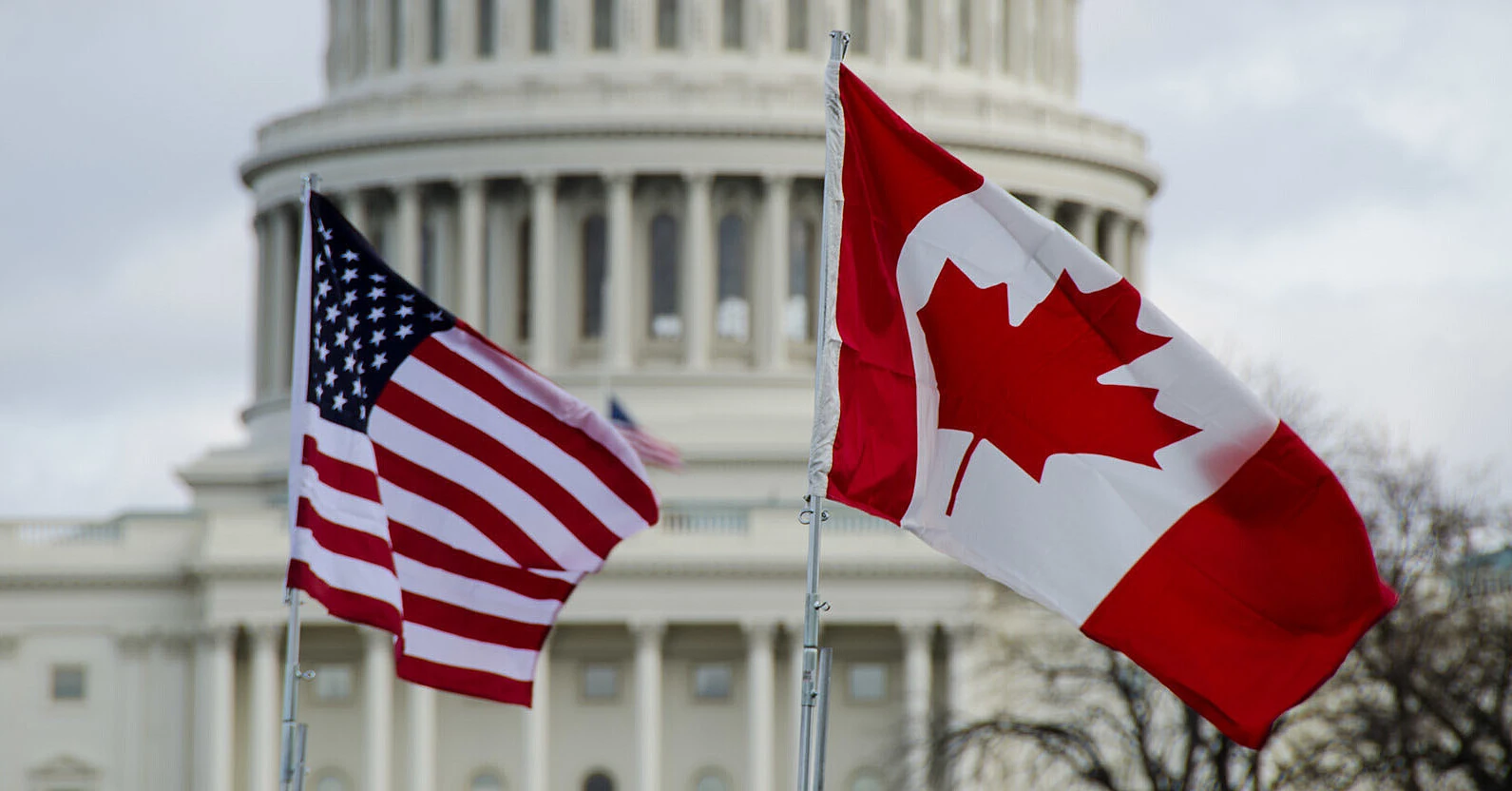
Trade talks between the US and Canada ended in failure, after which Washington imposed 50% tariffs on about $20 billion worth of Canadian goods, and Ottawa announced a mirror response. The Canadian government is already preparing for a scenario in which the trade conflict could last at least until the US midterm elections, and potentially until the end of Donald Trump's presidential term.
The new American tariffs cover, in particular, Canadian wine, furniture, dairy products, cement, clothing, sporting goods, and a number of other categories. According to The Guardian, about 5% of Canadian exports to the US fall under the new tariffs.
As late as last week, the parties were close to an agreement that would have lowered trade barriers, including for steel, aluminum, and automobiles. However, the deal collapsed at the last moment after new American demands appeared, which the Canadian side found unacceptable.
Canadian Prime Minister Mark Carney said the country refused a "bad deal" and would respond to Washington "dollar for dollar". Canadian tariffs on American goods are set to take effect on September 8. Among the goods that could be affected are steel, electronics, dairy products, home appliances, agricultural equipment, paper, and other products.
At the same time, Ottawa no longer expects a quick return to the negotiating table. According to Bloomberg, the Carney government considers the chances of resuming meaningful negotiations before the US midterm elections low. However, the situation remains fluid, and Washington has not formally ruled out a return to dialogue.
US Trade Representative Jamieson Greer said no new talks with Canada are currently scheduled. According to him, Washington is moving to respond to Canadian policy.
Canada is simultaneously preparing a support package for companies and workers who will be affected by the American tariffs. Details of the program are to be announced in the coming days. According to Bloomberg, the authorities are designing mechanisms so that, if necessary, they could operate for the rest of Trump's presidential term.
"We will support this business for as long as it takes, in other words – longer than this American administration will be in office", Carney said.
The breakdown in talks has already affected financial markets. On Monday, the Canadian dollar fell about 0.2% to 1.38 Canadian dollars per US dollar, moving away from a three-month high. Earlier, the currency had strengthened on expectations of a trade deal between the two countries.
Further escalation remains possible. According to Bloomberg, Washington warned that if Canadian tariffs are imposed, Trump could be presented with new options to increase pressure. Thus, the conflict between two closely linked economies risks transitioning from a singular tariff dispute to a prolonged trade war.
Based on materials from: Bloomberg, The Guardian
