
Oil prices fall ahead of a new economic blow from the US to Iran
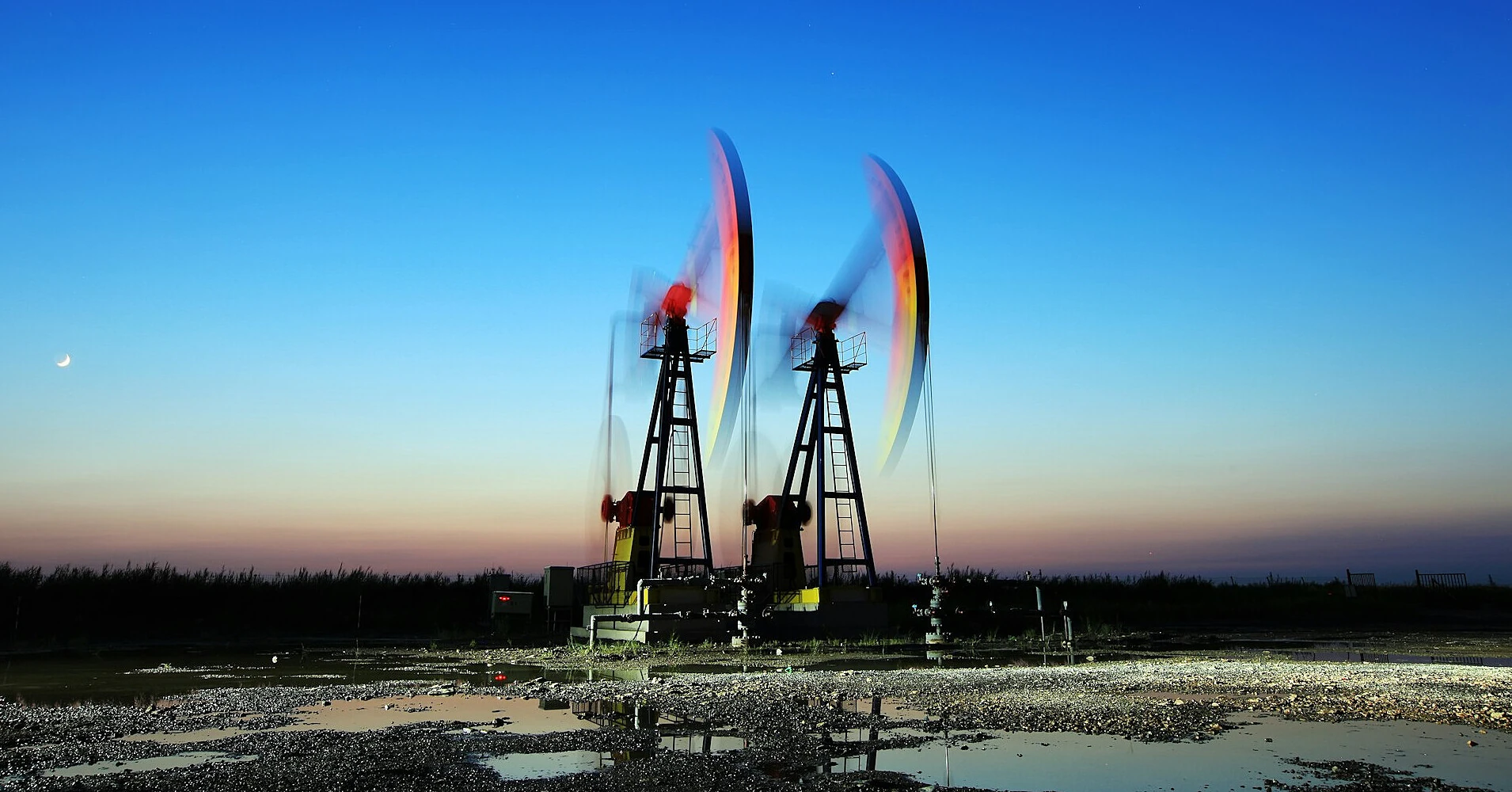
Oil prices decline on Monday, August 24, after two weeks of growth. Investors lock in profits and await details of a new US plan for the economic isolation of Iran, which could further restrict supply on the global market.
At the trades, Brent fell to about $93 per barrel, while the American WTI trades near $86. Over the previous two weeks, Brent added about 13%.
The key event for the oil market on Monday is expected to be the announcement by US Treasury Secretary Scott Bussent of details of the new Washington campaign against Iran. The American administration seeks to increase pressure not only directly on Tehran, but also on countries, companies and financial institutions that help it sell oil.
One of the main potential targets could be Chinese refineries, which remain the main buyers of Iranian crude, as well as banks that finance such operations. At the same time, a large-scale tightening of pressure on Chinese companies creates a risk for Washington of a broader economic conflict with Beijing.
Moreover, physical supplies of Iranian oil began to decline sharply even before the announcement of the new American measures. According to Bloomberg, shipments of Iran to Asia have nearly stopped, and the cost of available cargoes of crude rose to the highest levels in several years.
The American blockade effectively divided the tanker fleet serving Iran's exports. Oil-laden vessels remain inside the Persian Gulf, while some empty tankers cannot enter the region. This has already led to a shortage of available oil supplies for Asian buyers.
Despite the decline on Monday, the oil market remains at significantly higher levels than at the beginning of the year. Since the start of 2026, prices have risen more than 50% amid the war between the US and Iran and disruptions in supplies of crude oil and petroleum products from the Middle East.
An additional factor remains the situation in the Strait of Hormuz, through which a significant portion of the world's seaborne oil exports normally passes. Shipping volumes through this route remain substantially below normal levels.
Therefore, the current price decline still looks more like a correction after a strong two-week rally. The further direction of the market will depend on how tough the new American measures turn out to be and whether they can further reduce Iranian oil exports.
