
Sweden unhappy with cuts in aid to Ukraine and again raises issue of using Russian assets
Sweden intends to again raise in the European Union the issue of using about €200 billion of frozen Russian sovereign assets to support Ukraine. The initiative gains relevance amid growing financial needs of Kyiv and reduction of bilateral aid from individual partners.
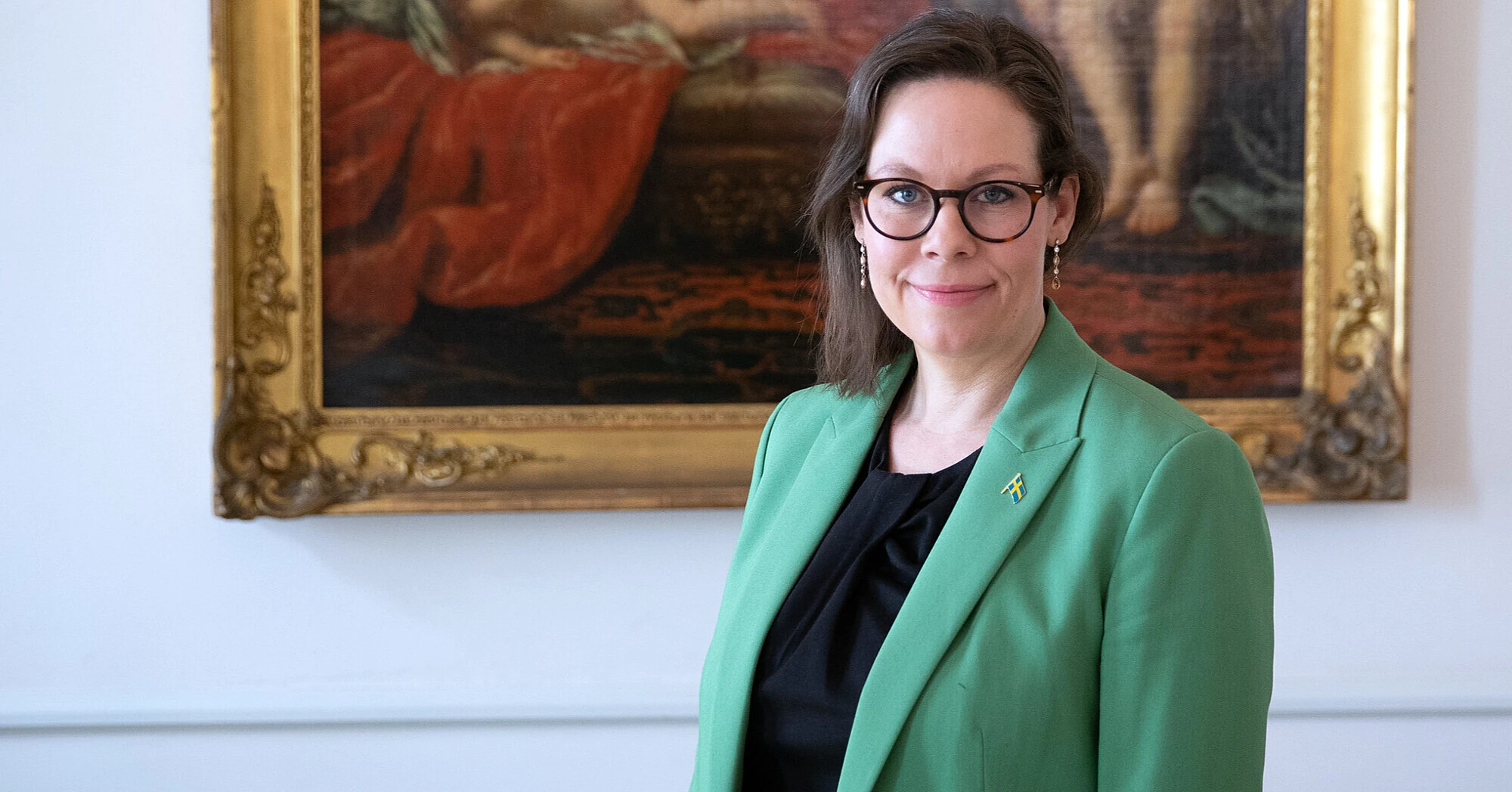
This was stated by Swedish Foreign Minister Maria Malmer Stenergard during a "coalition of the willing" meeting in Kyiv, reports Euractiv.
According to the publication, the issue of frozen Russian assets was also raised by representatives of other countries during the meeting. Stenergard said she intends to bring it back to the European discussion in view of the approaching 2027 and increasingly greater financial needs of Ukraine.
The Swedish minister explained this, in particular, by the reduction of bilateral aid to Ukraine. According to her, a number of states increasingly refer to the large EU loan as a substitute for their own support to Kyiv.
"I am quite disappointed that bilateral support is more or less decreasing, and countries tend to refer to the EU loan", - said Stenergard.
In her opinion, such an approach is insufficient. Ukraine needs additional resources to continue the war and strengthen defense capabilities.
About €200 billion of Russian assets are at stake
About €200 billion of Russia's sovereign assets are frozen in European countries. Most of them are held in the Belgian depository Euroclear.
The EU is already using the proceeds generated by the frozen Russian assets to support Ukraine. However, moving to the use of the principal of these assets remains a significantly more complicated issue due to legal, financial and political risks.
Belgium remains the main opponent of such a step, since most of the funds are stored there. During a visit to Kyiv last week, Belgian Foreign Minister Maxime Prévot again said that his country cannot bear alone the risks associated with possible future claims by Russia.
Brussels fears a scenario where Moscow successfully challenges the use of the assets in court, and Belgium or Euroclear would have to compensate Russia for the relevant amount. Therefore, the Belgian side insists on sharing legal and financial risks with partners.
Brussels is not ready to resume the discussion yet
Despite new calls from Sweden and other states, there are currently no signs of a quick reconsideration of the European Union's position.
A senior EU official told Euractiv that the obstacles and reservations of a number of member states remain the same. Therefore, the return of the issue of the principal amount of frozen Russian assets to the official agenda in Brussels in the near future is not yet guaranteed.
The new discussion is unfolding amid Ukraine's growing needs for defense financing. Earlier President Volodymyr Zelenskyy stated an additional funding deficit of €23.5 billion on top of the already foreseen European aid.
Kyiv is also asking the EU to accelerate the provision of the next part of the loan worth €90 billion. On August 24, the European Commission transferred €6.1 billion to Ukraine, and European Council President António Costa said he has taken note of Zelenskyy's request to speed up the next tranche.
Thus, the issue of frozen Russian assets again comes to the fore exactly when Kyiv needs to find additional sources of funding, and the possibilities to increase assistance through the national budgets of European countries are becoming increasingly politically difficult.
Based on materials from: Euractiv
