
Hungary officially declares Russia a threat over war against Ukraine
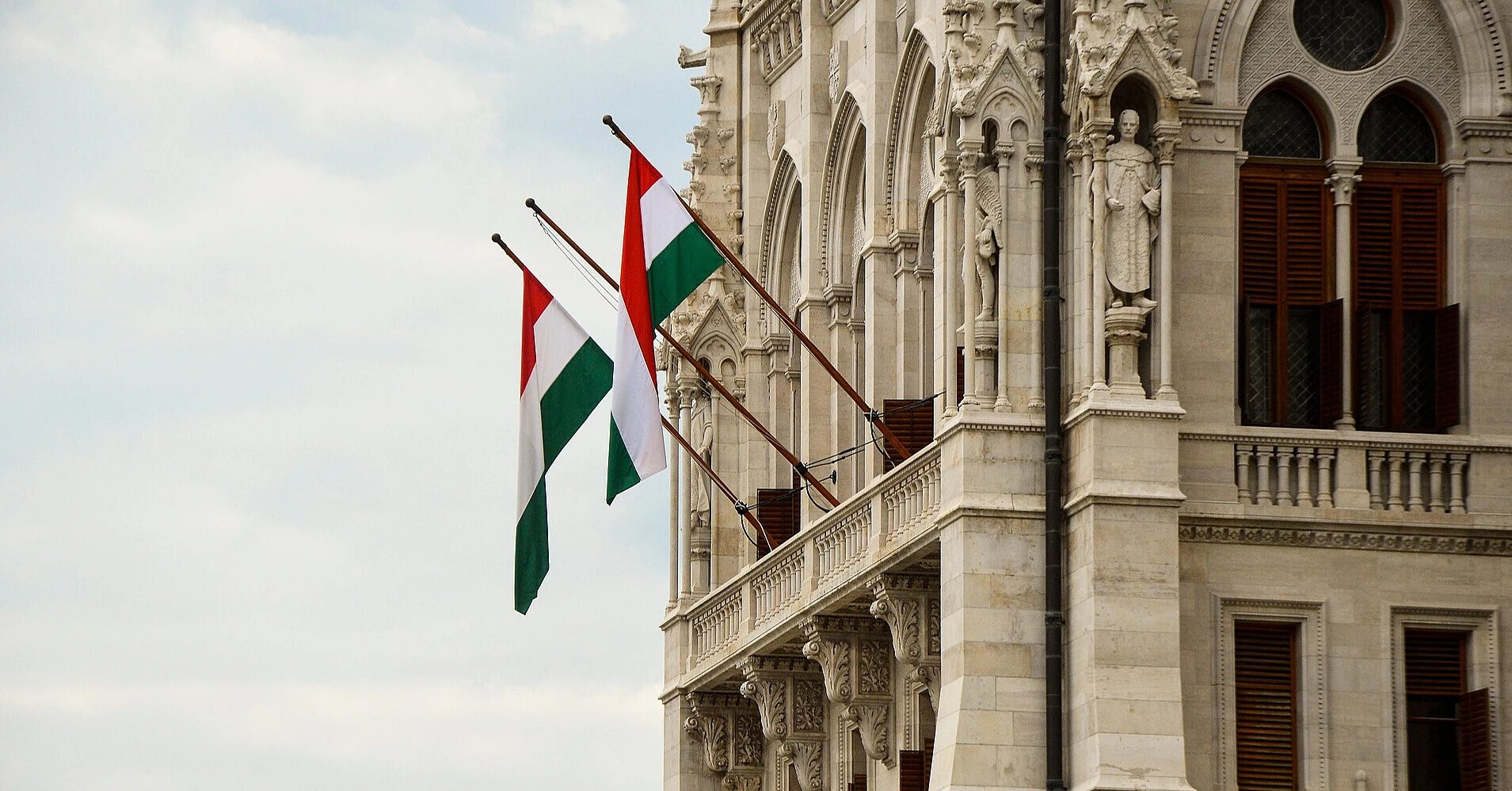
The new Hungarian government has officially declared Russia a threat to the country, Europe, and the international order, and has condemned Russian military aggression against Ukraine. This represents a significant shift in Budapest's foreign policy following the end of Viktor Orbán's lengthy rule.
The new stance is outlined in a document with directives for the Hungarian delegation that will participate in the UN General Assembly in September. The document was signed by Prime Minister Péter Magyar, and was published in the official Hungarian gazette in the night to August 26.
In the document, Budapest publicly condemns Russian military aggression and declares full support for Ukraine's sovereignty and territorial integrity within internationally recognized borders.
Moreover, the Hungarian government recognizes Ukraine's right to self-defense. At the same time, Budapest declares support for diplomatic efforts that could lead to negotiations for durable peace and long-term security guarantees for Ukraine.
Separately, the document notes that Russia's behavior poses a threat not only to Ukraine.
"Russia's behavior denotes a threat to Hungary, Europe and the global order", - the government-approved directives state.
Course shift after Orbán
This stance differs significantly from the policies of the previous Viktor Orbán government. Under his leadership, Budapest maintained notably closer relations with Moscow, repeatedly blocked or delayed EU decisions on supporting Ukraine, and opposed certain sanctions against Russia.
Péter Magyar, whose government has been in office since May, announced his intention to bring Hungary back to closer cooperation with the European Union upon taking power. In June, the new Hungarian authorities also stopped blocking the start of talks on Ukraine's EU accession.
Meanwhile, Budapest's shift does not mean full alignment with Kyiv on all issues. The Hungarian government continues to oppose arms supplies to Ukraine and does not support the country's expedited accession to the European Union.
Sources: Die Zeit / dpa, ORF
