
Export shift to Danube causes congestion: dozens of ships stuck near Sulina
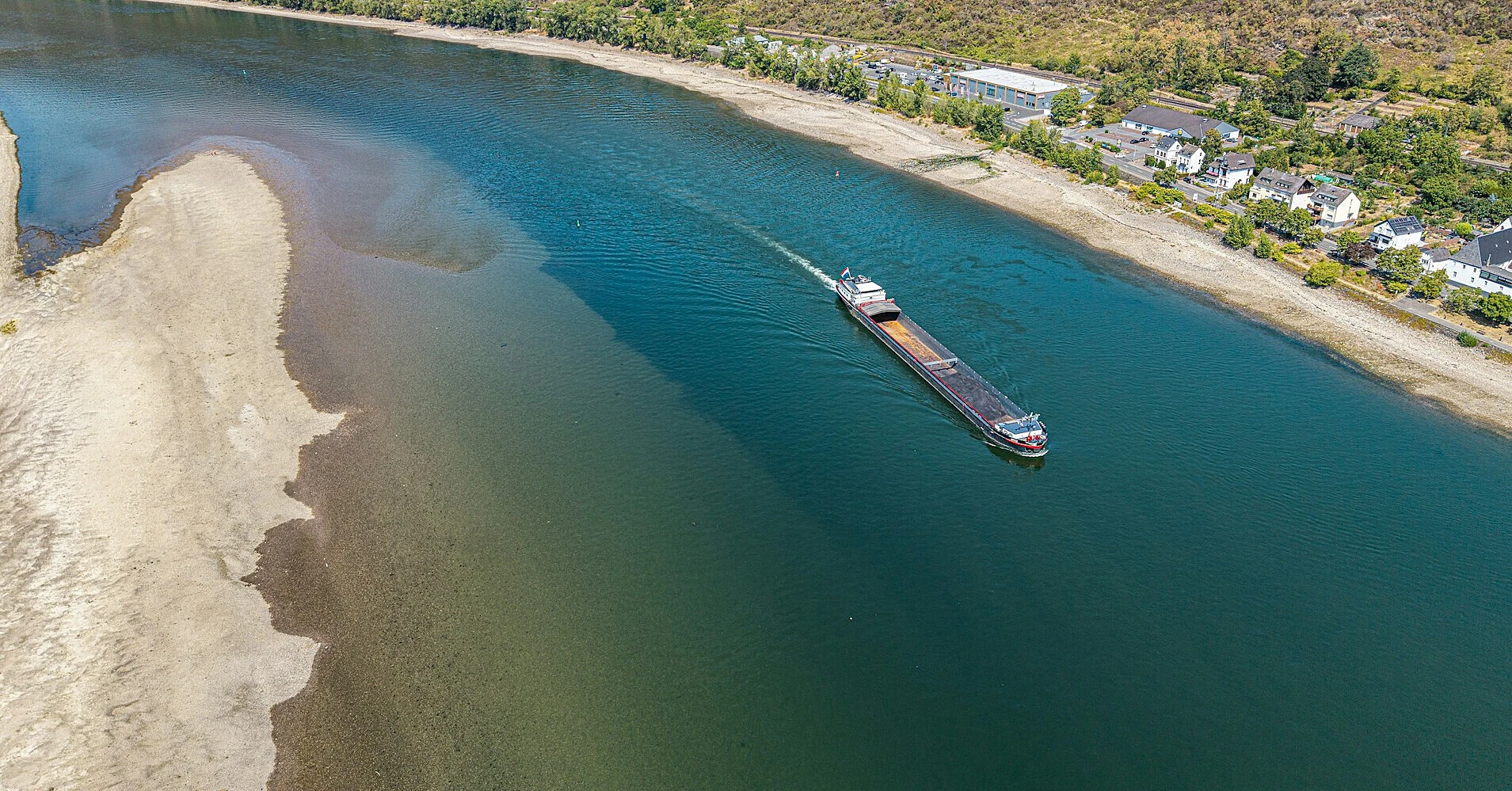
About 50-60 ships have accumulated near the Sulina Canal in Romanian territorial waters, waiting to pass to Ukrainian ports on the Danube. Many have been standing for a week, some even longer, and the cost of downtime for a vessel with a deadweight of about 6 thousand tons reaches $6-7 thousand per day.
This was told in an interview to Latifundist.com by Kateryna Kononenko, operational manager of the company "Avalon". According to her, the queue continues to grow, and the ship passage system through Sulina cannot cope with the sharp increase in load.
The flow began to increase significantly after the stoppage of Ukrainian deep-water ports. Charterers waited for some time for possible resumption of their work, but later began to redirect ships to the Danube direction.
While up to 20 ships were near Sulina, the queue was still gradually unloading. After exceeding this level, according to Kononenko, an actual collapse began.
The situation was further worsened by several days of limited operation of Sulina, weather conditions, a holiday in Romania, and priority passage of certain categories of vessels. In particular, ships carrying live cattle can pass outside the general queue.
Bottleneck on the Romanian side
One of the main problems is the shortage of Romanian pilots. They are the ones who can guide vessels through the Sulina Canal. At the same time, according to the representative of "Avalon", there is no shortage of Ukrainian pilots in the Ukrainian ports of Izmail and Reni.
However, even a sharp increase in the number of pilots will not completely solve the problem. In Sulina, ships are currently handled by only one commission, which includes border guards, a sanitary doctor, and representatives of other services.
Registration of one vessel takes at least an hour, and if additional questions arise, one and a half to two hours. Only after completing the procedure can the commission move to the next vessel.
In Kononenko's opinion, if three or four commissions worked simultaneously, several vessels could be registered in parallel and the queue would move much faster.
Agents do not see the queue
Another problem is the lack of transparent information about the order of passage. Terminals notify the Ukrainian Sea Ports Authority about readiness of the berth, cargo, and vessel. USPA transmits the lists to the Romanian Administration of the Lower Danube in Galati, after which the information is supposed to arrive in Sulina.
However, ship agents do not have access to the final lists. Because of this, they do not know until the last moment whether a particular vessel will receive a pilot. According to Kononenko, in one of the cases, confirmation of pilot provision came only about an hour before passage.
Previously, the queue was formed mainly according to the time of vessel arrival at the roadstead, so agents could control their place. Now lists are formed without their participation.
Every day of waiting increases exporters' costs
Long queues directly increase the cost of Ukrainian logistics. For a vessel with a deadweight of about 6 thousand tons, demurrage - payment to the shipowner for delay beyond the agreed time - is currently about $6-7 thousand for each day of downtime.
Previously, such costs were much lower - about $4 thousand per day, and in some cases the parties could agree on an even smaller amount.
Thus, if a vessel waits to pass through Sulina for a week, demurrage alone can cost about $42-49 thousand. Ultimately, these additional costs are included in the total cost of transporting Ukrainian cargo.
According to Kononenko's assessment, the current situation increasingly resembles 2022, when after the blocking of Ukrainian sea ports, the Danube also faced a sharp influx of vessels and a lack of capacity. In four years, the coordination mechanism between all participants in the process has not become sufficiently transparent for ship agents.
