
Four EU countries urge unfreezing plan to use Russian assets for Ukraine - FT
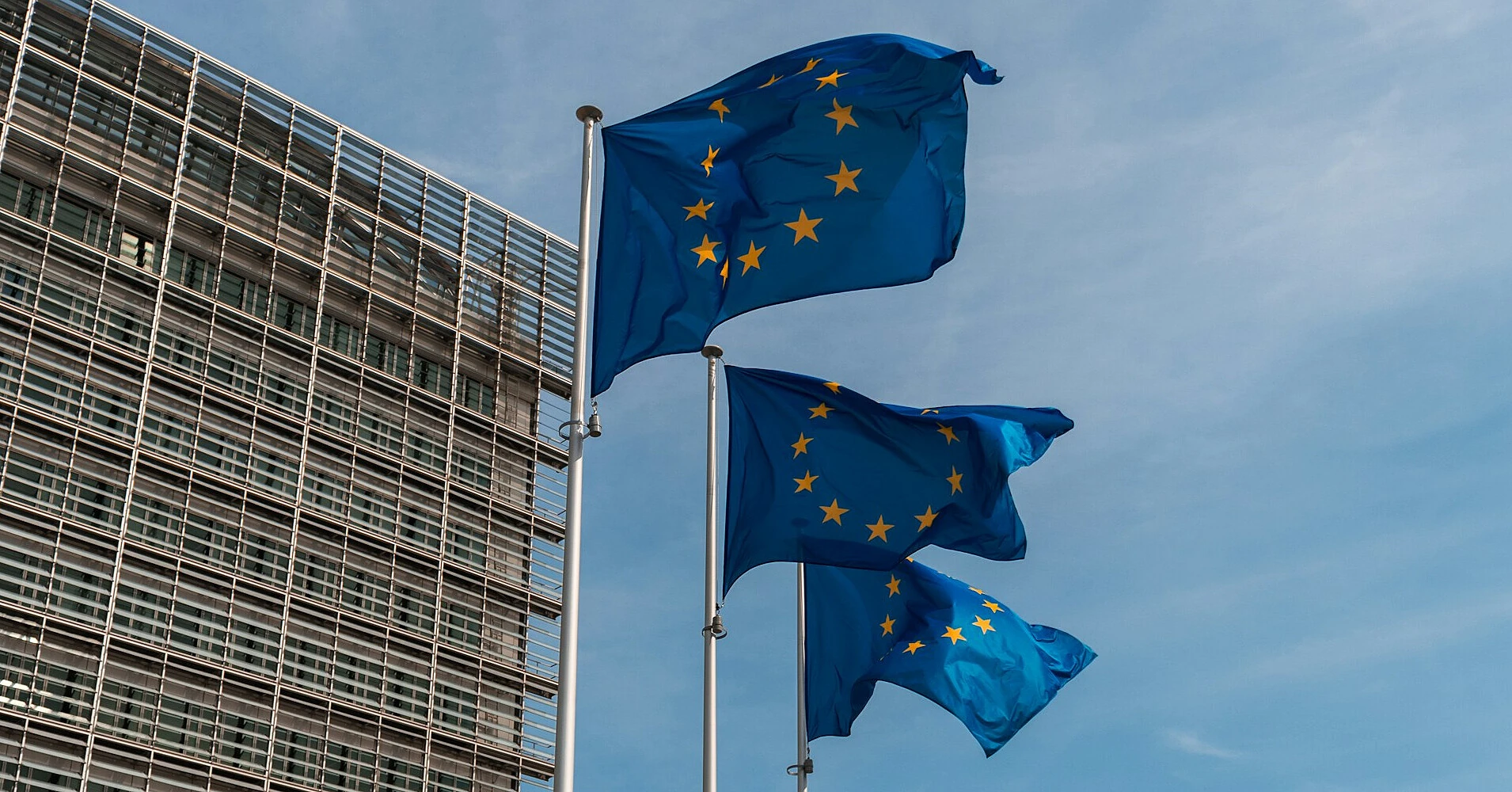
Sweden, the Netherlands, Spain and Poland are calling on the European Commission to resume work on using more than €200 billion of frozen assets of the Russian Central Bank to finance Ukraine. The initiative has returned to the agenda due to concerns that Kyiv may again face a shortage of funds.
This is reported by the Financial Times, citing four interlocutors familiar with the preparation of the relevant appeal.
The coalition of countries plans to appeal to the European Commission with a demand to resume technical work on the mechanism for using Russian assets and to report whether new legal and financial structures have been found that could overcome Belgium's objections.
The letter, according to FT, is to be sent to the European Commission on Thursday, August 27.
"The time has come to start a new discussion about how we can use the frozen Russian assets more broadly for the benefit of Ukraine and ourselves", - said Swedish Foreign Minister Maria Malmer Stenergard.
According to her, such an approach would allow Ukraine to continue its defense while reducing the financial burden on European states.
Previous plan blocked by Belgium
The EU has frozen over €200 billion of assets of the Russian Central Bank, most of which are held in the Belgian depository Euroclear.
Last year, EU countries discussed creating a so-called reparation loan for Ukraine secured by funds related to frozen Russian assets. However, the implementation of the mechanism was blocked by Belgium.
Brussels feared that in the event of successful lawsuits by Russia, Belgium might have to bear the main responsibility for returning the assets. The country's authorities also warned of possible risks to European financial markets.
According to FT interlocutors, Belgium's position has not fundamentally changed. One European official acknowledged that there is still no new mechanism that would completely eliminate the previous political and legal problems.
At the same time, supporters of the initiative believe that the European Commission should continue working on the legal structure, since a change in the political situation may allow it to be agreed later.
€90 billion for Ukraine may not be enough
The interest and other income generated by Russian assets in Euroclear are already being used to service a loan to Ukraine of up to €50 billion agreed in 2024. However, the sovereign assets of the Russian Federation themselves remain frozen.
After the failure of the reparation loan, the EU at the end of last year formed separate funding for Ukraine of €90 billion under guarantees from the EU budget.
However, in European capitals there are growing concerns that this amount will not be sufficient to cover Ukraine's future defense and budgetary needs.
"The €90 billion loan demonstrates the EU's commitment to supporting Ukraine, but it is clearly not enough", - said Stenergard.
According to one of FT's interlocutors, the countries also seek to avoid a situation where the main financial burden of supporting Ukraine falls on only one or a few states.
The discussion about Russian assets is resuming simultaneously with negotiations on the next seven-year budget of the European Union. European diplomats assume that additional funding for Ukraine will become part of these negotiations, which may increase pressure on EU countries with a demand to find alternative sources of funds.
Based on materials from: Financial Times
